![Western Blot: LC3B Antibody (1251A) [NBP2-46892] - Western Blot analysis shows lysates of HeLa human cervical epithelial carcinoma parental cell line and LC3B knockout HeLa cell line (KO) untreated (-) or treated (+) with 50 uM Chloroquine for 18 hours. PVDF (Polyvinylidene difluoride) membrane was probed with 2.0 ug/mL of Rabbit Anti-Human/Mouse/Rat LC3B Monoclonal Antibody (1251A) [Catalog # NBP2-46892] followed by HRP-conjugated Anti-Rabbit IgG Secondary Antibody (Catalog# HAF008). A specific band was detected for LC3B at a molecular weight of approximately 15 kDa (as indicated) in the parental HeLa cell line, but is not detectable in the knockout HeLa cell line. GAPDH is shown as a loading control. This experiment was conducted under reducing conditions.](http://images.novusbio.com/fullsize/LC3B-Antibody-1251A-Knockout-Validated-NBP2-46892-img0028.jpg "Western Blot: LC3B Antibody (1251A) [NBP2-46892] - Western Blot analysis shows lysates of HeLa human cervical epithelial carcinoma parental cell line and LC3B knockout HeLa cell line (KO) untreated (-) or treated (+) with 50 uM Chloroquine for 18 hours. PVDF (Polyvinylidene difluoride) membrane was probed with 2.0 ug/mL of Rabbit Anti-Human/Mouse/Rat LC3B Monoclonal Antibody (1251A) [Catalog # NBP2-46892] followed by HRP-conjugated Anti-Rabbit IgG Secondary Antibody (Catalog# HAF008). A specific band was detected for LC3B at a molecular weight of approximately 15 kDa (as indicated) in the parental HeLa cell line, but is not detectable in the knockout HeLa cell line. GAPDH is shown as a loading control. This experiment was conducted under reducing conditions.")
| Reactivity | Hu, Mu, Rt, Po, Bt, Bv, Fi, Xp, ZeSpecies Glossary |
| Applications | WB, Flow, ICC/IF, IHC, IP, KO |
| Clone | 1251A |
| Clonality | Monoclonal |
| Host | Rabbit |
| Conjugate | Unconjugated |
| Format | BSA Free |
| Concentration | 1.0 mg/ml |
| Additional Information | Recombinant Monoclonal Antibody |
| Immunogen | Recombinant monoclonal LC3B Antibody (1251A) was made to a synthetic peptide made to an N-terminal portion of the human LC3B protein sequence (between residues 1-100). [UniProt# Q9GZQ8]. |
| Localization | Type I form of LC3B is cytoplasmic, whereas the type II form of LC3B binds to the autophagic membranes. |
| Marker | Autophagosomes |
| Source | HEK293 |
| Predicted Species | Porcine (100%), Bovine (100%), Fish (100%), Zebrafish (100%), Xenopus (94%), Bat (100%). Backed by our 100% Guarantee. |
| Isotype | IgG |
| Clonality | Monoclonal |
| Host | Rabbit |
| Gene | MAP1LC3B |
| Purity | Protein G purified |
| Innovator's Reward | Test in a species/application not listed above to receive a full credit towards a future purchase. |
| Dilutions |
|
||||
| Application Notes | In WB this LC3B recombinant monoclonal antibody detects both LC3B I and LC3B II with chloroquine treatment. With ICC autophagosome staining was observed after treatment with chloroquine. |
||||
| Theoretical MW | 14.688 kDa. Disclaimer note: The observed molecular weight of the protein may vary from the listed predicted molecular weight due to post translational modifications, post translation cleavages, relative charges, and other experimental factors. |
||||
| Control |
|
||||
| Reviewed Applications |
|
||||
| Publications |
|
| Storage | Store at 4C short term. Aliquot and store at -20C long term. Avoid freeze-thaw cycles. |
| Buffer | PBS |
| Preservative | 0.02% Sodium Azide |
| Concentration | 1.0 mg/ml |
| Purity | Protein G purified |




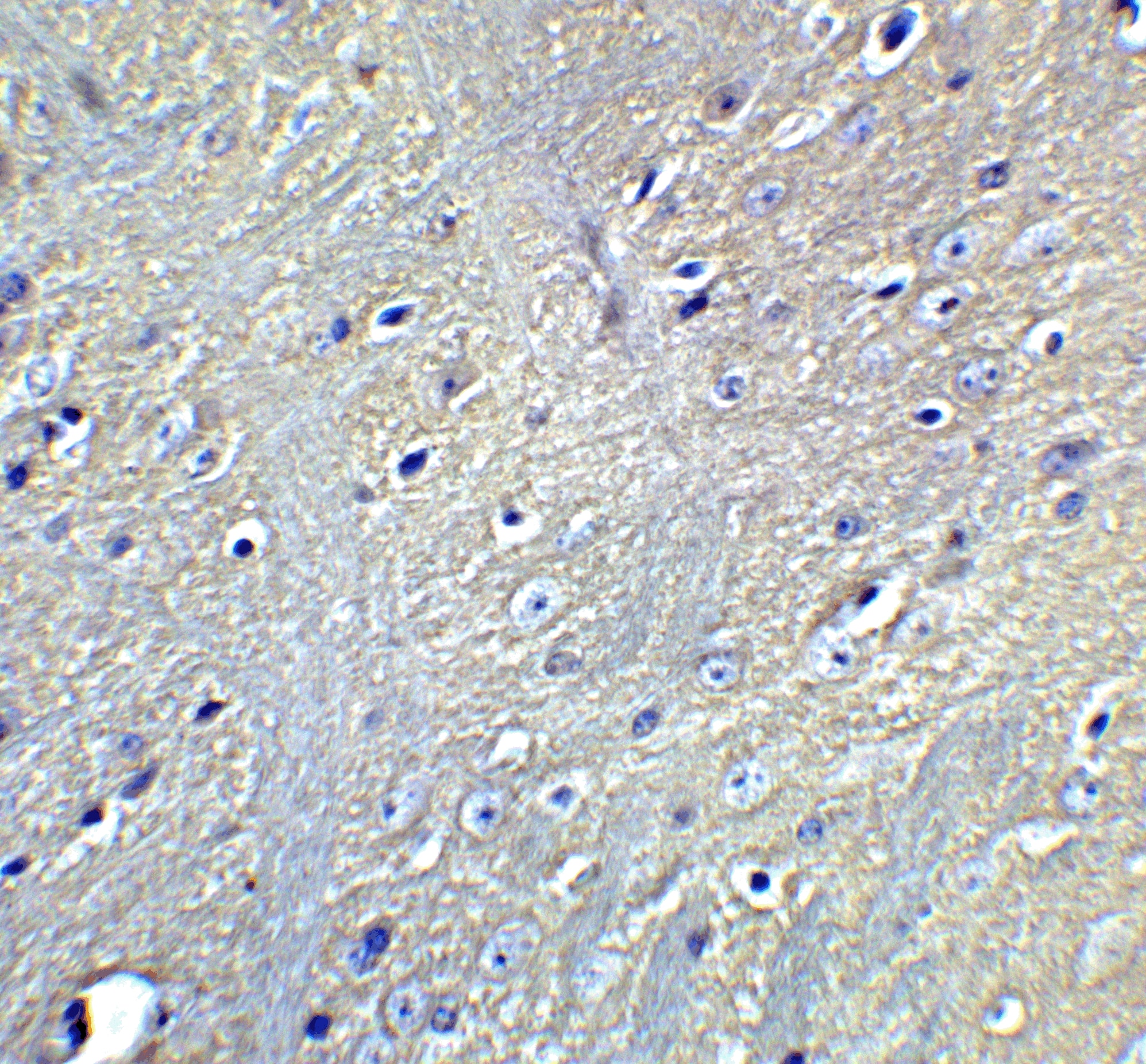
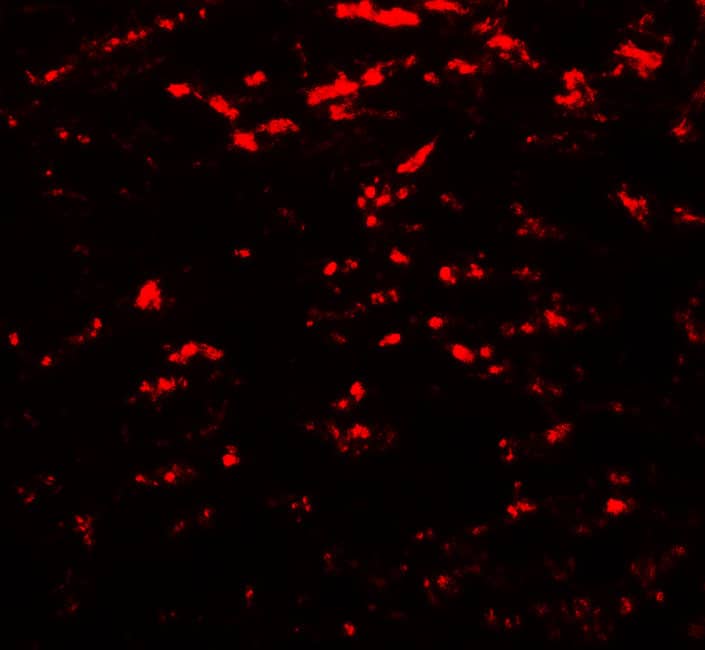
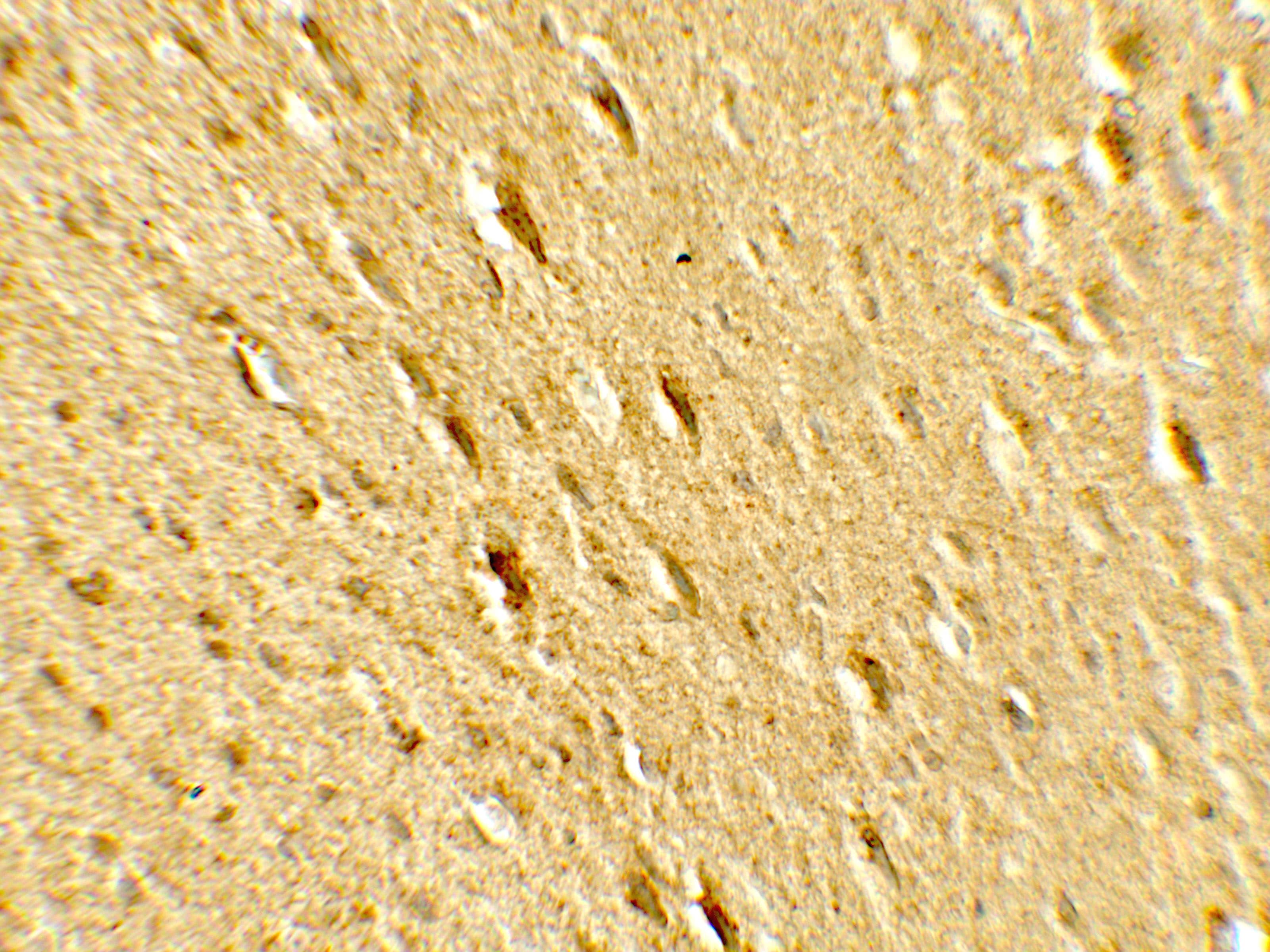


![Immunohistochemistry ATG7 Antibody (683906) [Unconjugated]](https://images.novusbio.com/images/antibody/ATG7_MAB6608_Immunohistochemistry_10631.jpg)
![Simple Western ATG7 Antibody (683906) [Unconjugated]](https://images.novusbio.com/images/antibody/ATG7_MAB6608_Simple_Western_16409.jpg)
![Intracellular Staining by Flow Cytometry AKT [p Ser473] Antibody [Unconjugated] - Pan Specific](https://images.novusbio.com/images/antibody/Akt3_AF887_Flow_Cytometry_8283.jpg)
![Western Blot AKT [p Ser473] Antibody [Unconjugated] - Pan Specific](https://images.novusbio.com/images/af887_phospho-akt-s473-pan-specific-affinity-purified-pab-41202410485440.jpg)
![Western Blot AKT [p Ser473] Antibody [Unconjugated] - Pan Specific](https://images.novusbio.com/images/af887_phospho-akt-s473-pan-specific-affinity-purified-pab-8120255552843.jpg)
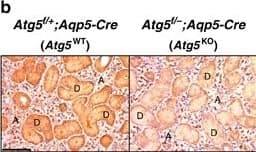


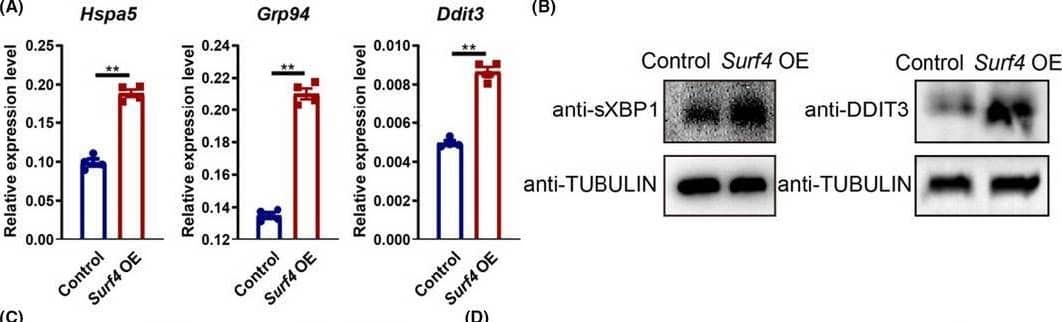


| Images | Ratings | Applications | Species | Date | Details | ||||||
|---|---|---|---|---|---|---|---|---|---|---|---|

Enlarge |
reviewed by:
Verified Customer |
WB | Rat | 07/29/2017 |
Summary
|
||||||

Enlarge |
reviewed by:
Verified Customer |
WB | Mouse | 09/28/2016 |
Summary
|
||||||

Enlarge |
reviewed by:
Verified Customer |
WB | Human | 09/28/2016 |
Summary
|
| Neuro2a Chloroquine Treated / Untreated Cell Lysate | |
| HeLa Chloroquine Treated / Untreated Cell Lysate |
Secondary Antibodies |
Isotype Controls |
Research Areas for LC3B Antibody (NBP2-46892)Find related products by research area.
|
|
Autophagy and RAS signaling: Clinical implications By Christina Towers, PhD The cellular recycling process known as autophagy is currently being targeted in over 60 clinical trials focused on treating different types of cancer1. To date, the only autophagy-targeted ... Read full blog post. |
|
Methamphetamine with HIV induces mitochondrial dysfunction and neuronal injury through oxidative stress By Jamshed Arslan, Pharm. D., PhD. December 1 is the World AIDS Day. Despite the combination antiretroviral therapy, 10-25% of Human Immunodeficiency Virus (HIV)-positive individuals report neurocognitive impairm... Read full blog post. |
|
Autophagy and Metastasis By Christina Towers, PhD The majority of cancer patients die from metastatic disease at secondary sites. The threshold to undergo metastasis is high. Only a minority of cancer cells acquire invasive phenotypes... Read full blog post. |
|
Optogenetic Control of Mitophagy: AMBRA1 based mitophagy switch By Christina Towers, PhD Mitophagy in the BrainSelective autophagic degradation of damaged mitochondria, known as mitophagy, has been described as a cyto-protective process. Accordingly, defects in mitophagy h... Read full blog post. |
|
Read full blog post. |
|
Read full blog post. |
|
Read full blog post. |
|
How to visualize autophagy by microscopy By Christina Towers, PhD Autophagy is a recycling process that relies on the formation of a unique organelle termed an autophagosome. An elegant way to monitor autophagy is through various microscopy techniques to... Read full blog post. |
|
Read full blog post. |
|
Read full blog post. |
The concentration calculator allows you to quickly calculate the volume, mass or concentration of your vial. Simply enter your mass, volume, or concentration values for your reagent and the calculator will determine the rest.
5 | |
4 | |
3 | |
2 | |
1 |
| Verified Customer 07/29/2017 |
||
| Application: | WB | |
| Species: | Rat |
| Verified Customer 09/28/2016 |
||
| Application: | WB | |
| Species: | Mouse |
| Verified Customer 09/28/2016 |
||
| Application: | WB | |
| Species: | Human |


![Immunocytochemistry/ Immunofluorescence: LC3B Antibody (1251A) [NBP2-46892] - LC3B was detected in immersion fixed Chloroquine treated Hela cells (left) but was not detected in LC3B knockout Hela cells (right) using rabbit anti-human LC3B monoclonal antibody (1251A) [Catalog #NBP2-46892] at 0.3 ug/mL for 3 hours at room temperature. Cells were stained using the NorthernLights™ 557-conjugated Anti-Rabbit IgG Secondary Antibody (red; Catalog # NL004) and counterstained with DAPI (blue). Specific staining was localized to cytoplasm.](http://images.novusbio.com/fullsize/LC3B-Antibody-1251A-Knockout-Validated-NBP2-46892-img0036.jpg "Immunocytochemistry/ Immunofluorescence: LC3B Antibody (1251A) [NBP2-46892] - LC3B was detected in immersion fixed Chloroquine treated Hela cells (left) but was not detected in LC3B knockout Hela cells (right) using rabbit anti-human LC3B monoclonal antibody (1251A) [Catalog #NBP2-46892] at 0.3 ug/mL for 3 hours at room temperature. Cells were stained using the NorthernLights™ 557-conjugated Anti-Rabbit IgG Secondary Antibody (red; Catalog # NL004) and counterstained with DAPI (blue). Specific staining was localized to cytoplasm.")
![Western Blot: LC3B Antibody (1251A) [NBP2-46892] - The expression of LC3B in rat tissue. This image was submitted via customer Review.](http://images.novusbio.com/fullsize/LC3B-Antibody-1251A-Western-Blot-NBP2-46892-img0034.jpg "Western Blot: LC3B Antibody (1251A) [NBP2-46892] - The expression of LC3B in rat tissue. This image was submitted via customer Review.")
![Flow (Intracellular): LC3B Antibody (1251A) [NBP2-46892] - Jurkat cells were either untreated (A) or treated with 50uM chloroquine for 24 hours (B). An intracellular stain was performed with anti-LC3B (1251A) antibody [Catalog # NBP2-46892] (blue) and a matched isotype control [Catalog # MAB1050] (orange). Cells were fixed with 4% paraformaldehyde, following fixation, cells were permeabilized with 0.1% saponin. Cells were incubated in an antibody dilution of 1 ug/mL for 30 minutes at room temperature, followed by rabbit IgG APC-conjugated secondary antibody (F0111, R&D Systems).](http://images.novusbio.com/fullsize/LC3B-Antibody-1251A-Flow-Intracellular-NBP2-46892-img0026.jpg "Flow (Intracellular): LC3B Antibody (1251A) [NBP2-46892] - Jurkat cells were either untreated (A) or treated with 50uM chloroquine for 24 hours (B). An intracellular stain was performed with anti-LC3B (1251A) antibody [Catalog # NBP2-46892] (blue) and a matched isotype control [Catalog # MAB1050] (orange). Cells were fixed with 4% paraformaldehyde, following fixation, cells were permeabilized with 0.1% saponin. Cells were incubated in an antibody dilution of 1 ug/mL for 30 minutes at room temperature, followed by rabbit IgG APC-conjugated secondary antibody (F0111, R&D Systems).")

![Immunocytochemistry/Immunofluorescence: LC3B Antibody (1251A) [NBP2-46892] - HeLa cells were treated with Chloroquine for 24 hours prior to fixation, permeabilization and incubation with anti- [Catalog # NBP2-46892] and anti tubulin (NB100-690) antibodies. Image enlargement shows the accumulation of LC3 (green) on autophagosomes in response to Chloroquine treatment. Tubulin staining is shown in red and DNA is counterstained with DAPI (blue).](http://images.novusbio.com/fullsize/LC3B-Antibody-1251A-Immunocytochemistry-Immunofluorescence-NBP2-46892-img0032.jpg "Immunocytochemistry/Immunofluorescence: LC3B Antibody (1251A) [NBP2-46892] - HeLa cells were treated with Chloroquine for 24 hours prior to fixation, permeabilization and incubation with anti- [Catalog # NBP2-46892] and anti tubulin (NB100-690) antibodies. Image enlargement shows the accumulation of LC3 (green) on autophagosomes in response to Chloroquine treatment. Tubulin staining is shown in red and DNA is counterstained with DAPI (blue).")
![Immunohistochemistry-Paraffin: LC3B Antibody (1251A) [NBP2-46892] - IHC (Immunohistochemical) analysis of a formalin fixed and paraffin embedded tissue section of normal mouse brain using rabbit monoclonal LC3B (1251A) antibody [Catalog # NBP2-46892] at 1:100 dilution with HRP-DAB detection. The antibody generated a weak diffused cytoplasmic staining in most of the cells but some cells, especially within empty areas on the section, showed punctate signal also which signifies the presence of autophagy in those areas.](http://images.novusbio.com/fullsize/LC3B-Antibody-1251A-Immunohistochemistry-Paraffin-NBP2-46892-img0033.jpg "Immunohistochemistry-Paraffin: LC3B Antibody (1251A) [NBP2-46892] - IHC (Immunohistochemical) analysis of a formalin fixed and paraffin embedded tissue section of normal mouse brain using rabbit monoclonal LC3B (1251A) antibody [Catalog # NBP2-46892] at 1:100 dilution with HRP-DAB detection. The antibody generated a weak diffused cytoplasmic staining in most of the cells but some cells, especially within empty areas on the section, showed punctate signal also which signifies the presence of autophagy in those areas.")
![Flow Cytometry: LC3B Antibody (1251A) [NBP2-46892] - HeLa cells untreated or treated with 50 uM chloroquine for 24h. Image from the Alexa Fluor 405 version of this antibody.](http://images.novusbio.com/fullsize/LC3B-Antibody-1251A-Flow-Cytometry-NBP2-46892-img0037.jpg "Flow Cytometry: LC3B Antibody (1251A) [NBP2-46892] - HeLa cells untreated or treated with 50 uM chloroquine for 24h. Image from the Alexa Fluor 405 version of this antibody.")
![Western Blot: LC3B Antibody (1251A) [NBP2-46892] - Analysis shows lysates of HeLa human cervical epithelial carcinoma cell line untreated (-) or treated (+) with Chloroquine. PVDF membrane was probed with 0.2 ug/mL rabbit anti-LC3B monoclonal Antibody (1251A) (Catalog # NBP2-46892, Novus Biologicals), followed by 1:2000 dilution of goat anti-rabbit IgG secondary antibody. A specific band was detected for LC3B at a molecular weight of approximately 15 kDa in CQ treated NIH-3T3 and PC12 cell lines.](http://images.novusbio.com/fullsize/LC3B-Antibody-1251A-Western-Blot-NBP2-46892-img0009.jpg "Western Blot: LC3B Antibody (1251A) [NBP2-46892] - Analysis shows lysates of HeLa human cervical epithelial carcinoma cell line untreated (-) or treated (+) with Chloroquine. PVDF membrane was probed with 0.2 ug/mL rabbit anti-LC3B monoclonal Antibody (1251A) (Catalog # NBP2-46892, Novus Biologicals), followed by 1:2000 dilution of goat anti-rabbit IgG secondary antibody. A specific band was detected for LC3B at a molecular weight of approximately 15 kDa in CQ treated NIH-3T3 and PC12 cell lines.")
![Western Blot: LC3B Antibody (1251A) [NBP2-46892] - Western Blot analysis using HeLa cells treated with (+) or without (-) Chloriquine (CQ). A specific band was detected for LC3B at a molecular weight of approximately 15 kDa.](http://images.novusbio.com/fullsize/LC3B-Antibody-1251A-Western-Blot-NBP2-46892-img0010.jpg "Western Blot: LC3B Antibody (1251A) [NBP2-46892] - Western Blot analysis using HeLa cells treated with (+) or without (-) Chloriquine (CQ). A specific band was detected for LC3B at a molecular weight of approximately 15 kDa.")
![Western Blot: LC3B Antibody (1251A) [NBP2-46892] - Western Blot image of monoclonal anti-LC3B Antibody (Clone 1251D) [Catalog # NBP2-46892]. HeLa and Neuro2A cells were treated with or without 50 uM chloroquine for 24 hours as indicated. Whole cell protein was then separated on a 4-15% gel by SDS-PAGE, transferred to 0.2 um PVDF membrane for 30 min and blocked in 5% non-fat milk in TBST (Tris-buffered saline, 0.1% Tween 20). The membrane was probed with 2 ug/ml anti-LC3B Antibody in 1% milk, and detected with an anti-rabbit HRP secondary antibody using chemiluminescence. Note the accumulation of LC3B II upon chloroquine treatment. Bands for LC3 were detected at a molecular weight of approximately 15 kDa in treated HeLA cells, and both treated and untreated Neuro2A cells.](http://images.novusbio.com/fullsize/LC3B-Antibody-1251A-Western-Blot-NBP2-46892-img0006.jpg "Western Blot: LC3B Antibody (1251A) [NBP2-46892] - Western Blot image of monoclonal anti-LC3B Antibody (Clone 1251D) [Catalog # NBP2-46892]. HeLa and Neuro2A cells were treated with or without 50 uM chloroquine for 24 hours as indicated. Whole cell protein was then separated on a 4-15% gel by SDS-PAGE, transferred to 0.2 um PVDF membrane for 30 min and blocked in 5% non-fat milk in TBST (Tris-buffered saline, 0.1% Tween 20). The membrane was probed with 2 ug/ml anti-LC3B Antibody in 1% milk, and detected with an anti-rabbit HRP secondary antibody using chemiluminescence. Note the accumulation of LC3B II upon chloroquine treatment. Bands for LC3 were detected at a molecular weight of approximately 15 kDa in treated HeLA cells, and both treated and untreated Neuro2A cells.")
![Immunocytochemistry/Immunofluorescence: LC3B Antibody (1251A) [NBP2-46892] - HeLa cells were treated with 50 uM Chloroquine for 24 hour prior to fixation in 10% buffered formalin for 10 min. Cells were permeabilized in 0.1% Triton X-100 and incubated with 20 ug/ml anti- [Catalog # NBP2-46892] and 1:500 anti-tubulin [Catalog # NB100-690] for 1 h at room temperature. LC3B reactivity (green) was detected with ant-rabbit Dylight 488 and tubulin (red) with anti-mouse Dylight 550. Nuclei were counterstained with DAPI (blue).](http://images.novusbio.com/fullsize/LC3B-Antibody-1251A-Immunocytochemistry-Immunofluorescence-NBP2-46892-img0030.jpg "Immunocytochemistry/Immunofluorescence: LC3B Antibody (1251A) [NBP2-46892] - HeLa cells were treated with 50 uM Chloroquine for 24 hour prior to fixation in 10% buffered formalin for 10 min. Cells were permeabilized in 0.1% Triton X-100 and incubated with 20 ug/ml anti- [Catalog # NBP2-46892] and 1:500 anti-tubulin [Catalog # NB100-690] for 1 h at room temperature. LC3B reactivity (green) was detected with ant-rabbit Dylight 488 and tubulin (red) with anti-mouse Dylight 550. Nuclei were counterstained with DAPI (blue).")
![Flow (Intracellular): LC3B Antibody (1251A) [NBP2-46892] - HeLa human cervical epithelial carcimoa cell line either treated with 50 uM chloroquine for 24 hours (filled histogram) or untreated (open histogram) was stained with Rabbit anti-Human LC3B Alexa Fluor 647 conjugated monoclonal antiobdy (1251A) [Catalog # NBP2-46892AF647]. To facilitate intracellular staining, cells were fixed and permeabilized with FlowX FoxP3 Fixation and Permeabilization Buffer Kit (FC012-NOV).](http://images.novusbio.com/fullsize/LC3B-Antibody-1251A-Flow-Intracellular-NBP2-46892-img0025.jpg "Flow (Intracellular): LC3B Antibody (1251A) [NBP2-46892] - HeLa human cervical epithelial carcimoa cell line either treated with 50 uM chloroquine for 24 hours (filled histogram) or untreated (open histogram) was stained with Rabbit anti-Human LC3B Alexa Fluor 647 conjugated monoclonal antiobdy (1251A) [Catalog # NBP2-46892AF647]. To facilitate intracellular staining, cells were fixed and permeabilized with FlowX FoxP3 Fixation and Permeabilization Buffer Kit (FC012-NOV).")
![Immunoprecipitation: LC3B Antibody (1251A) [NBP2-46892] - Western blot analysis of LC3 immunoprecipitation. 10 ug of monoclonal anti-LC3B antibody (clone 1251A) [Catalog # NBP2-46892] was used to immunoprecipitate LC3 from 200 ug of total protein from HeLa cells treated with or without 50 uM chloroquine for 24 h. Antibody-protein was captured by magnetic protein A/G beads, washed and subjected to SDS-PAGE on a 4-15% gel. Protein was transferred to 0.2 um PVDF membrane and probed with 2 ug/ml anti-LC3B (NB100-2220) and detected with an anti-rabbit HRP conjugated secondary antibody using chemiluminescence. The detection of LC3 at a molecular weight of approximately 12 kDa and the antibody heavy chain (Ab Hc) at a molecular weight of approximately 50 kDa is indicated.](http://images.novusbio.com/fullsize/LC3B-Antibody-1251A-Immunoprecipitation-NBP2-46892-img0031.jpg "Immunoprecipitation: LC3B Antibody (1251A) [NBP2-46892] - Western blot analysis of LC3 immunoprecipitation. 10 ug of monoclonal anti-LC3B antibody (clone 1251A) [Catalog # NBP2-46892] was used to immunoprecipitate LC3 from 200 ug of total protein from HeLa cells treated with or without 50 uM chloroquine for 24 h. Antibody-protein was captured by magnetic protein A/G beads, washed and subjected to SDS-PAGE on a 4-15% gel. Protein was transferred to 0.2 um PVDF membrane and probed with 2 ug/ml anti-LC3B (NB100-2220) and detected with an anti-rabbit HRP conjugated secondary antibody using chemiluminescence. The detection of LC3 at a molecular weight of approximately 12 kDa and the antibody heavy chain (Ab Hc) at a molecular weight of approximately 50 kDa is indicated.")
![Western Blot: LC3B Antibody (1251A) - BSA Free [NBP2-46892] - Effects of PDTC on LC3 (a), Beclin1 (b), LAMP-1 (c), & Rab7 (d) on the hippocampus of rats harvested 12 h after CLP. Values of protein data are normalized to actin level & given in relative arbitrary units. LC3-II increased while Beclin1, Rab7, & LAMP-1 declined in CLP rats receiving vehicle or PDTC compared with those in sham-operated rats. PDTC + CLP rats showed an increase in LC3-II, Beclin1, Rab7, & LAMP-1 compared with vehicle-treated rats. Data were expressed as mean ± SEM, n = 6/group. *P < 0.05 vs sham-operated group. #P < 0.05 vs 12 h or Veh + CLP group. PDTC pyrrolidine dithiocarbamate, LC-3 microtubule-associated protein light chain-3, CLP cecal ligation & puncture Image collected & cropped by CiteAb from the following publication (//jneuroinflammation.biomedcentral.com/articles/10.1186/s12974-015-0336-2), licensed under a CC-BY license. Not internally tested by Novus Biologicals.](http://images.novusbio.com/fullsize/nbp2-46892_rabbit-monoclonal-lc3b-antibody-1251a-310202415291956.jpg "Western Blot: LC3B Antibody (1251A) - BSA Free [NBP2-46892] - Effects of PDTC on LC3 (a), Beclin1 (b), LAMP-1 (c), & Rab7 (d) on the hippocampus of rats harvested 12 h after CLP. Values of protein data are normalized to actin level & given in relative arbitrary units. LC3-II increased while Beclin1, Rab7, & LAMP-1 declined in CLP rats receiving vehicle or PDTC compared with those in sham-operated rats. PDTC + CLP rats showed an increase in LC3-II, Beclin1, Rab7, & LAMP-1 compared with vehicle-treated rats. Data were expressed as mean ± SEM, n = 6/group. *P < 0.05 vs sham-operated group. #P < 0.05 vs 12 h or Veh + CLP group. PDTC pyrrolidine dithiocarbamate, LC-3 microtubule-associated protein light chain-3, CLP cecal ligation & puncture Image collected & cropped by CiteAb from the following publication (//jneuroinflammation.biomedcentral.com/articles/10.1186/s12974-015-0336-2), licensed under a CC-BY license. Not internally tested by Novus Biologicals.")
![Western Blot: LC3B Antibody (1251A) - BSA Free [NBP2-46892] - a LC3 in brains harvested 3, 6, 12, 24, & 48 h after CLP. b Immunofluorescence for LC3 in neurons after CLP injury. Values of protein data were related to signals obtained from actin protein & given as relative arbitrary units. LC3-II significantly increased in CLP rats at 6, 12, 24, & 48 h after surgery compared with sham-operated rats. Three-color staining for anti-LC3 antibody (green), NeuN (red), & DAPI (blue) showed that a staining pattern changes from largely diffuse to predominantly punctate & cytoplasmic in hippocampal neurons after CLP. Data were expressed as mean ± SEM, n = 6/group. *P < 0.05 vs sham-operated group. LC-3 microtubule-associated protein light chain-3, CLP cecal ligation & puncture, DAPI 4,6-diamidino-2-phenylindole Image collected & cropped by CiteAb from the following publication (//jneuroinflammation.biomedcentral.com/articles/10.1186/s12974-015-0336-2), licensed under a CC-BY license. Not internally tested by Novus Biologicals.](http://images.novusbio.com/fullsize/nbp2-46892_rabbit-monoclonal-lc3b-antibody-1251a-31020241612245.jpg "Western Blot: LC3B Antibody (1251A) - BSA Free [NBP2-46892] - a LC3 in brains harvested 3, 6, 12, 24, & 48 h after CLP. b Immunofluorescence for LC3 in neurons after CLP injury. Values of protein data were related to signals obtained from actin protein & given as relative arbitrary units. LC3-II significantly increased in CLP rats at 6, 12, 24, & 48 h after surgery compared with sham-operated rats. Three-color staining for anti-LC3 antibody (green), NeuN (red), & DAPI (blue) showed that a staining pattern changes from largely diffuse to predominantly punctate & cytoplasmic in hippocampal neurons after CLP. Data were expressed as mean ± SEM, n = 6/group. *P < 0.05 vs sham-operated group. LC-3 microtubule-associated protein light chain-3, CLP cecal ligation & puncture, DAPI 4,6-diamidino-2-phenylindole Image collected & cropped by CiteAb from the following publication (//jneuroinflammation.biomedcentral.com/articles/10.1186/s12974-015-0336-2), licensed under a CC-BY license. Not internally tested by Novus Biologicals.")


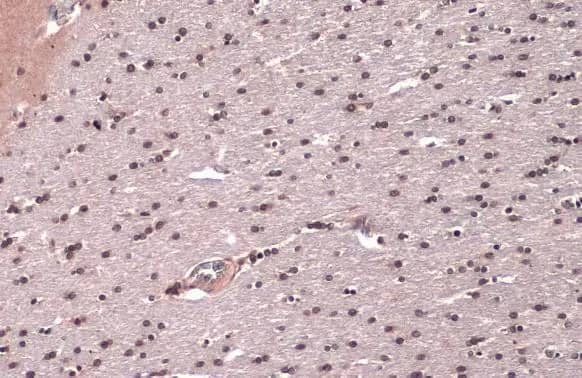


![Immunohistochemistry TOR/mTOR [p Ser2448] Antibody - BSA Free](https://images.novusbio.com/images/nb600-607_rabbit-polyclonal-tor-mtor-p-ser2448-antibody-235202318143142.jpg)
![Western Blot TOR/mTOR [p Ser2448] Antibody - BSA Free](https://images.novusbio.com/images/nb600-607_rabbit-polyclonal-tor-mtor-p-ser2448-antibody-31020241535647.jpg)
![Data TOR/mTOR [p Ser2448] Antibody - BSA Free](https://images.novusbio.com/images/TOR-mTOR-[p-Ser2448]-Antibody-N-A-NB600-607-img0008.jpg)
![Immunohistochemistry Caspase-3 Antibody [Unconjugated] - Active](https://images.novusbio.com/images/af835_human-mouse-active-caspase-3-affinity-purified-pab-41202410331943.jpg)
![Western Blot Caspase-3 Antibody [Unconjugated] - Active](https://images.novusbio.com/images/af835_human-mouse-active-caspase-3-affinity-purified-pab-812025554170.jpg)
![Western Blot Caspase-3 Antibody [Unconjugated] - Active](https://images.novusbio.com/images/af835_human-mouse-active-caspase-3-affinity-purified-pab-8120255534731.jpg)


![Western Blot: Goat anti-Rabbit IgG (H+L) Secondary Antibody [HRP] [NB7160] - Western blot showing vemurafenib treatment in BRAFV600E CRC cells inhibits fission mediator DRP1 with no significant effect on fusion proteins (Mfn1 & 2) using MFN-1 antibody (NBP1-51841) and corresponding secondary antibody, goat anti-rabbit IgG-HRP (NB7160). Image collected and cropped by CiteAb from the following publication (https://pubmed.ncbi.nlm.nih.gov/33738242).](https://images.novusbio.com/images/Goat-anti-Rabbit-IgG-H+L-Secondary-Antibody-HRP-Western-Blot-NB7160-img0001.jpg "Western Blot: Goat anti-Rabbit IgG (H+L) Secondary Antibody [HRP] [NB7160] - Western blot showing vemurafenib treatment in BRAFV600E CRC cells inhibits fission mediator DRP1 with no significant effect on fusion proteins (Mfn1 & 2) using MFN-1 antibody (NBP1-51841) and corresponding secondary antibody, goat anti-rabbit IgG-HRP (NB7160). Image collected and cropped by CiteAb from the following publication (https://pubmed.ncbi.nlm.nih.gov/33738242).")
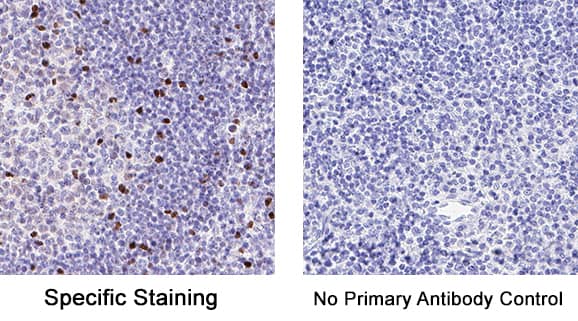
![Flow Cytometry: Rabbit IgG Isotype Control [NBP2-24891] - An intracellular stain was performed on Raji cells with Adiponectin antibody NB100-65810 (blue) and a matched isotype control NBP2-24893 (orange). Cells were fixed with 4% PFA and then permeablized with 0.1% saponin. Cells were incubated in an antibody dilution of 1 ug/mL for 30 minutes at room temperature, followed by Dylight488-conjugated anti-rabbit secondary antibody. Image using the Azide Free form of this antibody.](https://images.novusbio.com/images/Rabbit--Mouse-IgG-Isotype-Control-Flow-Cytometry-NBP2-24891-img0006.jpg "Flow Cytometry: Rabbit IgG Isotype Control [NBP2-24891] - An intracellular stain was performed on Raji cells with Adiponectin antibody NB100-65810 (blue) and a matched isotype control NBP2-24893 (orange). Cells were fixed with 4% PFA and then permeablized with 0.1% saponin. Cells were incubated in an antibody dilution of 1 ug/mL for 30 minutes at room temperature, followed by Dylight488-conjugated anti-rabbit secondary antibody. Image using the Azide Free form of this antibody.")


