| Dilutions |
|
| Application Notes | You will receive 1 vial (100ug) of knockout cell lysate and 1 vial (100ug) of Parental cell lysate. Lysate can be diluted with 1X SDS sample buffer and will be stable at -20 degrees C for 12 months. Minimize freeze-thaw cycles. |
| Storage | Store at -20C short term. Aliquot and store at -80C long term. Avoid freeze-thaw cycles. |
| Buffer | 0.1 mg cell homogenate lyophilized in RIPA buffer made with double-knockout cell lines. |
| Concentration | LYOPH |
| Reconstitution Instructions | To use as WB negative control, spin down briefly and resuspend in 100 uL 1xSDS sample buffer (2% SDS, 60 mM Tris-HCl pH 6.8, 10% Glycerol, 0.02% Bromophenol blue, 60 mM beta-mercaptoethanol). Boil the lysate for 3 - 5 minutes before loading it onto gel. |
![Neutralization B7-1/CD80 Antibody (37711) [Unconjugated]](https://images.novusbio.com/images/antibody/B7-1_MAB140_Block_Neutralize_9024.jpg)
![Flow Cytometry B7-1/CD80 Antibody (37711) [Unconjugated]](https://images.novusbio.com/images/antibody/B71_MAB140_Flow_Cytometry_16025.jpg)
![Immunohistochemistry B7-1/CD80 Antibody (37711) [Unconjugated]](https://images.novusbio.com/images/mab140_human-b7-1-cd80-mab-clone-37711-4120241048542.jpg)




Research Areas for CTLA-4 Lysate (NBP2-77099)Find related products by research area.
|
|
Unlocking the Potential of Biosimilars in Immuno-Oncology By Jennifer Jones, M.S.Biosimilar Antibodies: Imitation Meets InnovationIn the ever-evolving medical landscape, a new class of pharmaceuticals is emerging as a game-changer, poised to transform the way we approach... Read full blog post. |
|
Thomson Reuters Predicts 2016 Nobel Prize Winners Here at Bio-Techne we always look forward to the annual announcements of winners of the highly coveted Nobel Prize – the greatest award in science. How can you go about predicting which scientists might be in line for a life-changing phone-call fro... Read full blog post. |
|
CD86 - I work in tandem with CD80 CD86 belongs to the immunoglobulin superfamily of proteins that drive innate and adaptive immune responses. It is an 80kD co-stimulatory molecule for the priming and activation of naive and memory T-cells, respectively. CD86 is expressed on activated ... Read full blog post. |
The concentration calculator allows you to quickly calculate the volume, mass or concentration of your vial. Simply enter your mass, volume, or concentration values for your reagent and the calculator will determine the rest.
| Gene Symbol | CTLA4 |


![SDS-Page TNF-alpha [Unconjugated]](https://images.novusbio.com/images/protein/TNF-alpha_210-TA_256.jpg)
![Bioactivity TNF-alpha [Unconjugated]](https://images.novusbio.com/images/protein/TNFalpha_210TA_1658.jpg)
![SEC-MALS TNF-alpha [Unconjugated]](https://images.novusbio.com/images/210-ta_recombinant-human-tnf-alpha-protein-sec-mals-35202312244..jpg)
![Bioactivity IL-2 [Unconjugated]](https://images.novusbio.com/images/202-il_recombinant-human-il-2-protein-bioactivity-174202314946.jpg)
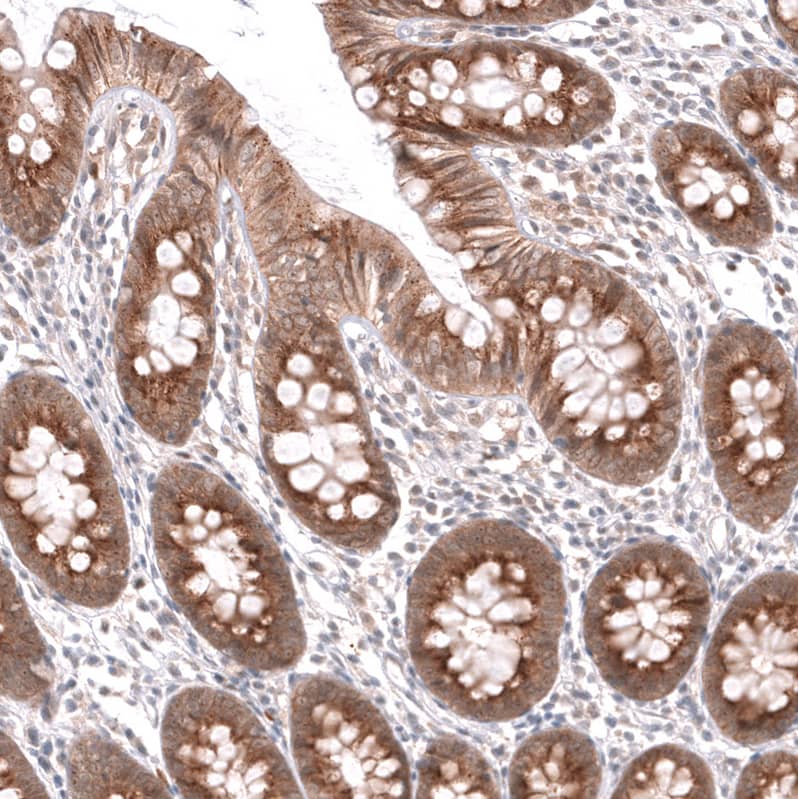
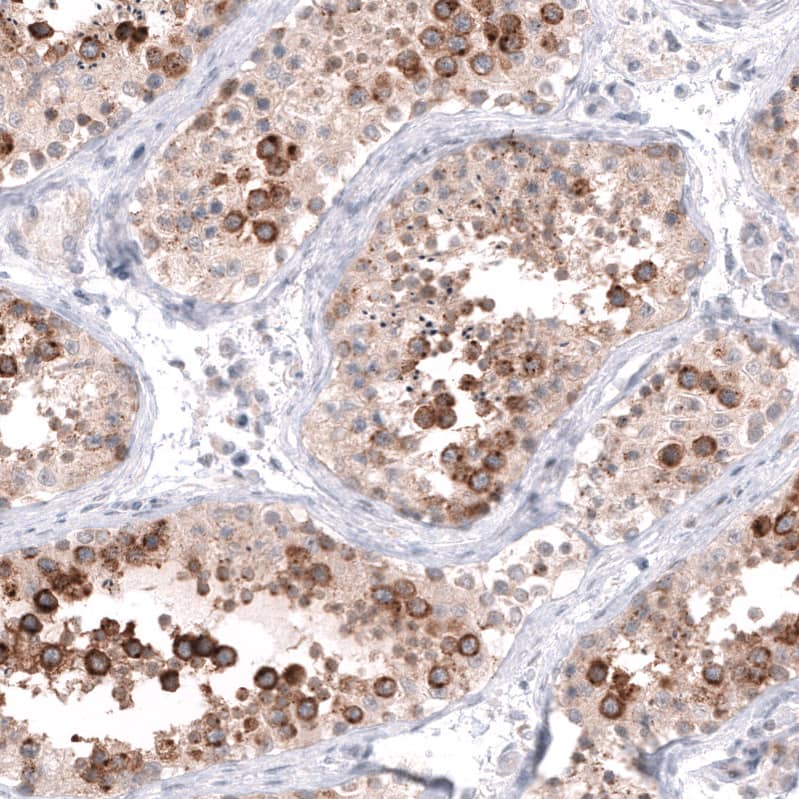
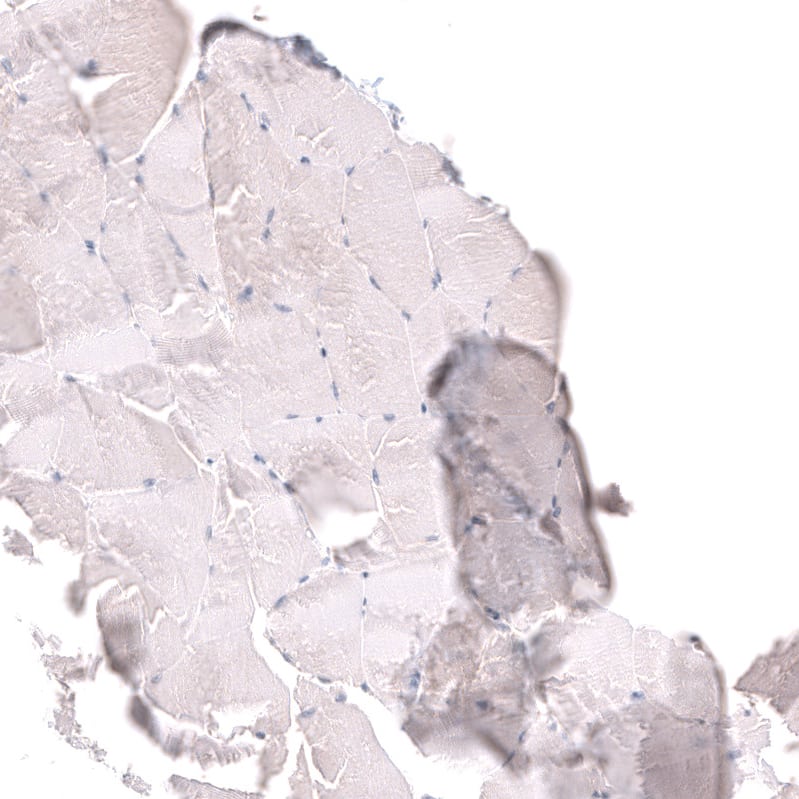


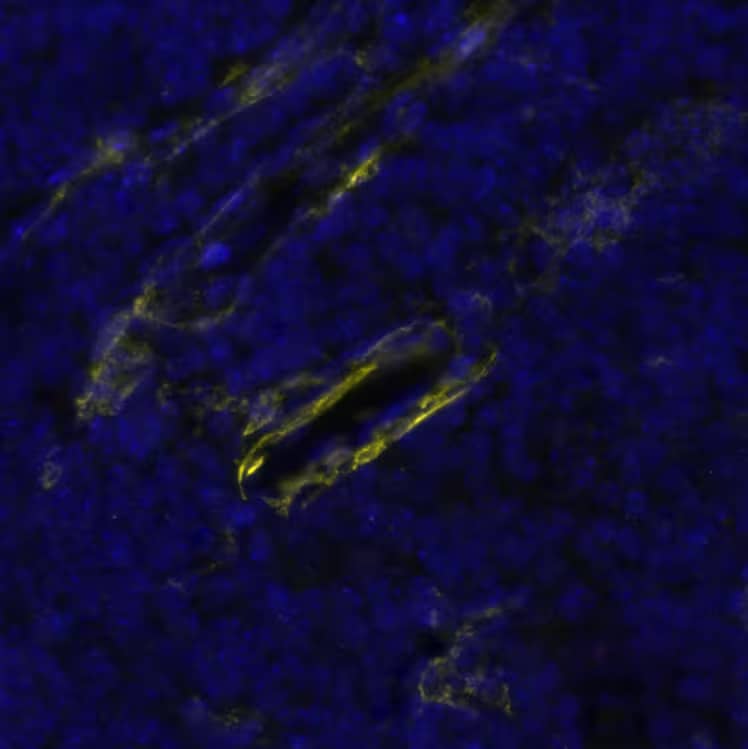
![Agonist Activity CD28 Antibody (37407) [Unconjugated]](https://images.novusbio.com/images/antibody/CD28_MAB342_Functional_Assay_2393.jpg)
![Immunocytochemistry CD28 Antibody (37407) [Unconjugated]](https://images.novusbio.com/images/mab342_human-cd28-mab-clone-37407-immunocytochemistry-31102022134634.jpg)
![N/A IL-6 [HRP]](https://images.novusbio.com/images/elisa/DATA_IL6_M6000_ELISA_936.jpg)
![N/A IL-6 [HRP]](https://images.novusbio.com/images/elisa/IL-6_M6000_ELISA_415.jpg)
![N/A IL-6 [HRP]](https://images.novusbio.com/images/m6000b_mouse-il-6-quantikine-elisa-kit-1752025024034.jpg)
![Bioactivity IL-4 [Unconjugated]](https://images.novusbio.com/images/protein/6507-ilcf_recombinant-human-il-4-cho-expressed-protein-cf-bioactivity-272020133214.jpg)
![Immunocytochemistry CD55/DAF Antibody [Unconjugated]](https://images.novusbio.com/images/antibody/CD55_AF2009_Immunocytochemistry__Immunofluorescence_23052.jpg)
![Immunohistochemistry CD55/DAF Antibody [Unconjugated]](https://images.novusbio.com/images/antibody/CD55_AF2009_Immunohistochemistry_6728.jpg)
![N/A IL-10 [Biotin]](https://images.novusbio.com/images/elisa/DATA_IL10_DY417_ELISA_2014.jpg)
![Immunohistochemistry CD45 Antibody [Unconjugated]](https://images.novusbio.com/images/antibody/CD45_AF114_Immunohistochemistry_23525.jpg)
![Immunocytochemistry CD45 Antibody [Unconjugated]](https://images.novusbio.com/images/antibody/af114_mouse-cd45-affinity-purified-polyclonal-ab-immunocytochemistry-6122021145449.jpg)


![SEC-MALS IFN-gamma [Unconjugated]](https://images.novusbio.com/images/485-mi_recombinant-mouse-ifn-gamma-protein-sec-mals-1612202583245.jpg)
![Bioactivity IFN-gamma [Unconjugated]](https://images.novusbio.com/images/protein/IFN-gamma_485-MI_455.jpg)
![SDS-Page IFN-gamma [Unconjugated]](https://images.novusbio.com/images/protein/IFN-gamma_485-MI_407.jpg)
![N/A CD25/IL-2R alpha [HRP]](https://images.novusbio.com/images/elisa/IL-2_R_alpha_DR2A00_ELISA_167.jpg)
![N/A CD25/IL-2R alpha [HRP]](https://images.novusbio.com/images/elisa/DATA_CD25_DR2A00_ELISA_800.jpg)
![Flow Cytometry Integrin beta 2/CD18 Antibody [Unconjugated]](https://images.novusbio.com/images/antibody/af1730_human-integrin-beta-2-cd18-affinity-purified-polyclonal-ab-flow-cytometry-7220258626..jpg)
![Immunocytochemistry Integrin beta 2/CD18 Antibody [Unconjugated]](https://images.novusbio.com/images/antibody/Integrin_beta_2_AF1730_Immunocytochemistry_6474.jpg)
![Immunocytochemistry Integrin beta 2/CD18 Antibody [Unconjugated]](https://images.novusbio.com/images/antibody/af1730_human-integrin-beta-2-cd18-affinity-purified-polyclonal-ab-immunocytochemistry-1292023225343.jpg)