![Western Blot: TRANCE/TNFSF11/RANK L Antibody [NB100-56392] - Analysis of CD254. A. CD254 recombinant protein fragment. Note: this is not a full-length protein. B. LNCaP lysate using CD254 antibody at 0.5 ug/mL.](http://images.novusbio.com/fullsize/TRANCE-TNFSF11-RANK-L-Antibody-Western-Blot-NB100-56392-img0003.jpg "Western Blot: TRANCE/TNFSF11/RANK L Antibody [NB100-56392] - Analysis of CD254. A. CD254 recombinant protein fragment. Note: this is not a full-length protein. B. LNCaP lysate using CD254 antibody at 0.5 ug/mL.")
| Reactivity | Hu, Mu, RtSpecies Glossary |
| Applications | WB, IHC |
| Clonality | Polyclonal |
| Host | Rabbit |
| Conjugate | Unconjugated |
| Format | BSA Free |
| Concentration | 1.0 mg/ml |
| Immunogen | A synthetic peptide corresponding to amino acids 161-177 of mouse CD254 (AQPFAHLTINAASIPSG) was used as immunogen for this antibody. |
| Isotype | IgG |
| Clonality | Polyclonal |
| Host | Rabbit |
| Gene | TNFSF11 |
| Purity | Protein G purified |
| Innovator's Reward | Test in a species/application not listed above to receive a full credit towards a future purchase. |
| Dilutions |
|
|
| Publications |
|
| Storage | Store at 4C short term. Aliquot and store at -20C long term. Avoid freeze-thaw cycles. |
| Buffer | PBS |
| Preservative | 0.05% Sodium Azide |
| Concentration | 1.0 mg/ml |
| Purity | Protein G purified |


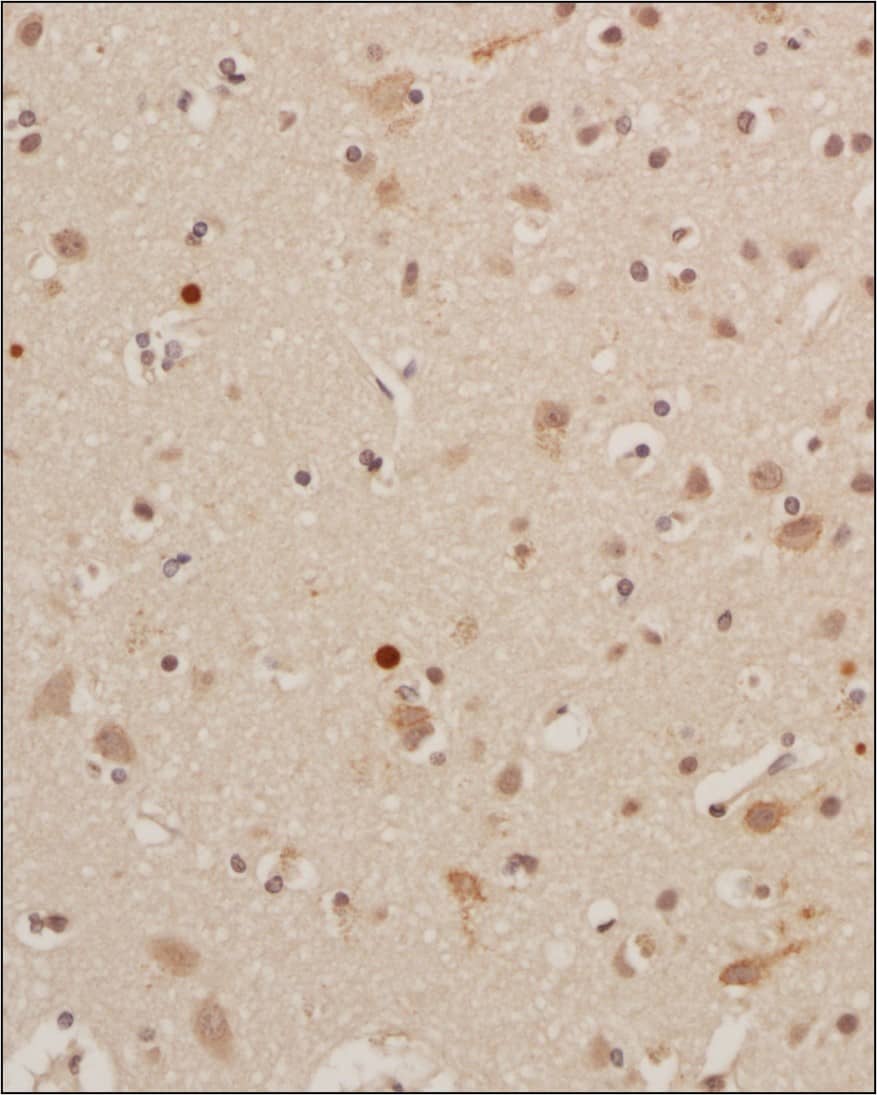




| Publication using NB100-56392 | Applications | Species |
|---|---|---|
| Li , Wang C, Li Z et al. Nano-sized Al2O3 particle-induced autophagy reduces osteolysis in aseptic loosening of total hip arthroplasty by negative feedback regulation of RANKL expression in fibroblasts Cell Death Dis 2018-08-12 [PMID: 30082761] (IF/IHC, WB, Human) | IF/IHC, WB | Human |
Secondary Antibodies |
Isotype Controls |
Research Areas for TRANCE/TNFSF11/RANK L Antibody (NB100-56392)Find related products by research area.
|
|
The diverse functions of RANKL/TRANCE/TNFSF11 RANKL (also known as TNF-related activation-induced cytokine), or receptor activator of nuclear factor-?B ligand, was first discovered as a key player in the RANKL/RANK/OPG osteoclast formation pathway. Osteoclasts are large multinucleate cells t... Read full blog post. |
The concentration calculator allows you to quickly calculate the volume, mass or concentration of your vial. Simply enter your mass, volume, or concentration values for your reagent and the calculator will determine the rest.


![N/A Osteoprotegerin/TNFRSF11B [Biotin]](https://images.novusbio.com/images/elisa/DATA_Osteoprotegerin_DY805_ELISA_2238.jpg)
![SDS-Page TNF-alpha [Unconjugated]](https://images.novusbio.com/images/protein/TNF-alpha_210-TA_256.jpg)
![Bioactivity TNF-alpha [Unconjugated]](https://images.novusbio.com/images/protein/TNFalpha_210TA_1658.jpg)
![SEC-MALS TNF-alpha [Unconjugated]](https://images.novusbio.com/images/210-ta_recombinant-human-tnf-alpha-protein-sec-mals-35202312244..jpg)
![N/A IL-6 [HRP]](https://images.novusbio.com/images/elisa/DATA_IL6_M6000_ELISA_936.jpg)
![N/A IL-6 [HRP]](https://images.novusbio.com/images/elisa/IL-6_M6000_ELISA_415.jpg)
![N/A IL-6 [HRP]](https://images.novusbio.com/images/m6000b_mouse-il-6-quantikine-elisa-kit-1752025024034.jpg)
![N/A CD40 Ligand/TNFSF5 [HRP]](https://images.novusbio.com/images/elisa/CD40_Ligand_DCDL40_ELISA_60.jpg)
![N/A CD40 Ligand/TNFSF5 [HRP]](https://images.novusbio.com/images/elisa/DATA_CD40_Ligand_DCDL40_ELISA_624.jpg)
![Western Blot TRAF-2 Antibody (324522) [Unconjugated]](https://images.novusbio.com/images/antibody/TRAF-2_MAB3277_Western_Blot_6081.jpg)


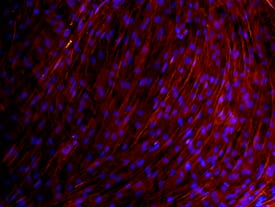


![Western Blot ERK2 Antibody [Unconjugated]](https://images.novusbio.com/images/antibody/ERK2_AF1230_Western_Blot_5097.jpg)
![Knockout Validated ERK2 Antibody [Unconjugated]](https://images.novusbio.com/images/antibody/ERK2_AF1230_Knockout_Validated_22864.jpg)
![Immunohistochemistry ERK2 Antibody [Unconjugated]](https://images.novusbio.com/images/antibody/ERK2_AF1230_Immunohistochemistry_20696.jpg)


![Western Blot: Goat anti-Rabbit IgG (H+L) Secondary Antibody [HRP] [NB7160] - Western blot showing vemurafenib treatment in BRAFV600E CRC cells inhibits fission mediator DRP1 with no significant effect on fusion proteins (Mfn1 & 2) using MFN-1 antibody (NBP1-51841) and corresponding secondary antibody, goat anti-rabbit IgG-HRP (NB7160). Image collected and cropped by CiteAb from the following publication (https://pubmed.ncbi.nlm.nih.gov/33738242).](https://images.novusbio.com/images/Goat-anti-Rabbit-IgG-H+L-Secondary-Antibody-HRP-Western-Blot-NB7160-img0001.jpg "Western Blot: Goat anti-Rabbit IgG (H+L) Secondary Antibody [HRP] [NB7160] - Western blot showing vemurafenib treatment in BRAFV600E CRC cells inhibits fission mediator DRP1 with no significant effect on fusion proteins (Mfn1 & 2) using MFN-1 antibody (NBP1-51841) and corresponding secondary antibody, goat anti-rabbit IgG-HRP (NB7160). Image collected and cropped by CiteAb from the following publication (https://pubmed.ncbi.nlm.nih.gov/33738242).")
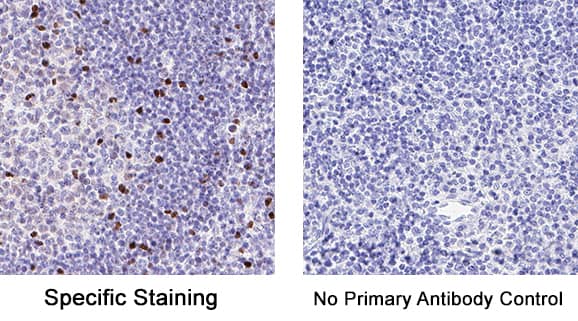
![Flow Cytometry: Rabbit IgG Isotype Control [NBP2-24891] - An intracellular stain was performed on Raji cells with Adiponectin antibody NB100-65810 (blue) and a matched isotype control NBP2-24893 (orange). Cells were fixed with 4% PFA and then permeablized with 0.1% saponin. Cells were incubated in an antibody dilution of 1 ug/mL for 30 minutes at room temperature, followed by Dylight488-conjugated anti-rabbit secondary antibody. Image using the Azide Free form of this antibody.](https://images.novusbio.com/images/Rabbit--Mouse-IgG-Isotype-Control-Flow-Cytometry-NBP2-24891-img0006.jpg "Flow Cytometry: Rabbit IgG Isotype Control [NBP2-24891] - An intracellular stain was performed on Raji cells with Adiponectin antibody NB100-65810 (blue) and a matched isotype control NBP2-24893 (orange). Cells were fixed with 4% PFA and then permeablized with 0.1% saponin. Cells were incubated in an antibody dilution of 1 ug/mL for 30 minutes at room temperature, followed by Dylight488-conjugated anti-rabbit secondary antibody. Image using the Azide Free form of this antibody.")