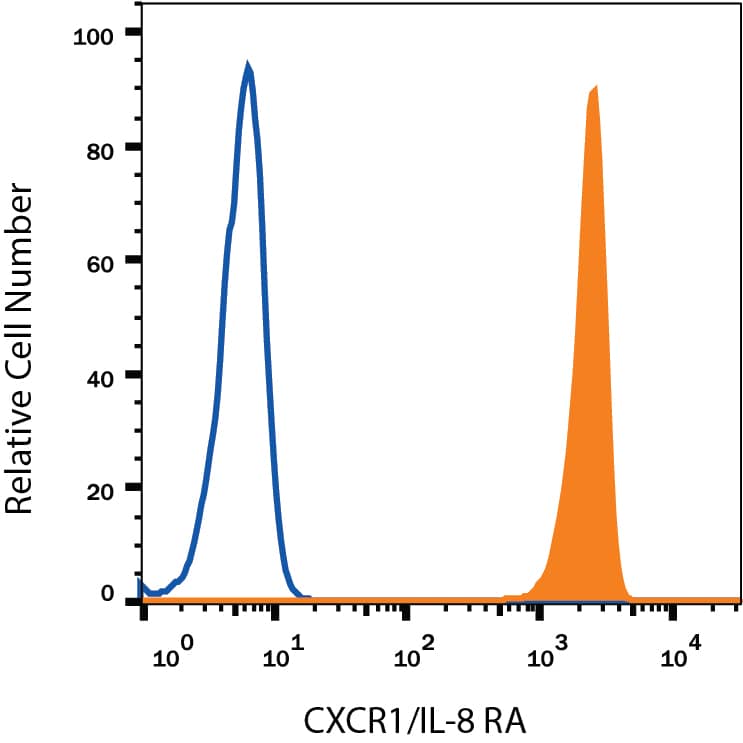
IC003P, open histogram). View our protocol for Staining Membrane-associated Proteins. " title="HUVEC cells were stained with Mouse Anti-Human ROBO4 PE‑conjugated Monoclonal Antibody (Catalog # FAB2454P, filled histogram) or isotype control antibody (Catalog # IC003P, open histogram). View our protocol for Staining Membrane-associated Proteins. " />
| Reactivity | HuSpecies Glossary |
| Applications | Flow |
| Clone | 265703 |
| Clonality | Monoclonal |
| Host | Mouse |
| Conjugate | Phycoerythrin |
| Immunogen | Mouse myeloma cell line NS0-derived recombinant human ROBO4 Gln28-Arg467 Accession # Q8WZ75 |
| Specificity | Detects human ROBO4 in direct ELISAs and Western blots. In direct ELISAs, no cross-reactivity with recombinant rat ROBO1, recombinant human (rh) ROBO2, or rhROBO3 is observed. |
| Source | N/A |
| Isotype | IgG2a |
| Clonality | Monoclonal |
| Host | Mouse |
| Gene | ROBO4 |
| Purity Statement | Protein A or G purified from hybridoma culture supernatant |
| Innovator's Reward | Test in a species/application not listed above to receive a full credit towards a future purchase. |
| Dilutions |
|
|
| Publications |
|
| Storage | Protect from light. Do not freeze.
|
| Buffer | Supplied in a saline solution containing BSA and Sodium Azide. |
| Preservative | Sodium Azide |


![Immunohistochemistry ACE/CD143 Antibody [Unconjugated]](https://images.novusbio.com/images/antibody/ACE_AF1513_Immunohistochemistry_6703.jpg)
![Western Blot ACE/CD143 Antibody [Unconjugated]](https://images.novusbio.com/images/antibody/ACE_AF1513_Flow_Cytometry_20028.jpg)
![Simple Western ACE/CD143 Antibody [Unconjugated]](https://images.novusbio.com/images/antibody/ACE_AF1513_Simple_Western_20109.jpg)
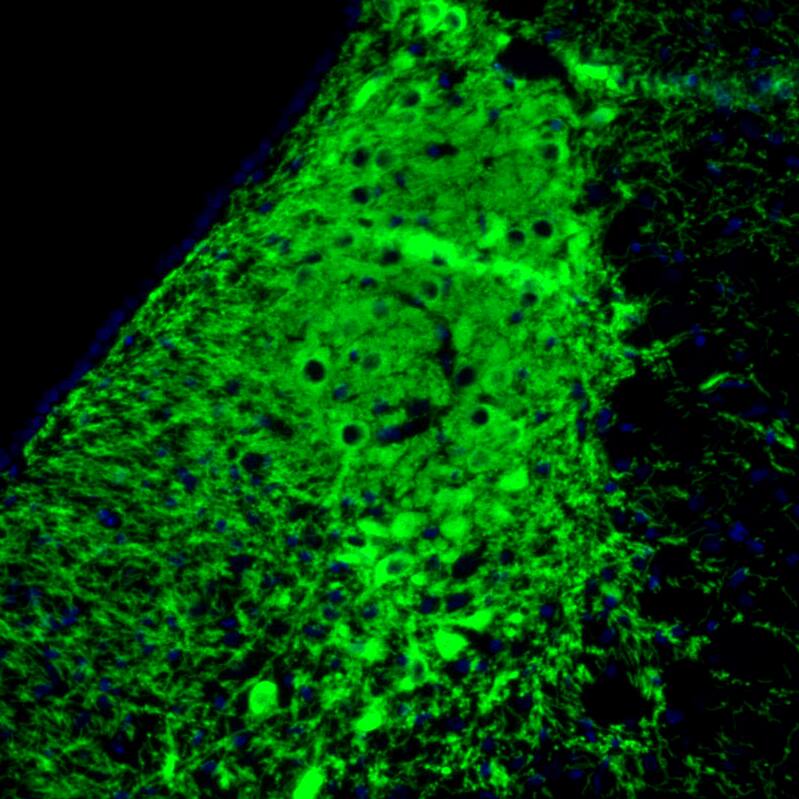
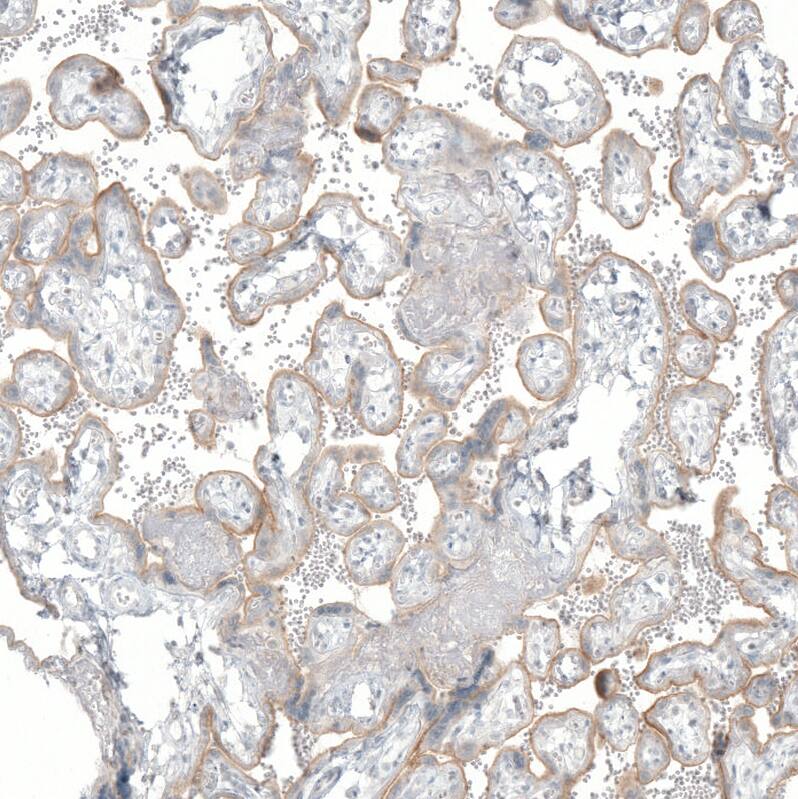
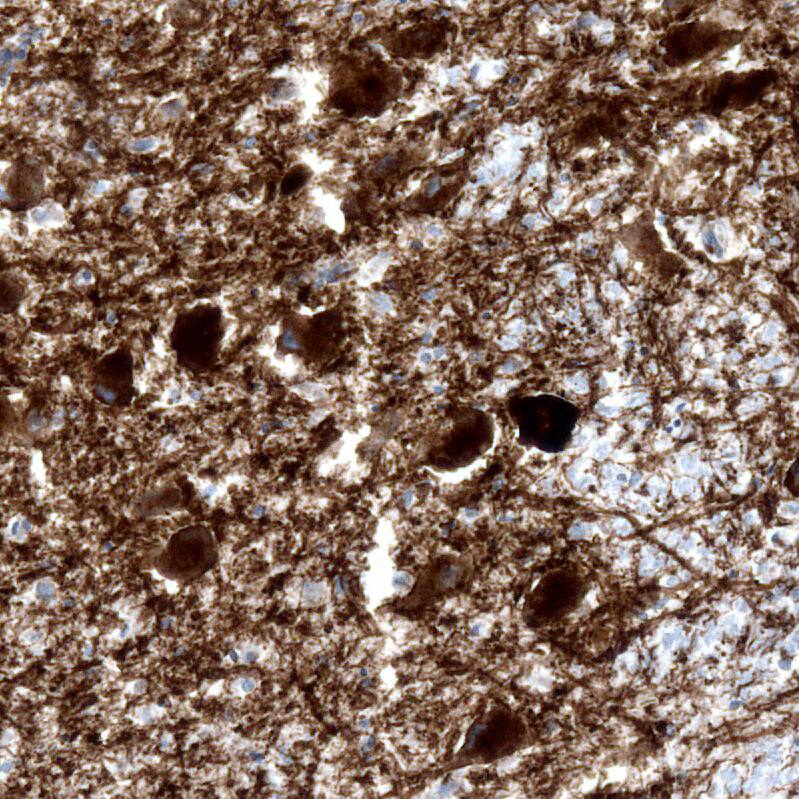


![Western Blot ACE-2 Antibody [Unconjugated]](https://images.novusbio.com/images/af933_human-ace-2-ectodomain-affinity-purified-polyclonal-ab-western-blot-12122025971816.jpg)
![Immunohistochemistry ACE-2 Antibody [Unconjugated]](https://images.novusbio.com/images/af933_human-ace-2-ectodomain-affinity-purified-polyclonal-ab-8120255561311.jpg)
![Immunohistochemistry ACE-2 Antibody [Unconjugated]](https://images.novusbio.com/images/af933_human-ace-2-ectodomain-affinity-purified-polyclonal-ab-8120255531619.jpg)
![Immunohistochemistry VEGFR2/KDR/Flk-1 Antibody [Unconjugated]](https://images.novusbio.com/images/antibody/VEGF_R2_AF644_Immunohistochemistry_6888.jpg)
![Immunohistochemistry VEGFR2/KDR/Flk-1 Antibody [Unconjugated]](https://images.novusbio.com/images/af644_mouse-vegf-r2-flk-1-affinity-purified-polyclonal-ab-4120241048248.jpg)
![In-situ Hybridization VEGFR2/KDR/Flk-1 Antibody [Unconjugated]](https://images.novusbio.com/images/antibody/af644_mouse-vegf-r2-flk-1-affinity-purified-polyclonal-ab-in-situ-hybridization-235202421442..jpg)


![Intracellular Staining by Flow Cytometry AKT [p Ser473] Antibody [Unconjugated] - Pan Specific](https://images.novusbio.com/images/antibody/Akt3_AF887_Flow_Cytometry_8283.jpg)
![Western Blot AKT [p Ser473] Antibody [Unconjugated] - Pan Specific](https://images.novusbio.com/images/af887_phospho-akt-s473-pan-specific-affinity-purified-pab-41202410485440.jpg)
![Western Blot AKT [p Ser473] Antibody [Unconjugated] - Pan Specific](https://images.novusbio.com/images/af887_phospho-akt-s473-pan-specific-affinity-purified-pab-8120255552843.jpg)
![Western Blot Carbonic Anhydrase VIII/CA8 Antibody [Unconjugated]](https://images.novusbio.com/images/antibody/Carbonic_Anhydrase_VIII_AF2187_Western_Blot_20462.jpg)
![Simple Western Carbonic Anhydrase VIII/CA8 Antibody [Unconjugated]](https://images.novusbio.com/images/antibody/Carbonic_Anhydrase_VIII_AF2187_Simple_Western_20463.jpg)
![ROBO4 Antibody (265703) [Phycoerythrin]](/sites/all/modules/enterprise-tech/et_datasheets/images/novus_guarantee.png "ROBO4 Antibody (265703) [Phycoerythrin]")
| Publication using FAB2454P | Applications | Species |
|---|---|---|
| Zhang Y, Fisher N, Newey SE The impact of proliferative potential of umbilical cord-derived endothelial progenitor cells and hypoxia on vascular tubule formation in vitro. Stem Cells Dev., 2009-03-01;18(2):359-75. 2009-03-01 [PMID: 18662129] (Flow Cytometry, Human) | Flow Cytometry | Human |
Secondary Antibodies |
Isotype Controls |
The concentration calculator allows you to quickly calculate the volume, mass or concentration of your vial. Simply enter your mass, volume, or concentration values for your reagent and the calculator will determine the rest.




![N/A VEGF [HRP]](https://images.novusbio.com/images/elisa/VEGF_DVE00_ELISA_208.jpg)
![N/A VEGF [HRP]](https://images.novusbio.com/images/elisa/DATA_VEGF_DVE00_ELISA_871.jpg)
![N/A VEGF [HRP]](https://images.novusbio.com/images/elisa/DATA_VEGF_DVE00_ELISA_872.jpg)



![Immunohistochemistry UNC5H2/UNC5B Antibody [Unconjugated]](https://images.novusbio.com/images/af1006_rat-unc5h2-unc5b-affinity-purified-polyclonal-ab-immunohistochemistry-3152022161010.jpg)
![Western Blot UNC5H2/UNC5B Antibody [Unconjugated]](https://images.novusbio.com/images/antibody/UNC5H2_AF1006_Western_Blot_17311.jpg)