![Immunohistochemistry-Paraffin: PCNA [p Tyr211] Antibody [NB100-59861] - Samples: FFPE serial sections of human breast tissue. Mock phosphatase treated section (left) or calf intestinal phosphatase-treated section (right) immunostained for Phospho-PCNA (Y211). Antibody: Affinity purified rabbit anti-Phospho-PCNA (Y211) used at at dilution of 1:250 and incubated for 18 hours at room temperature. Detection: DAB](http://images.novusbio.com/fullsize/PCNA-[p-Tyr211]-Antibody-Immunohistochemistry-NB100-59861-img0005.jpg "Immunohistochemistry-Paraffin: PCNA [p Tyr211] Antibody [NB100-59861] - Samples: FFPE serial sections of human breast tissue. Mock phosphatase treated section (left) or calf intestinal phosphatase-treated section (right) immunostained for Phospho-PCNA (Y211). Antibody: Affinity purified rabbit anti-Phospho-PCNA (Y211) used at at dilution of 1:250 and incubated for 18 hours at room temperature. Detection: DAB")
| Reactivity | HuSpecies Glossary |
| Applications | IHC |
| Clonality | Polyclonal |
| Host | Rabbit |
| Conjugate | Unconjugated |
| Concentration | 0.05 mg/ml |
| Immunogen | Immunogen for this antibody was a phosphorylated synthetic peptide, which represented a portion of human proliferating cell nuclear antigen (GeneID 5111) around tyrosine 211 according to the numbering given inentry NP_002583.1. |
| Modification | p Tyr211 |
| Marker | Proliferation Marker |
| Isotype | IgG |
| Clonality | Polyclonal |
| Host | Rabbit |
| Gene | PCNA |
| Purity | Immunogen affinity purified |
| Innovator's Reward | Test in a species/application not listed above to receive a full credit towards a future purchase. |
| Dilutions |
|
||
| Application Notes | Epitope exposure is recommended. Epitope exposure with citrate buffer will enhance staining. Extended incubation with primary antibody (16-24 hours) at room temperature is recommended. Likely to work with frozen sections. In some cases, the antibody may be diluted further than indicated. |
||
| Control |
|
||
| Publications |
|
| Storage | Store at 4C. Do not freeze. |
| Buffer | TBS and 0.1% BSA |
| Preservative | 0.09% Sodium Azide |
| Concentration | 0.05 mg/ml |
| Purity | Immunogen affinity purified |


![Immunohistochemistry PAK3 Antibody [Unconjugated]](https://images.novusbio.com/images/antibody/PAK3_AF6897_Immunohistochemistry_11144.jpg)
![Simple Western PAK3 Antibody [Unconjugated]](https://images.novusbio.com/images/antibody/af6897_human-mouse-pak3-affinity-purified-polyclonal-ab-simple-western-245202494437..jpg)
![Immunohistochemistry PAK3 Antibody [Unconjugated]](https://images.novusbio.com/images/antibody/PAK3_AF6897_Immunohistochemistry_11480.jpg)
![Immunocytochemistry EGFR Antibody [Unconjugated]](https://images.novusbio.com/images/antibody/EGF_R_AF231_Immunocytochemistry__Immunofluorescence_21143.jpg)
![Flow Cytometry EGFR Antibody [Unconjugated]](https://images.novusbio.com/images/antibody/EGF_R_AF231_Flow_Cytometry_20401.jpg)
![Western Blot EGFR Antibody [Unconjugated]](https://images.novusbio.com/images/antibody/EGF_R_AF231_Western_Blot_19925.jpg)
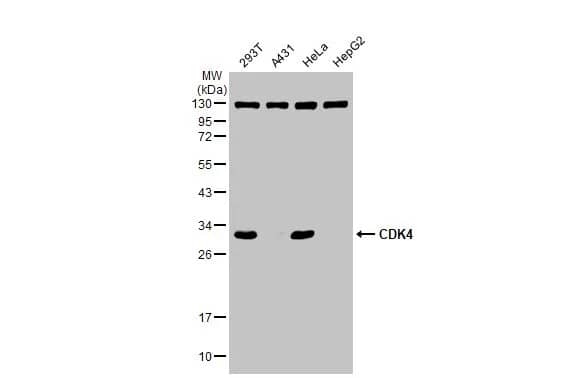
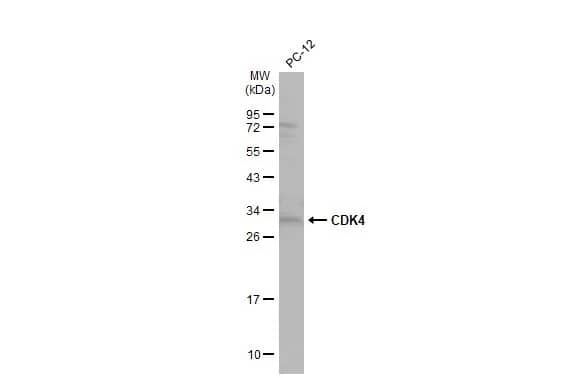


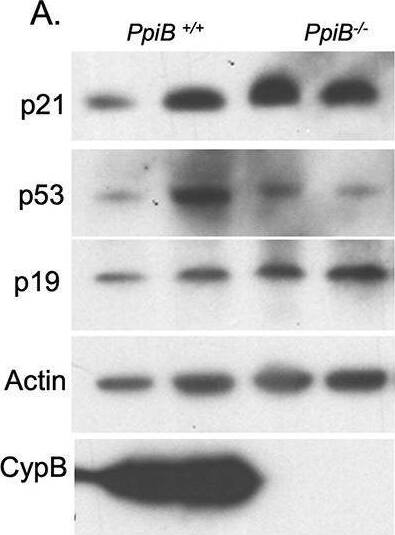
![PCNA [p Tyr211] Antibody](/sites/all/modules/enterprise-tech/et_datasheets/images/novus_guarantee.png "PCNA [p Tyr211] Antibody")
Secondary Antibodies |
Isotype Controls |
Research Areas for PCNA Antibody (NB100-59861)Find related products by research area.
|
|
The dynamic use of a PCNA antibody in fish, porcine and primate species Proliferating cell nuclear antigen (PCNA) plays a crucial role in nucleic acid metabolism as it pertains to DNA replication and repair. Most noted for its activation of subunits of DNA polymerase, it has also been found to interact with cell-cycl... Read full blog post. |
|
The relationship between Ki67 and HIF-1 in cancer Ki67, also known as MKI67, is best known as the leading marker of cellular proliferation. Ki67 is regulated by a balance between synthesis and degradation, and often carries a very short half-life. First discovered to be located to dividing cells,... Read full blog post. |
|
Caspase 3 - a Reliable Marker for Index of Apoptosis Induction Caspase-3 is one of the most important players in apoptosis signaling. It is synthesized as an inactive 32 kDa pro-enzyme and upon direct activation by Caspase-8, -9 or -10, it gets processed into its active forms, the p17-20 and p10-12 subunits. T... Read full blog post. |
|
PCNA (Proliferating cell nuclear antigen, polymerase delta auxiliary protein) PCNA is a nuclear protein essential for DNA replication as well as DNA excision and mismatch repair pathways. It coordinates the recruitment and association of needed components during both of these processes, both of which are essential for cell cycl... Read full blog post. |
|
PCNA Antibodies: Marking Cell Proliferation & DNA Replication Proliferating Cell Nuclear Antigen (PCNA), also known as the polymerase delta auxiliary protein, is a nuclear protein essential for DNA replication as well as DNA excision and mismatch repair pathways. It has a large role in cell cycle regulation and ... Read full blog post. |
|
PCNA is a Universal Marker of Proliferating Cells Proliferating cell nuclear antigen (PCNA) is an evolutionarily well-conserved protein found in all eukaryotic species as well as in Archaea. PCNA was first shown to be involved in DNA replication. However PCNA functions are associated with other vital... Read full blog post. |
|
Using PCNA as an Antibody Marker PCNA antibodies are useful biomarkers in DNA repair studies. PCNA is one of several proteins essential for the completion of nucleotide excision repair, a multi-stage process involving 20 - 30 proteins, and an important factor in repairing damage and ... Read full blog post. |
The concentration calculator allows you to quickly calculate the volume, mass or concentration of your vial. Simply enter your mass, volume, or concentration values for your reagent and the calculator will determine the rest.


![Immunohistochemistry-Paraffin: PCNA [p Tyr211] Antibody [NB100-59861] - Samples: FFPE serial sections of human breast carcinoma. Mock phosphatase treated section (left) or calf intestinal phosphatase-treated section (right) immunostained for Phospho-PCNA (Y211). Antibody: Affinity purified rabbit anti-Phospho-PCNA (Y211) used a dilution of 1:250 and incubated for 18 hours at room temeprature. Detection: DAB](http://images.novusbio.com/fullsize/PCNA-[p-Tyr211]-Antibody-Immunohistochemistry-NB100-59861-img0004.jpg "Immunohistochemistry-Paraffin: PCNA [p Tyr211] Antibody [NB100-59861] - Samples: FFPE serial sections of human breast carcinoma. Mock phosphatase treated section (left) or calf intestinal phosphatase-treated section (right) immunostained for Phospho-PCNA (Y211). Antibody: Affinity purified rabbit anti-Phospho-PCNA (Y211) used a dilution of 1:250 and incubated for 18 hours at room temeprature. Detection: DAB")
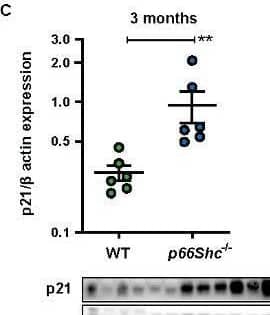
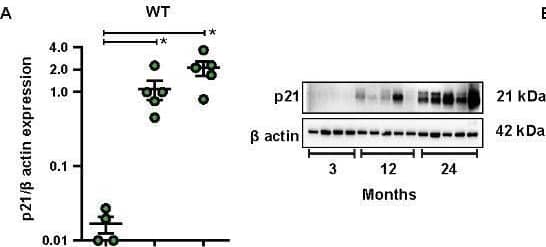
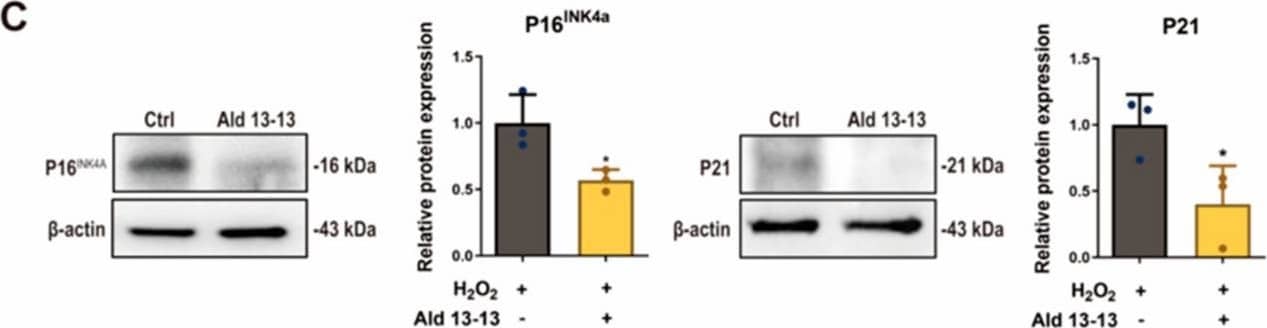


![N/A VEGF [HRP]](https://images.novusbio.com/images/elisa/VEGF_DVE00_ELISA_208.jpg)
![N/A VEGF [HRP]](https://images.novusbio.com/images/elisa/DATA_VEGF_DVE00_ELISA_871.jpg)
![N/A VEGF [HRP]](https://images.novusbio.com/images/elisa/DATA_VEGF_DVE00_ELISA_872.jpg)


![Western Blot p27/Kip1 [p Thr157] Antibody](https://images.novusbio.com/images/antibody/p27_AF1555_Western_Blot_5119.jpg)
![Immunohistochemistry Caspase-3 Antibody [Unconjugated] - Active](https://images.novusbio.com/images/af835_human-mouse-active-caspase-3-affinity-purified-pab-41202410331943.jpg)
![Western Blot Caspase-3 Antibody [Unconjugated] - Active](https://images.novusbio.com/images/af835_human-mouse-active-caspase-3-affinity-purified-pab-812025554170.jpg)
![Western Blot Caspase-3 Antibody [Unconjugated] - Active](https://images.novusbio.com/images/af835_human-mouse-active-caspase-3-affinity-purified-pab-8120255534731.jpg)
![Western Blot: Goat anti-Rabbit IgG (H+L) Secondary Antibody [HRP] [NB7160] - Western blot showing vemurafenib treatment in BRAFV600E CRC cells inhibits fission mediator DRP1 with no significant effect on fusion proteins (Mfn1 & 2) using MFN-1 antibody (NBP1-51841) and corresponding secondary antibody, goat anti-rabbit IgG-HRP (NB7160). Image collected and cropped by CiteAb from the following publication (https://pubmed.ncbi.nlm.nih.gov/33738242).](https://images.novusbio.com/images/Goat-anti-Rabbit-IgG-H+L-Secondary-Antibody-HRP-Western-Blot-NB7160-img0001.jpg "Western Blot: Goat anti-Rabbit IgG (H+L) Secondary Antibody [HRP] [NB7160] - Western blot showing vemurafenib treatment in BRAFV600E CRC cells inhibits fission mediator DRP1 with no significant effect on fusion proteins (Mfn1 & 2) using MFN-1 antibody (NBP1-51841) and corresponding secondary antibody, goat anti-rabbit IgG-HRP (NB7160). Image collected and cropped by CiteAb from the following publication (https://pubmed.ncbi.nlm.nih.gov/33738242).")
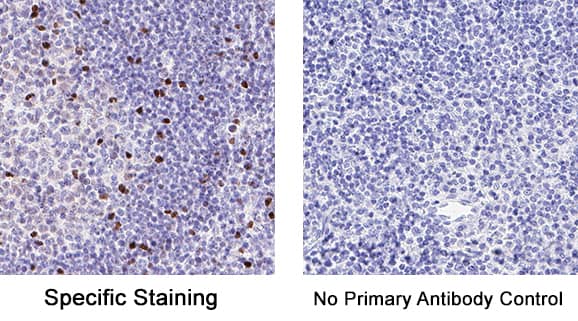
![Flow Cytometry: Rabbit IgG Isotype Control [NBP2-24891] - An intracellular stain was performed on Raji cells with Adiponectin antibody NB100-65810 (blue) and a matched isotype control NBP2-24893 (orange). Cells were fixed with 4% PFA and then permeablized with 0.1% saponin. Cells were incubated in an antibody dilution of 1 ug/mL for 30 minutes at room temperature, followed by Dylight488-conjugated anti-rabbit secondary antibody. Image using the Azide Free form of this antibody.](https://images.novusbio.com/images/Rabbit--Mouse-IgG-Isotype-Control-Flow-Cytometry-NBP2-24891-img0006.jpg "Flow Cytometry: Rabbit IgG Isotype Control [NBP2-24891] - An intracellular stain was performed on Raji cells with Adiponectin antibody NB100-65810 (blue) and a matched isotype control NBP2-24893 (orange). Cells were fixed with 4% PFA and then permeablized with 0.1% saponin. Cells were incubated in an antibody dilution of 1 ug/mL for 30 minutes at room temperature, followed by Dylight488-conjugated anti-rabbit secondary antibody. Image using the Azide Free form of this antibody.")