| Reactivity | HuSpecies Glossary |
| Applications | Enzyme Activity |
| Format | Carrier-Free |
| Details of Functionality | Measured by its ability to cleave the fluorogenic peptide substrate, SUC-Ala-Ala-Pro-Phe-AMC. The specific activity is >80 pmol/min/µg, as measured under the described conditions. |
| Source | Mouse myeloma cell line, NS0-derived human Chymase/CMA1 protein Met1-Asn247, with a C-terminal 10-His tag |
| Accession # | |
| N-terminal Sequence | Gly20 |
| Structure / Form | Pro form |
| Protein/Peptide Type | Recombinant Enzymes |
| Gene | CMA1 |
| Purity | >90%, by SDS-PAGE under reducing conditions and visualized by silver stain |
| Endotoxin Note | <1.0 EU per 1 μg of the protein by the LAL method. |
| Dilutions |
|
|
| Theoretical MW | 27 kDa. Disclaimer note: The observed molecular weight of the protein may vary from the listed predicted molecular weight due to post translational modifications, post translation cleavages, relative charges, and other experimental factors. |
|
| SDS-PAGE | 38 kDa, reducing conditions |
|
| Publications |
|
| Storage | Use a manual defrost freezer and avoid repeated freeze-thaw cycles.
|
|||
| Buffer | Supplied as a 0.2 μm filtered solution in HEPES and NaCl. |
|||
| Purity | >90%, by SDS-PAGE under reducing conditions and visualized by silver stain |
|||
| Assay Procedure |
*Adjusted for Substrate Blank
|
Chymases are a group of chymotrypsin-like serine proteases secreted by mast cells (1). They are synthesized as inactive precursors containing a 2-residue propeptide, which needs to be removed by dipeptidyl peptidase I/cathepsin C for the enzymatic activity (2). Human Chymase encoded by the CMA1 gene is known to be involved in hypertention and heart failure through its ability to convert angiotensin I (Ang I) to angiotensin II (Ang II), which plays a key role in the regulation of arterial pressure (3). In addition, it is also important in physiological and pathological conditions including inflammation, fibrosis and processing of cytokines (4). Therefore, designing a specific inhibitor for Chymase activity has been a pharmacologic strategy to develop therapeutic agents.


![Immunohistochemistry ACE/CD143 Antibody [Unconjugated]](https://images.novusbio.com/images/antibody/ACE_AF1513_Immunohistochemistry_6703.jpg)
![Western Blot ACE/CD143 Antibody [Unconjugated]](https://images.novusbio.com/images/antibody/ACE_AF1513_Flow_Cytometry_20028.jpg)
![Simple Western ACE/CD143 Antibody [Unconjugated]](https://images.novusbio.com/images/antibody/ACE_AF1513_Simple_Western_20109.jpg)



![Flow Cytometry CD117/c-kit Antibody [Unconjugated]](https://images.novusbio.com/images/af1356_human-mouse-cd117-c-kit-affinity-purified-polyclonal-ab-81202555532.jpg)
![Immunohistochemistry CD117/c-kit Antibody [Unconjugated]](https://images.novusbio.com/images/antibody/af1356_human-mouse-cd117-c-kit-affinity-purified-polyclonal-ab-immunohistochemistry-812202575731.png)
![Immunocytochemistry/ Immunofluorescence CD117/c-kit Antibody [Unconjugated]](https://images.novusbio.com/images/af1356_human-mouse-cd117-c-kit-affinity-purified-polyclonal-ab-41202410481199.jpg)



The concentration calculator allows you to quickly calculate the volume, mass or concentration of your vial. Simply enter your mass, volume, or concentration values for your reagent and the calculator will determine the rest.


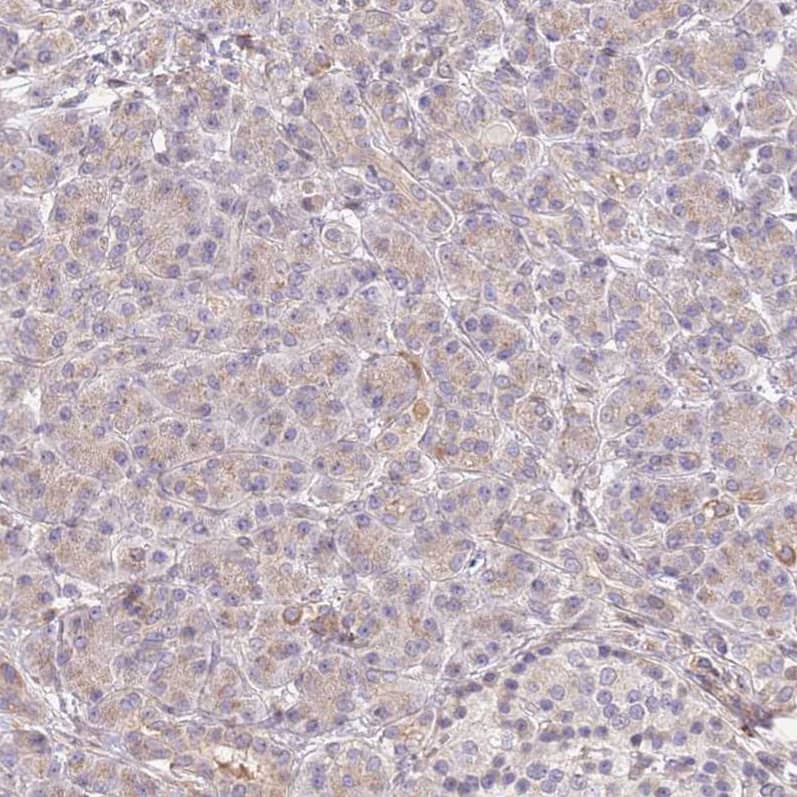
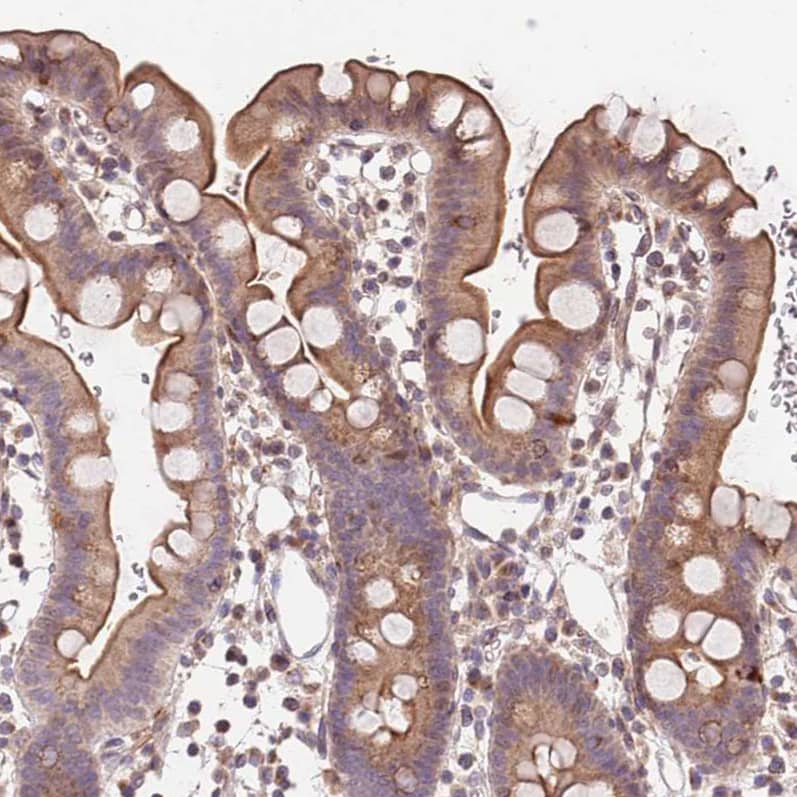

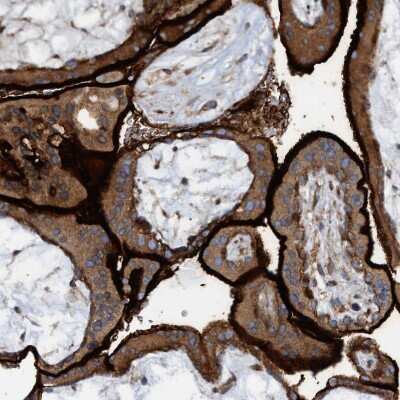
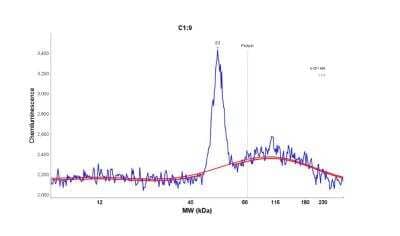


![N/A Angiogenin [HRP]](https://images.novusbio.com/images/elisa/Angiogenin_DAN00_ELISA_28.jpg)
![N/A Angiogenin [HRP]](https://images.novusbio.com/images/elisa/DATA_Angiogenin_DAN00_ELISA_571.jpg)
![Western Blot EMMPRIN/CD147 Antibody [Unconjugated]](https://images.novusbio.com/images/antibody/EMMPRIN_AF972_Western_Blot_16707.jpg)
![Immunohistochemistry EMMPRIN/CD147 Antibody [Unconjugated]](https://images.novusbio.com/images/antibody/EMMPRIN_AF972_Immunohistochemistry_7348.jpg)
![Immunohistochemistry EMMPRIN/CD147 Antibody [Unconjugated]](https://images.novusbio.com/images/antibody/EMMPRIN_AF972_Immunohistochemistry_17212.jpg)
![Immunocytochemistry/ Immunofluorescence Renin Antibody [Unconjugated] - 1](https://images.novusbio.com/images/af4277_mouse-renin-1-affinity-purified-polyclonal-ab-41202412394940.jpg)
![Immunohistochemistry Renin Antibody [Unconjugated] - 1](https://images.novusbio.com/images/antibody/Renin_AF4277_Immunohistochemistry_17351.jpg)
![ELISA Renin Antibody [Unconjugated] - 1](https://images.novusbio.com/images/af4277_mouse-renin-1-affinity-purified-polyclonal-ab-elisa-639201778625485467.jpg)
![SDS-Page TNF-alpha [Unconjugated]](https://images.novusbio.com/images/protein/TNF-alpha_210-TA_256.jpg)
![Bioactivity TNF-alpha [Unconjugated]](https://images.novusbio.com/images/protein/TNFalpha_210TA_1658.jpg)
![SEC-MALS TNF-alpha [Unconjugated]](https://images.novusbio.com/images/210-ta_recombinant-human-tnf-alpha-protein-sec-mals-35202312244..jpg)
![N/A IL-6 [HRP]](https://images.novusbio.com/images/elisa/DATA_IL6_M6000_ELISA_936.jpg)
![N/A IL-6 [HRP]](https://images.novusbio.com/images/elisa/IL-6_M6000_ELISA_415.jpg)
![N/A IL-6 [HRP]](https://images.novusbio.com/images/m6000b_mouse-il-6-quantikine-elisa-kit-1752025024034.jpg)