| Preparation Method |
Knockout achieved by using CRISPR/Cas9,1 bp deletion in exon 2 and Insertion of the selection cassette in exon 2 |
| Gene | BAX |
| Dilutions |
|
| Application Notes | You will receive 1 vial (100ug) of knockout cell lysate and 1 vial (100ug) of Parental cell lysate. Lysate can be diluted with 1X SDS sample buffer and will be stable at -20 degrees C for 12 months. Minimize freeze-thaw cycles. |
| Storage | Store at -20C short term. Aliquot and store at -80C long term. Avoid freeze-thaw cycles. |
| Buffer | 0.1 mg cell homogenate lyophilized in RIPA buffer made with double-knockout cell lines. |
| Concentration | LYOPH |
| Reconstitution Instructions | To use as WB negative control, spin down briefly and resuspend in 100 uL 1xSDS sample buffer (2% SDS, 60 mM Tris-HCl pH 6.8, 10% Glycerol, 0.02% Bromophenol blue, 60 mM beta-mercaptoethanol). Boil the lysate for 3 - 5 minutes before loading it onto gel. |


![Intracellular Staining by Flow Cytometry AKT [p Ser473] Antibody [Unconjugated] - Pan Specific](https://images.novusbio.com/images/antibody/Akt3_AF887_Flow_Cytometry_8283.jpg)
![Western Blot AKT [p Ser473] Antibody [Unconjugated] - Pan Specific](https://images.novusbio.com/images/af887_phospho-akt-s473-pan-specific-affinity-purified-pab-41202410485440.jpg)
![Western Blot AKT [p Ser473] Antibody [Unconjugated] - Pan Specific](https://images.novusbio.com/images/af887_phospho-akt-s473-pan-specific-affinity-purified-pab-8120255552843.jpg)
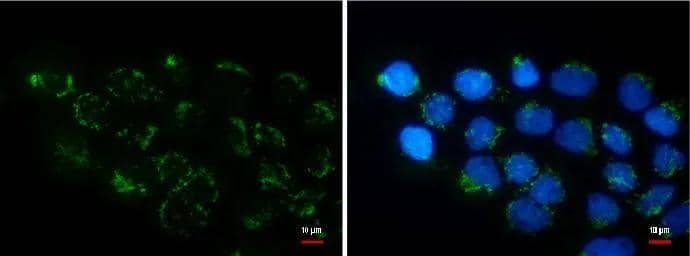

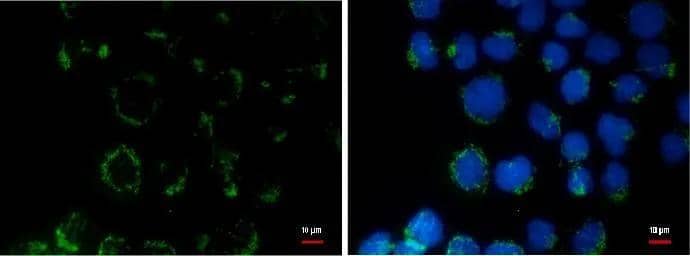
Research Areas for Bax Lysate (NBP2-64682)Find related products by research area.
|
|
Apoptosis and Necroptosis Part I: Important factors to identify both types of programmed cell death Different types of cell death have classically been identified by discrete morphological changes. The hallmarks of apoptosis include cell shrinkage, nuclear fragmentation and membrane blebbing whereas necroptosis is characterized by cell swelling ... Read full blog post. |
|
Pathway Highlight: Which caspase substrates contribute to the morphological features associated with apoptosis? Apoptosis, or programmed cell death, is controlled by a caspase signal cascade that activates downstream signals to induce the morphological changes used to differentiate apoptosis from other forms of cell death. Novus Biologicals offers a variet... Read full blog post. |
|
The use of apoptosis antibodies and controls in cell death research Apoptosis is a method of programmed cell death that is notably characterized by a morphological change in cellular nuclei and membrane appearance. Not to be confused with necrosis, apoptosis is a pathway that is induced by a variety of factors tha... Read full blog post. |
|
The role of Parkin and autophagy in retinal pigment epithelial cell (RPE) degradation The root of Parkinson’s disease (PD) points to a poorly regulated electron transport chain leading to mitochondrial damage, where many proteins need to work cohesively to ensure proper function. The two key players of this pathway are PINK1, ... Read full blog post. |
|
The role of p53 in UV radiation DNA damage and subsequent tumorogenesis p53, the protein product of the tp53 gene, is one of the most widely studied tumor suppressor proteins in cancer research. p53 is unique in that it demonstrates both tumor suppressive and tumor progressive properties depending on whether it is fu... Read full blog post. |
|
The dynamic use of a PCNA antibody in fish, porcine and primate species Proliferating cell nuclear antigen (PCNA) plays a crucial role in nucleic acid metabolism as it pertains to DNA replication and repair. Most noted for its activation of subunits of DNA polymerase, it has also been found to interact with cell-cycl... Read full blog post. |
|
Required proteins for p62/SQSTM1 regulation and a role for p62/SQSTM1 in neuronal autophagy Autophagy is a crucial cellular process that clears the cell of protein aggregates, toxins, and damaged cell products. Accumulation of toxins, damaged cell products and unwanted proteins has been proven to play a role in aging and many forms of dis... Read full blog post. |
|
Altered expression of BCL2 in cancer Similar to other cell processes, the balance between cell survival and cell death is an important equilibrium that when altered expression of genes can lead to a variety of disease. For example, too little cell death can promote cell overgrowth a... Read full blog post. |
|
p53 - Investigating an important tumor suppressor p53 is a tumor suppressor that has a central role in regulating cell cycle arrest, DNA repair, and apoptosis. p53 is widely studied for its role in cancer and is mutated or altered in more than half of all cancers (1). This widespread role in tumor... Read full blog post. |
|
UVRAG - A regulator of membrane trafficking in autophagy and endocytosis UV resistance-associated gene (UVRAG) is a tumor suppressor that is commonly mutated in colon and breast cancer. While UVRAG was discovered for its ability to complement UV sensitivity in xeroderma pigmentosum cells, its main functions are in auto... Read full blog post. |
The concentration calculator allows you to quickly calculate the volume, mass or concentration of your vial. Simply enter your mass, volume, or concentration values for your reagent and the calculator will determine the rest.
| Gene Symbol | BAX |


![Immunoprecipitation bcl-x Antibody [Unconjugated]](https://images.novusbio.com/images/antibody/Bcl-x_AF800_Immunoprecipitation_1612.jpg)
![Simple Western bcl-x Antibody [Unconjugated]](https://images.novusbio.com/images/antibody/Bclx_AF800_Simple_Western_16514.jpg)
![Western Blot bcl-x Antibody [Unconjugated]](https://images.novusbio.com/images/af800_human-mouse-bcl-x-affinity-purified-polyclonal-ab-western-blot-12122025825244.jpg)
![Immunohistochemistry Caspase-3 Antibody [Unconjugated] - Active](https://images.novusbio.com/images/af835_human-mouse-active-caspase-3-affinity-purified-pab-41202410331943.jpg)
![Western Blot Caspase-3 Antibody [Unconjugated] - Active](https://images.novusbio.com/images/af835_human-mouse-active-caspase-3-affinity-purified-pab-812025554170.jpg)
![Western Blot Caspase-3 Antibody [Unconjugated] - Active](https://images.novusbio.com/images/af835_human-mouse-active-caspase-3-affinity-purified-pab-8120255534731.jpg)
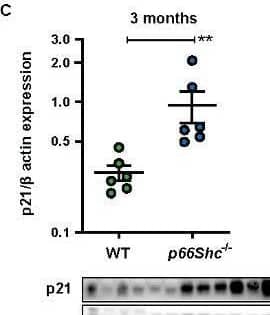
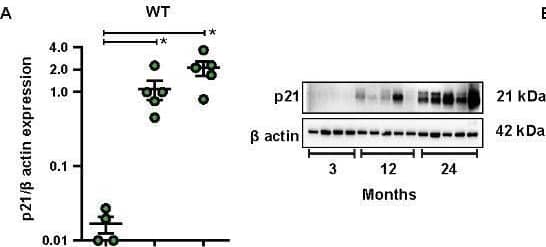
![Immunocytochemistry BAK Antibody [Unconjugated]](https://images.novusbio.com/images/antibody/BAK_AF816_Immunocytochemistry__Immunofluorescence_22091.jpg)
![Western Blot BAK Antibody [Unconjugated]](https://images.novusbio.com/images/af816_human-bak-affinity-purified-polyclonal-ab-western-blot-1212202596577.jpg)
![Western Blot BAK Antibody [Unconjugated]](https://images.novusbio.com/images/af816_human-bak-affinity-purified-polyclonal-ab-western-blot-121220259181918.jpg)
![Simple Western BID Antibody [Unconjugated]](https://images.novusbio.com/images/antibody/BID_AF860_Simple_Western_16992.jpg)
![Western Blot BID Antibody [Unconjugated]](https://images.novusbio.com/images/antibody/BID_AF860_Western_Blot_22585.jpg)
![Western Blot BID Antibody [Unconjugated]](https://images.novusbio.com/images/antibody/BID_AF860_Western_Blot_9663.jpg)


![SDS-Page TNF-alpha [Unconjugated]](https://images.novusbio.com/images/protein/TNF-alpha_210-TA_256.jpg)
![Bioactivity TNF-alpha [Unconjugated]](https://images.novusbio.com/images/protein/TNFalpha_210TA_1658.jpg)
![SEC-MALS TNF-alpha [Unconjugated]](https://images.novusbio.com/images/210-ta_recombinant-human-tnf-alpha-protein-sec-mals-35202312244..jpg)


![Western Blot ERK2 Antibody [Unconjugated]](https://images.novusbio.com/images/antibody/ERK2_AF1230_Western_Blot_5097.jpg)
![Knockout Validated ERK2 Antibody [Unconjugated]](https://images.novusbio.com/images/antibody/ERK2_AF1230_Knockout_Validated_22864.jpg)
![Immunohistochemistry ERK2 Antibody [Unconjugated]](https://images.novusbio.com/images/antibody/ERK2_AF1230_Immunohistochemistry_20696.jpg)