 959-ME) stimulates proliferation in the TF-1 human erythroleukemic cell line in a dose-dependent manner (orange line). Proliferation elicited by Recombinant Mouse Erythropoietin/EPO (10 ng/mL) is neutralized (green line) by increasing concentrations of Goat Anti-Human/Mouse/Rat Erythropoietin/EPO Antigen Affinity-purified Polyclonal Antibody (Catalog # AF959). The ND50 is typically 0.25-1.25 µg/mL." title="Recombinant Mouse Erythropoietin/EPO (Catalog # 959-ME) stimulates proliferation in the TF-1 human erythroleukemic cell line in a dose-dependent manner (orange line). Proliferation elicited by Recombinant Mouse Erythropoietin/EPO (10 ng/mL) is neutralized (green line) by increasing concentrations of Goat Anti-Human/Mouse/Rat Erythropoietin/EPO Antigen Affinity-purified Polyclonal Antibody (Catalog # AF959). The ND50 is typically 0.25-1.25 µg/mL." />
| Immunogen | Chinese hamster ovary cell line CHO-derived recombinant mouse Erythropoietin/EPO Ala27-Arg192 Accession # P07321 |
| Specificity | Detects human, mouse, and rat Erythropoietin/EPO in direct ELISAs and Western blots. In direct ELISAs, less than 1% cross-reactivity with recombinant mouse Thymopoietin (Tpo) is observed. |
| Source | N/A |
| Isotype | IgG |
| Clonality | Polyclonal |
| Host | Goat |
| Gene | EPO |
| Purity Statement | Antigen Affinity-purified |
| Endotoxin Note | <0.10 EU per 1 μg of the antibody by the LAL method. |
| Innovator's Reward | Test in a species/application not listed above to receive a full credit towards a future purchase. |
| Dilutions |
|
|
| Publications |
|
| Storage | Use a manual defrost freezer and avoid repeated freeze-thaw cycles.
|
| Buffer | Lyophilized from a 0.2 μm filtered solution in PBS with Trehalose. *Small pack size (SP) is supplied either lyophilized or as a 0.2 µm filtered solution in PBS. |
| Preservative | No Preservative |
| Concentration | LYOPH |
| Reconstitution Instructions | Reconstitute at 0.2 mg/mL in sterile PBS. |
Erythropoietin (EPO) is a 34 kDa glycoprotein hormone in the type I cytokine family and is related to thrombopoietin (1). Its three N-glycosylation sites, four alpha helices, and N- to C-terminal disulfide bond are conserved across species (2, 3). Glycosylation of EPO is required for biological activities in vivo (4). Mature mouse EPO shares 95% amino acid sequence identity with rat EPO and 73%-82% with bovine, canine, equine, feline, human, ovine, and porcine EPO. EPO is primarily produced in the kidney by a population of fibroblast-like cortical interstitial cells adjacent to the proximal tubules (5). It is also produced in much lower, but functionally significant amounts by fetal hepatocytes and in adult liver and brain (6-8). EPO promotes erythrocyte formation by preventing the apoptosis of early erythroid precursors which express the EPO receptor (EPO R) (8, 9). EPO R has also been described in brain, retina, heart, skeletal muscle, kidney, endothelial cells, and a variety of tumor cells (7, 8, 10, 11). Ligand induced dimerization of EPO R triggers JAK2-mediated signaling pathways followed by receptor/ligand endocytosis and degradation (1, 12). Rapid regulation of circulating EPO allows tight control of erythrocyte production and hemoglobin concentrations. Anemia or other causes of low tissue oxygen tension induce EPO production by stabilizing the hypoxia-induceable transcription factors HIF-1 alpha and HIF-2 alpha (1, 6). EPO additionally plays a tissue-protective role in ischemia by blocking apoptosis and inducing angiogenesis (7, 8, 13).


![Immunohistochemistry Albumin Antibody (188835) [Unconjugated] - Serum](https://images.novusbio.com/images/antibody/Albumin_MAB1455_Immunohistochemistry_23317.jpg)
![Immunocytochemistry Albumin Antibody (188835) [Unconjugated] - Serum](https://images.novusbio.com/images/antibody/Albumin_MAB1455_Immunocytochemistry__Immunofluorescence_17777.jpg)
![Intracellular Staining by Flow Cytometry Albumin Antibody (188835) [Unconjugated] - Serum](https://images.novusbio.com/images/antibody/Albumin_MAB1455_Flow_Cytometry_15110.jpg)
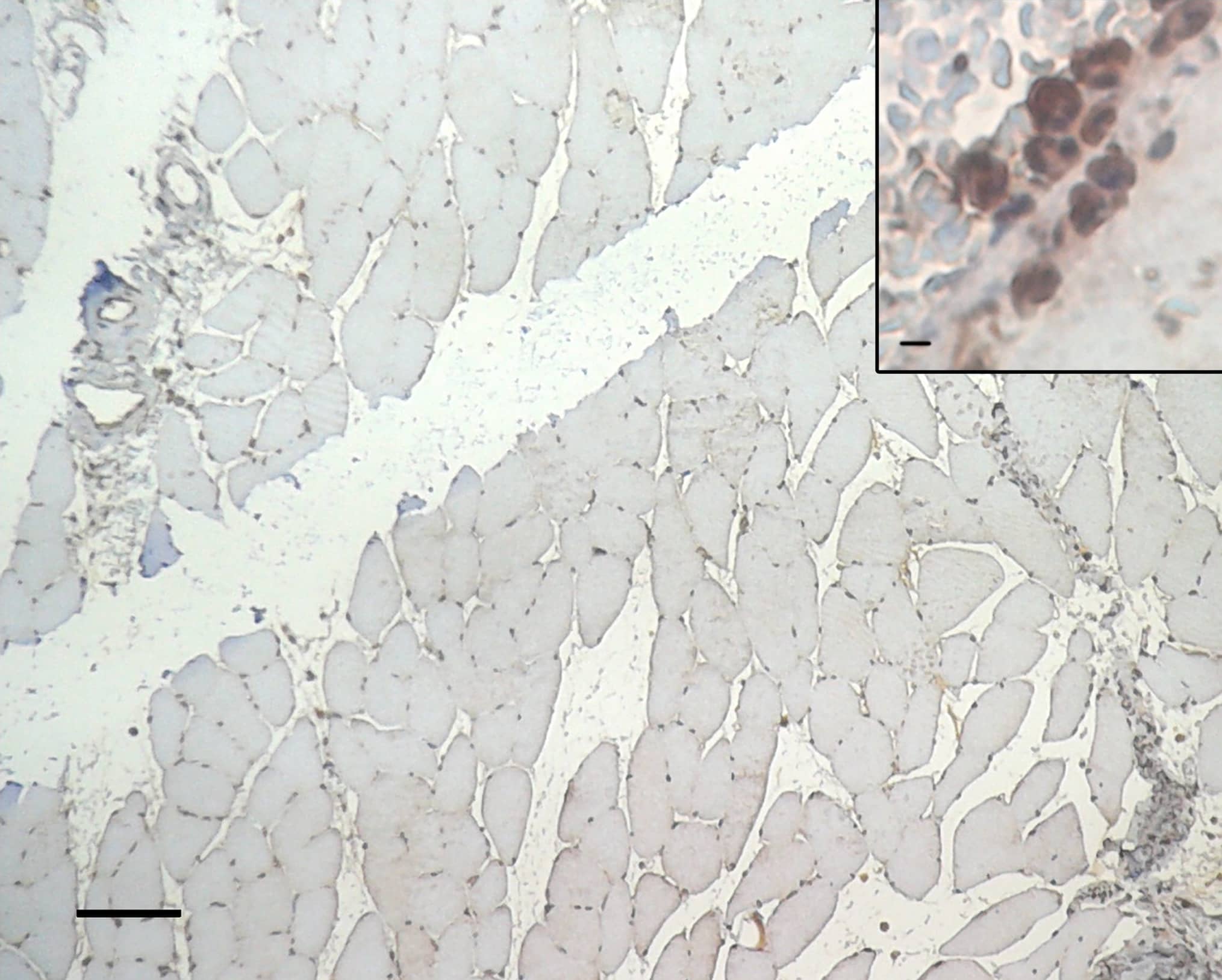
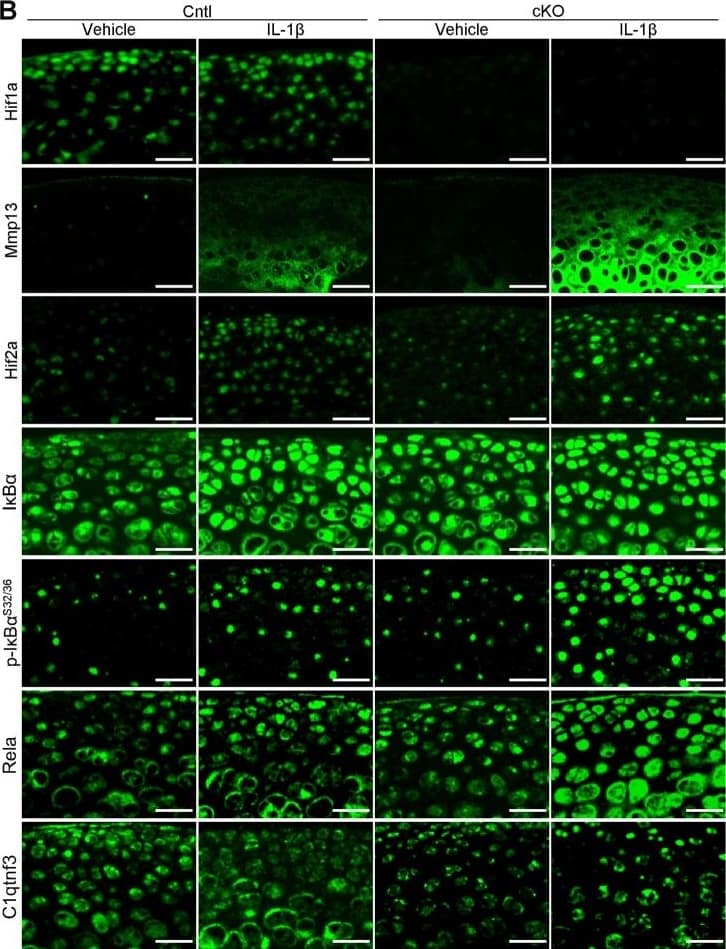
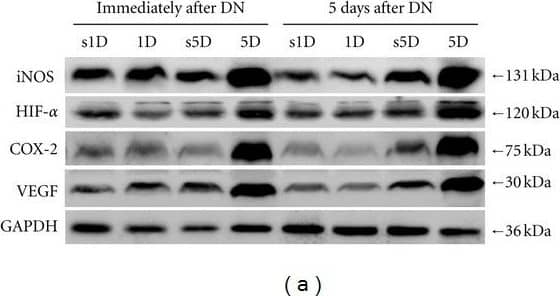

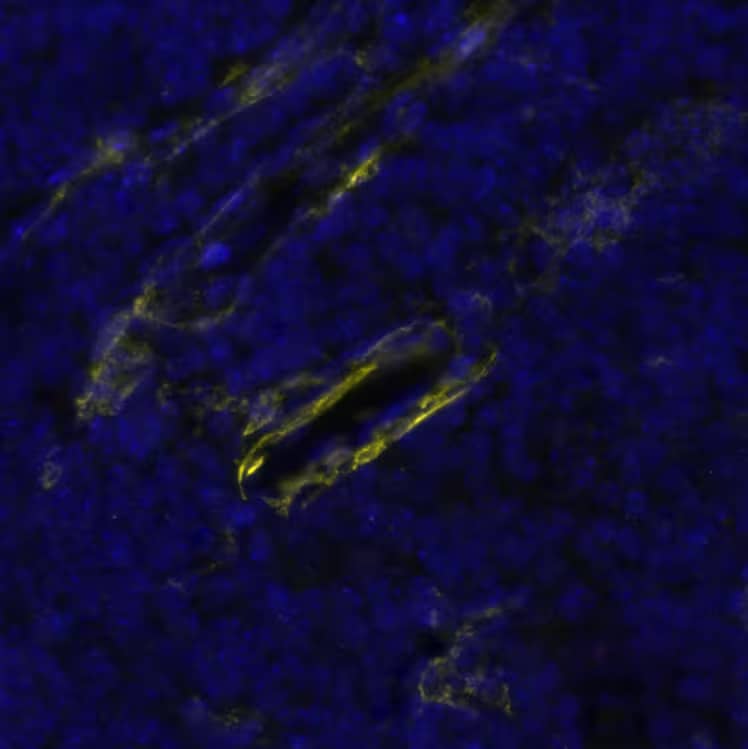

![Immunoprecipitation STAT5b Antibody [Unconjugated]](https://images.novusbio.com/images/af1584_human-mouse-stat5b-affinity-purified-pab-immunoprecipitation-2211202212563.jpg)
![Knockout Validated STAT5b Antibody [Unconjugated]](https://images.novusbio.com/images/antibody/STAT5b_AF1584_Knockout_Validated_21968.jpg)
![Knockout Validated STAT5b Antibody [Unconjugated]](https://images.novusbio.com/images/af1584_human-mouse-stat5b-affinity-purified-pab-knockout-validated-22112022124011.jpg)
![Erythropoietin/EPO Antibody [Unconjugated]](/sites/all/modules/enterprise-tech/et_datasheets/images/novus_guarantee.png "Erythropoietin/EPO Antibody [Unconjugated]")
Secondary Antibodies |
Isotype Controls |
The concentration calculator allows you to quickly calculate the volume, mass or concentration of your vial. Simply enter your mass, volume, or concentration values for your reagent and the calculator will determine the rest.


![SEC-MALS IL-3 [Unconjugated]](https://images.novusbio.com/images/203-il_recombinant-human-il-3-protein-sec-mals-133202482656..jpg)
![Bioactivity IL-3 [Unconjugated]](https://images.novusbio.com/images/protein/IL-3_203-IL_347.jpg)
![Data IL-3 [Unconjugated]](https://images.novusbio.com/images/203-il_recombinant-human-il-3-protein-data-253202610550.jpg)
![N/A IL-6 [HRP]](https://images.novusbio.com/images/elisa/DATA_IL6_M6000_ELISA_936.jpg)
![N/A IL-6 [HRP]](https://images.novusbio.com/images/elisa/IL-6_M6000_ELISA_415.jpg)
![N/A IL-6 [HRP]](https://images.novusbio.com/images/m6000b_mouse-il-6-quantikine-elisa-kit-1752025024034.jpg)
![Bioactivity GM-CSF [Unconjugated]](https://images.novusbio.com/images/protein/7954-gmcf_recombinant-human-gm-csf-cho-expressed-protein-cf-bioactivity-272020121514.jpg)
![SDS-Page TNF-alpha [Unconjugated]](https://images.novusbio.com/images/protein/TNF-alpha_210-TA_256.jpg)
![Bioactivity TNF-alpha [Unconjugated]](https://images.novusbio.com/images/protein/TNFalpha_210TA_1658.jpg)
![SEC-MALS TNF-alpha [Unconjugated]](https://images.novusbio.com/images/210-ta_recombinant-human-tnf-alpha-protein-sec-mals-35202312244..jpg)
![N/A VEGF [HRP]](https://images.novusbio.com/images/elisa/VEGF_DVE00_ELISA_208.jpg)
![N/A VEGF [HRP]](https://images.novusbio.com/images/elisa/DATA_VEGF_DVE00_ELISA_871.jpg)
![N/A VEGF [HRP]](https://images.novusbio.com/images/elisa/DATA_VEGF_DVE00_ELISA_872.jpg)
![Flow Cytometry G-CSF Antibody (67604) [Unconjugated]](https://images.novusbio.com/images/mab414_mouse-g-csf-mab-clone-67604-flow-cytometry-121220258461019.jpg)
![Flow Cytometry G-CSF Antibody (67604) [Unconjugated]](https://images.novusbio.com/images/mab414_mouse-g-csf-mab-clone-67604-flow-cytometry-12122025815217.jpg)
![Immunohistochemistry G-CSF Antibody (67604) [Unconjugated]](https://images.novusbio.com/images/mab414_mouse-g-csf-mab-clone-67604-immunohistochemistry-12122025815500.jpg)
![Bioactivity Thrombopoietin/THPO [Unconjugated]](https://images.novusbio.com/images/protein/288-tpncf_recombinant-human-thrombopoietin-ns0-expressed-protein-cf-bioactivity-272020135047.jpg)
![Simple Western STAT5a/b Antibody [Unconjugated] - Pan Specific](https://images.novusbio.com/images/antibody/16339.jpg)
![Chromatin Immunoprecipitation (ChIP) STAT5a/b Antibody [Unconjugated] - Pan Specific](https://images.novusbio.com/images/antibody/STAT5b_AF2168_Chromatin_Immunoprecipitation_11246.jpg)


