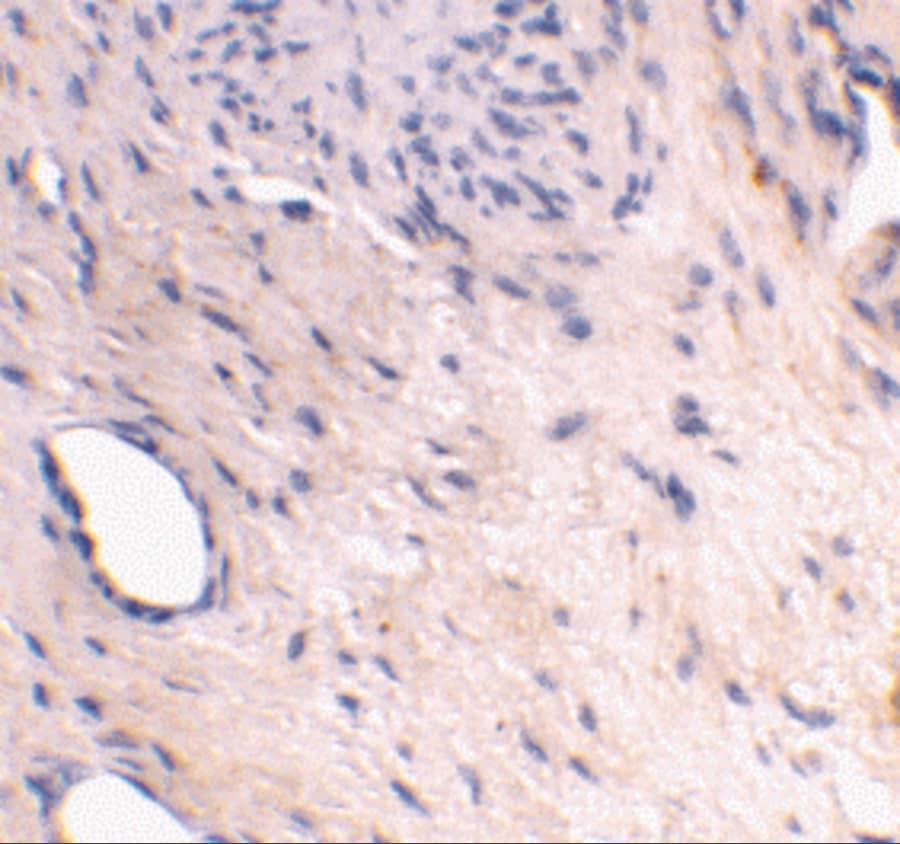
| Immunogen | Amino acids 167-374 of TSG101 protein expressed in E. coli. |
| Marker | Exosome Marker |
| Isotype | IgG1 |
| Clonality | Monoclonal |
| Host | Mouse |
| Gene | TSG101 |
| Purity | Protein G purified |
| Innovator's Reward | Test in a species/application not listed above to receive a full credit towards a future purchase. |
| Dilutions |
|
|
| Application Notes | Optimal dilution of this antibody should be experimentally determined. |
|
| Publications |
|
| Storage | Store at 4C in the dark. |
| Buffer | PBS |
| Preservative | 0.05% Sodium Azide |
| Purity | Protein G purified |


![Immunocytochemistry EGFR Antibody [Unconjugated]](https://images.novusbio.com/images/antibody/EGF_R_AF231_Immunocytochemistry__Immunofluorescence_21143.jpg)
![Flow Cytometry EGFR Antibody [Unconjugated]](https://images.novusbio.com/images/antibody/EGF_R_AF231_Flow_Cytometry_20401.jpg)
![Western Blot EGFR Antibody [Unconjugated]](https://images.novusbio.com/images/antibody/EGF_R_AF231_Western_Blot_19925.jpg)


![Immunohistochemistry EN-RAGE/S100A12 Antibody [Unconjugated]](https://images.novusbio.com/images/antibody/EN-RAGE_AF1052_Immunohistochemistry_6671.jpg)
![Simple Western EN-RAGE/S100A12 Antibody [Unconjugated]](https://images.novusbio.com/images/antibody/af1052_human-en-rage-affinity-purified-polyclonal-ab-simple-western-2672021152820.jpg)
![Flow Cytometry EN-RAGE/S100A12 Antibody [Unconjugated]](https://images.novusbio.com/images/antibody/af1052_human-en-rage-affinity-purified-polyclonal-ab-flow-cytometry-572024104928.jpg)


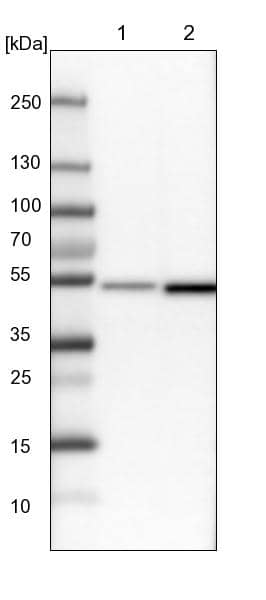


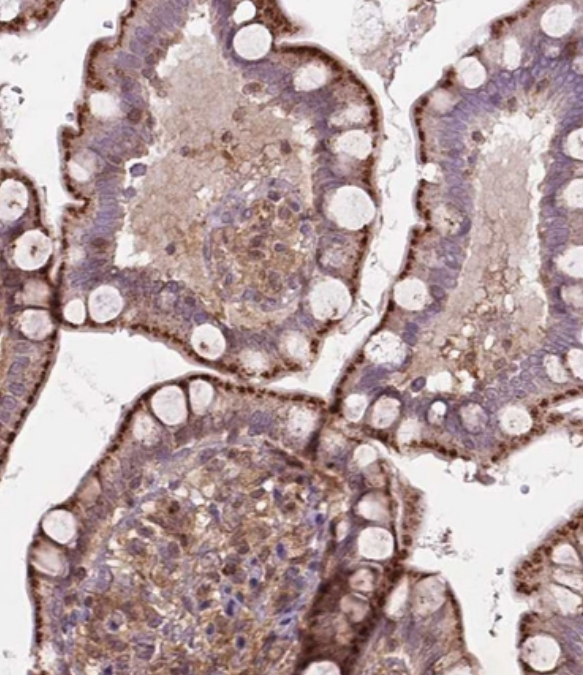


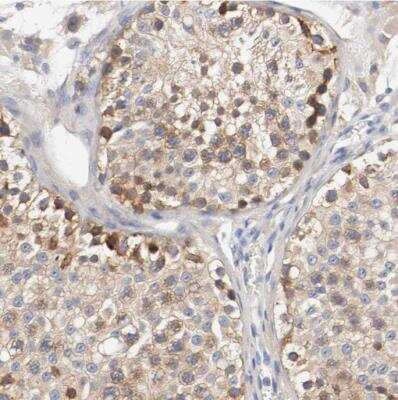
![TSG101 Antibody (4A10) [PE]](/sites/all/modules/enterprise-tech/et_datasheets/images/novus_guarantee.png "TSG101 Antibody (4A10) [PE]")
| Publication using NB200-112PE | Applications | Species |
|---|---|---|
| Guda P, Sharma A, Anthony A et al. Nanoscopic and functional characterization of keratinocyte-originating exosomes in the wound fluid of non-diabetic and diabetic chronic wound patients Nano Today 2023-10-01 (FLOW, Human) | FLOW | Human |
Secondary Antibodies |
Isotype Controls |
Research Areas for TSG101 Antibody (NB200-112PE)Find related products by research area.
|
|
Glypican 3 as a biomarker for gastro-esophageal adenocarcinoma By Jamshed Arslan, Pharm. D., PhD. Gastroesophageal adenocarcinoma originates from the glandular epithelium of the esophagus, gastroesophageal junction and stomach. The incidence of gastroesophageal adenocarcinoma is ... Read full blog post. |
|
Tools for Isolation, Quantification and Analysis of Exosomes Exosomes are spherical to cup-shaped bilayered membrane enclosed nanosize vesicles (30-100 nm) which have the ability to shuttle active cargoes between cells. Johnstone et al. 1987 pioneered in documenting the generation of exosomes in differentiat... Read full blog post. |
The concentration calculator allows you to quickly calculate the volume, mass or concentration of your vial. Simply enter your mass, volume, or concentration values for your reagent and the calculator will determine the rest.




![Bioactivity EGF [Unconjugated]](https://images.novusbio.com/images/protein/EGF_236EG_1570.jpg)
![Cell Culture EGF [Unconjugated]](https://images.novusbio.com/images/236-eg_recombinant-human-egf-protein-cf-25202394526.jpg)
![Cell Culture EGF [Unconjugated]](https://images.novusbio.com/images/236-eg_recombinant-human-egf-protein-cf-bioactivity-25202394053.jpg)
![Western Blot NEDD4 Antibody (683211) [Unconjugated]](https://images.novusbio.com/images/mab6218_human-mouse-rat-nedd4-mab-clone-683211-western-blot-12122025751211.jpg)
![Western Blot NEDD4 Antibody (683211) [Unconjugated]](https://images.novusbio.com/images/antibody/NEDD4_MAB6218_Western_Blot_10412.jpg)
![Western Blot NEDD4 Antibody (683211) [Unconjugated]](https://images.novusbio.com/images/mab6218_human-mouse-rat-nedd4-mab-clone-683211-western-blot-1212202575040.jpg)