| Reactivity | HuSpecies Glossary |
| Applications | Bioactivity |
| Format | Carrier-Free |
| Details of Functionality | Measured by its ability to enhance neurite outgrowth of E16-E18 rat embryonic cortical neurons. Recombinant Human Reg3A immobilized at 10 µg/mL is able to significantly enhance neurite outgrowth. |
| Source | E. coli-derived human Reg3A protein Glu27-Asp175, with an N-terminal Met |
| Accession # | |
| N-terminal Sequence | Met |
| Protein/Peptide Type | Recombinant Proteins |
| Gene | REG3A |
| Purity | >95%, by SDS-PAGE under reducing conditions and visualized by silver stain |
| Endotoxin Note | <0.10 EU per 1 μg of the protein by the LAL method. |
| Dilutions |
|
| Theoretical MW | 17 kDa. Disclaimer note: The observed molecular weight of the protein may vary from the listed predicted molecular weight due to post translational modifications, post translation cleavages, relative charges, and other experimental factors. |
| SDS-PAGE | 17 kDa, reducing conditions |
| Storage | Use a manual defrost freezer and avoid repeated freeze-thaw cycles.
|
| Buffer | Lyophilized from a 0.2 μm filtered solution in PBS. |
| Purity | >95%, by SDS-PAGE under reducing conditions and visualized by silver stain |
| Reconstitution Instructions | Reconstitute at 500 μg/mL in PBS. |
Reg3A (Regenerating islet-derived protein 3 alpha), also known as Reg III-alpha , hReg3 beta , or HIP/PAP (human islet peptide / pancreatitis associated protein) in humans and PAP2 in rodents, is a secreted 16-17 kDa member of the Reg family of C-type lectins (1-5). The type III genes in the Reg family, including Reg3A, are thought to have cell-protective and proliferative effects (4-6). The 149 amino acid (aa) mature human Reg3A (aa 27-175) contains a small, trypsin-cleavable PAP domain
(aa 27-39) and a C-type lectin domain, and lacks potential N-glycosylation sites (3, 4). Mature human Reg3A shares 60% and 57% aa sequence identity with mouse and rat Reg3A, respectively, while human Reg3A shares 84% aa sequence identity with the only other known human type III Reg, Reg3G (also called Reg3 gamma or PAP1B). EXTL3 (exostosis-like gene 3) is a putative receptor for Reg proteins (2, 7). In humans, Reg3A expression is increased in acute pancreatitis, and its expression and proteolytic activation in the small intestine is thought to have a protective effect against infection and TNF-alpha -induced stress (1, 8). Rodent Reg3A is mainly expressed in the intestinal tract, keratinocytes in inflamed skin, pancreatic acinar cells and islet alpha cells, where proinflammatory cytokines such as IL-6 and
IL-17 enhances its expression (5-7, 9-11). Pancreatic Reg3A expression is also increased in mouse models of type 1 diabetes (6). In the rat brain, nerve injury and inflammation increase Reg3A expression in dorsal root ganglion neurons, while low dopamine levels in stress induce its production by melanocytes (12, 13). Treatment of rat macrophages with Reg3A causes up‑regulation of NFkB signaling and modulates cytokine production (2, 4, 14).



The concentration calculator allows you to quickly calculate the volume, mass or concentration of your vial. Simply enter your mass, volume, or concentration values for your reagent and the calculator will determine the rest.


![N/A Kallikrein 3/PSA [HRP]](https://images.novusbio.com/images/elisa/DATA_Kallikrein_3_DKK300_ELISA_730.jpg)
![N/A Kallikrein 3/PSA [HRP]](https://images.novusbio.com/images/elisa/DATA_Kallikrein_3_DKK300_ELISA_729.jpg)
![N/A Kallikrein 3/PSA [HRP]](https://images.novusbio.com/images/elisa/Kallikrein_3_DKK300_ELISA_124.jpg)

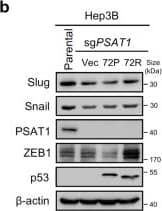
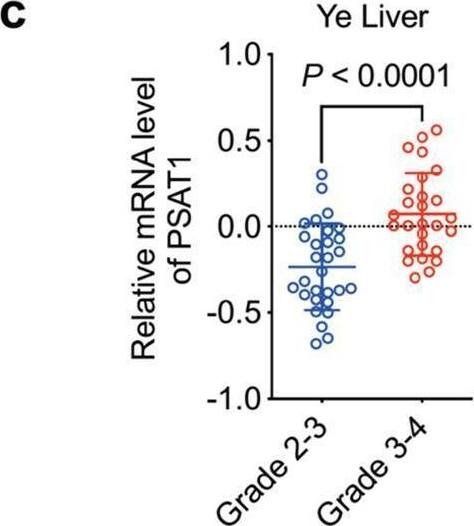
![Western Blot Protein S/PROS1 Antibody [Unconjugated]](https://images.novusbio.com/images/antibody/Protein_S_AF4036_Western_Blot_17082.jpg)
![Simple Western Protein S/PROS1 Antibody [Unconjugated]](https://images.novusbio.com/images/antibody/Protein_S_AF4036_Simple_Western_18689.jpg)


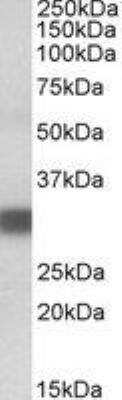
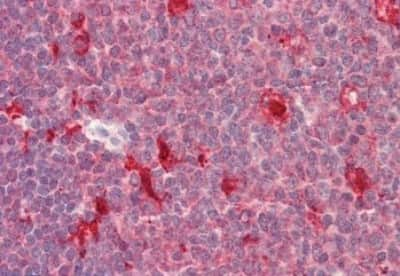
![Immunocytochemistry CD155/PVR Antibody (300907) [Unconjugated]](https://images.novusbio.com/images/antibody/CD155_MAB25301_Immunocytochemistry__Immunofluorescence_17423.jpg)
![Flow Cytometry CD155/PVR Antibody (300907) [Unconjugated]](https://images.novusbio.com/images/antibody/CD155_MAB25301_Flow_Cytometry_20611.jpg)
![Flow Cytometry CD155/PVR Antibody (300907) [Unconjugated]](https://images.novusbio.com/images/antibody/CD155_MAB25301_Flow_Cytometry_20610.jpg)



![Immunohistochemistry Insulin Antibody (182410) [Unconjugated]](https://images.novusbio.com/images/antibody/mab1417_human-bovine-mouse-insulin-mab-clone-182410-immunohistochemistry-308202115145.jpg)
![Immunocytochemistry Insulin Antibody (182410) [Unconjugated]](https://images.novusbio.com/images/antibody/Insulin_MAB1417_Immunocytochemistry_9376.jpg)


![Western Blot CEACAM7 Antibody [Unconjugated]](https://images.novusbio.com/images/antibody/CEACAM-7_AF4478_Western_Blot_5475.jpg)
![Immunohistochemistry CEACAM7 Antibody [Unconjugated]](https://images.novusbio.com/images/antibody/CEACAM7_AF4478_Immunohistochemistry_20616.jpg)