| Reactivity | HuSpecies Glossary |
| Suitable Sample Type | cell culture supernatants, serum and plasma (EDTA, heparin or citrate) |
| Specificity | This ELISA is specific for the measurement of natural and recombinant human PD-L1 [CD274]. |
| Assay Type | Sandwich ELISA |
| Kit Type | ELISA Kit (Colorimetric) |
| Gene | CD274 |
| Storage | Storage of components varies. See protocol for specific instructions. |
![In-situ Hybridization PD-1 Antibody [Unconjugated]](https://images.novusbio.com/images/antibody/af1086_human-pd-1-affinity-purified-polyclonal-ab-in-situ-hybridization-235202421027..jpg)
![Western Blot PD-1 Antibody [Unconjugated]](https://images.novusbio.com/images/antibody/PD1_AF1086_Western_Blot_19120.jpg)
![Neutralization B7-1/CD80 Antibody (37711) [Unconjugated]](https://images.novusbio.com/images/antibody/B7-1_MAB140_Block_Neutralize_9024.jpg)
![Flow Cytometry B7-1/CD80 Antibody (37711) [Unconjugated]](https://images.novusbio.com/images/antibody/B71_MAB140_Flow_Cytometry_16025.jpg)
![Immunohistochemistry B7-1/CD80 Antibody (37711) [Unconjugated]](https://images.novusbio.com/images/mab140_human-b7-1-cd80-mab-clone-37711-4120241048542.jpg)
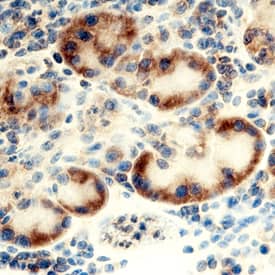
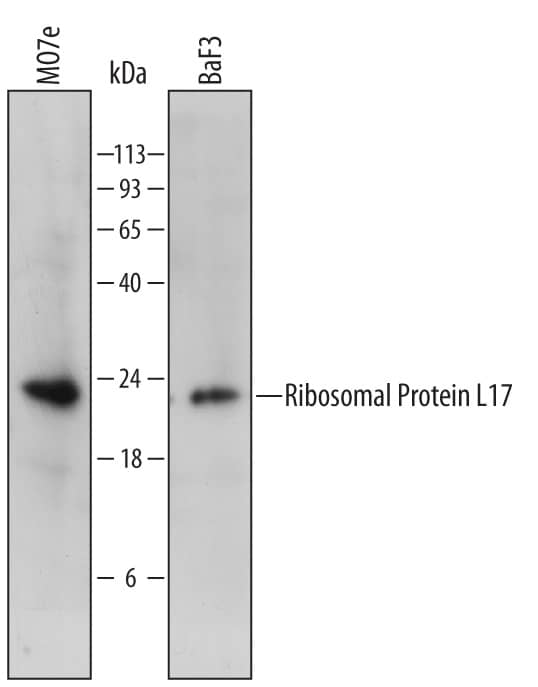


Research Areas for PD-L1 ELISA Kit (NBP3-43469)Find related products by research area.
|
|
Unlocking the Potential of Biosimilars in Immuno-Oncology By Jennifer Jones, M.S.Biosimilar Antibodies: Imitation Meets InnovationIn the ever-evolving medical landscape, a new class of pharmaceuticals is emerging as a game-changer, poised to transform the way we approach... Read full blog post. |
|
Synthetic Biotic Medicine as Immunotherapy Against Cancer: Evidence From Arginine-Producing Engineered Bacteria By Jamshed Arslan, Pharm D, PhDWhat do nuts, dairy and red meat have in common? In addition to the fact that they are all edible, one of the answers is L-arginine. This amino acid improves T cell’s respons... Read full blog post. |
| Gene Symbol | CD274 |


![Bioactivity CTLA-4 [Unconjugated]](https://images.novusbio.com/images/protein/CTLA4_7268CT_2293.jpg)
![N/A IL-10 [Biotin]](https://images.novusbio.com/images/elisa/DATA_IL10_DY417_ELISA_2014.jpg)
![SEC-MALS IFN-gamma [Unconjugated]](https://images.novusbio.com/images/485-mi_recombinant-mouse-ifn-gamma-protein-sec-mals-1612202583245.jpg)
![Bioactivity IFN-gamma [Unconjugated]](https://images.novusbio.com/images/protein/IFN-gamma_485-MI_455.jpg)
![SDS-Page IFN-gamma [Unconjugated]](https://images.novusbio.com/images/protein/IFN-gamma_485-MI_407.jpg)
![Bioactivity IL-2 [Unconjugated]](https://images.novusbio.com/images/202-il_recombinant-human-il-2-protein-bioactivity-174202314946.jpg)
![SDS-Page TNF-alpha [Unconjugated]](https://images.novusbio.com/images/protein/TNF-alpha_210-TA_256.jpg)
![Bioactivity TNF-alpha [Unconjugated]](https://images.novusbio.com/images/protein/TNFalpha_210TA_1658.jpg)
![SEC-MALS TNF-alpha [Unconjugated]](https://images.novusbio.com/images/210-ta_recombinant-human-tnf-alpha-protein-sec-mals-35202312244..jpg)


![Agonist Activity CD28 Antibody (37407) [Unconjugated]](https://images.novusbio.com/images/antibody/CD28_MAB342_Functional_Assay_2393.jpg)
![Immunocytochemistry CD28 Antibody (37407) [Unconjugated]](https://images.novusbio.com/images/mab342_human-cd28-mab-clone-37407-immunocytochemistry-31102022134634.jpg)
![Neutralization B7-H2/ICOSLG Antibody (136726) [Unconjugated]](https://images.novusbio.com/images/antibody/B7-H2_MAB165_Block_Neutralize_9035.jpg)
![Flow Cytometry B7-H2/ICOSLG Antibody (136726) [Unconjugated]](https://images.novusbio.com/images/antibody/B7-H2_MAB165_Flow_Cytometry_8343.jpg)
![Bioactivity IL-4 [Unconjugated]](https://images.novusbio.com/images/protein/6507-ilcf_recombinant-human-il-4-cho-expressed-protein-cf-bioactivity-272020133214.jpg)

![Pyruvate kinase isoform M2 (PKM2) is required for LPS-induced expression of PD-L1. RAW cells (0.5 × 10⁶ cells/ml) (A), bone marrow-derived macrophages (BMDMs) (B), or bone marrow-derived dendritic cells (C) were treated with TEPP-46 at 50 µM for 1 h prior to stimulation with LPS (100 ng/ml, 24 h), lysed and assayed for expression of PD-L1 by flow cytometry [(A–C) top panels] and pdl1 mRNA by RT-PCR [(A,B) bottom panels]. Statistical analysis was performed on cells from three separate experiments. Error bars represent mean ± SEM. BMDM cells were transfected with scrambled control (SC) or anti-PKM2 siRNA (D). 24 h post-transfection, cells were stimulated with LPS (100 ng/ml) for 24 h after which expression of PKM2 (top panel) and PDL1 (middle panel) was measured by western blot. Image collected and cropped by CiteAb from the following publication (https://pubmed.ncbi.nlm.nih.gov/29081778), licensed under a CC-BY license. Not internally tested by R&D Systems.](https://images.novusbio.com/images/af1019_mouse-pd-l1-b7-h1-affinity-purified-polyclonal-ab-4120241048244.jpg "Pyruvate kinase isoform M2 (PKM2) is required for LPS-induced expression of PD-L1. RAW cells (0.5 × 10⁶ cells/ml) (A), bone marrow-derived macrophages (BMDMs) (B), or bone marrow-derived dendritic cells (C) were treated with TEPP-46 at 50 µM for 1 h prior to stimulation with LPS (100 ng/ml, 24 h), lysed and assayed for expression of PD-L1 by flow cytometry [(A–C) top panels] and pdl1 mRNA by RT-PCR [(A,B) bottom panels]. Statistical analysis was performed on cells from three separate experiments. Error bars represent mean ± SEM. BMDM cells were transfected with scrambled control (SC) or anti-PKM2 siRNA (D). 24 h post-transfection, cells were stimulated with LPS (100 ng/ml) for 24 h after which expression of PKM2 (top panel) and PDL1 (middle panel) was measured by western blot. Image collected and cropped by CiteAb from the following publication (https://pubmed.ncbi.nlm.nih.gov/29081778), licensed under a CC-BY license. Not internally tested by R&D Systems.")