After August 17, 2026, Novus Biologicals products and services will no longer be available on this website; you will access all products and services on rndsystems.com. Create your R&D Systems online account today.
Store the unopened product at 2 - 8 °C. Do not use past expiration date.
Notes
This product is produced by and ships from R&D Systems, Inc., a Bio-Techne brand.
Alternate Names for Mouse Erythropoietin/EPO DuoSet ELISA, 15 Plate
ECYT5
EP
EPO
epoetin
Erythropoietin
MGC138142
MVCD2
Background
Erythropoietin (Epo) is a 34-39 kDa secreted glycoprotein that is a member of the type I cytokine superfamily. The mouse Epo gene encodes a 192 amino acid (aa) residue precursor that contains a 26 aa signal peptide and a 166 aa mature protein containing three potential N-linked glycosylation sites (1-4). Mouse Epo lacks the O-linked glycosylation site found in human Epo. Although carbohydrate chains are not required for in vitro receptor binding, they are required for in vivo Epo bioactivity. Depending on the cell source, different Epo isoforms are produced that differ in their glycan compositions and sialic acid contents (5-8). Mature mouse and rat Epo share 94% aa sequence identity. They also share from 80%-82% aa identity with mature human, porcine, rhesus monkey and feline Epo (2, 3). Epo is primarily produced by cells in the kidney (interstitial peritubular renal fibroblasts) and liver (hepatocytes and Ito cells), where its production is up-regulated by hypoxia. Other tissues and cells, including neural tissues (astrocytes and neurons), testis (Sertoli cells), uterus, placenta, and erythroid progenitors, have also been shown to produce Epo (9-14).
Epo is best known for its role in red blood cell formation. While Epo is not a lineage commitment factor, it inhibits apoptosis and induces burst forming unit-erythroid (BFU-E) differentiation into colony forming unit-erythroid (CFU-E), and the subsequent proliferation and maturation of CFU-E into early normoblasts (10, 15, 16). Apart from its role in erythropoiesis, Epo also acts on various non-hematopoietic cells to function as a viability and proliferation factor. Epo can stimulate myoblast proliferation while suppressing its differentiation, resulting in the expansion of the progenitor cell population (17). Epo is a tissueprotective factor that protects against ischemic and toxic injuries to neuronal, cardiovascular and renal tissues (18, 19). Epo has also been shown to promote angiogenesis in various physiologic and pathologic conditions (20, 21).
Epo binds and signals via the high-affinity preformed homodimeric Epo receptor (Epo R) that is composed of two Epo R subunits. Each Epo R subunit is a type I transmembrane glycoprotein that belongs to the type I cytokine receptor superfamily (18, 22-24). Its extracellular domain contains the characteristic two fibronectin type III domains and a WSxWS motif near the plasma membrane (24, 25). Binding of Epo to the Epo R homodimer results in conformational change and phosphorylation and activation of the non-receptor protein kinase JAK2, which activates the downstream signaling cascade (26). An alternative Epo heteromeric receptor complex that transduces cell-protective signals and containing the beta common receptor ( beta CR) subunit in addition to the Epo R subunit has been described. beta CR also belongs to the type I cytokine receptor superfamily and is a subunit that is shared by the heteromeric IL-3, IL-5 and GM-CSF receptor complexes. Epo binds with lower affinity to the heteromeric receptor consisting of a Epo R subunit and a beta CR homodimer (18).
FAQs for Erythropoietin/EPO (DY959). (Showing 1 - 1 of 1 FAQs).
What is the difference between the Quantikine and Duoset ELISA kits?
Our Quantikine kits are fully optimized and validated for the sample types listed on the product specific webpage and datasheet, as this can vary between kits. Each kit is supplied ready to use with one pre-coated 96-well plate, a detection antibody directly conjugated to HRP, and all other necessary reagents. These kits are ideal for researchers who want the convenience of a ready to use and optimized ELISA product. Some of these kits are also available prepackaged in larger 6 and 50 plate sizes.Our DuoSet Kits, in contrast, are ELISA development kits containing the capture and detection antibody, the mass-value calibrated standard, and streptavidin-HRP to prepare approximately 5 or 15 plates. Ancillary reagents will need to be used/purchased, and for most kits, we will recommend one of our Ancillary Reagent Kits, which contain the reagents we use ourselves in-house. DuoSet kits are validated only for cell culture supernatant samples and therefore require further development and validation for accurate measurement in more complex samples such as serum and plasma. Our DuoSet Kits offer an economical, flexible alternative for the experienced ELISA user.


![Immunohistochemistry Albumin Antibody (188835) [Unconjugated] - Serum](https://images.novusbio.com/images/antibody/Albumin_MAB1455_Immunohistochemistry_23317.jpg)
![Immunocytochemistry Albumin Antibody (188835) [Unconjugated] - Serum](https://images.novusbio.com/images/antibody/Albumin_MAB1455_Immunocytochemistry__Immunofluorescence_17777.jpg)
![Intracellular Staining by Flow Cytometry Albumin Antibody (188835) [Unconjugated] - Serum](https://images.novusbio.com/images/antibody/Albumin_MAB1455_Flow_Cytometry_15110.jpg)
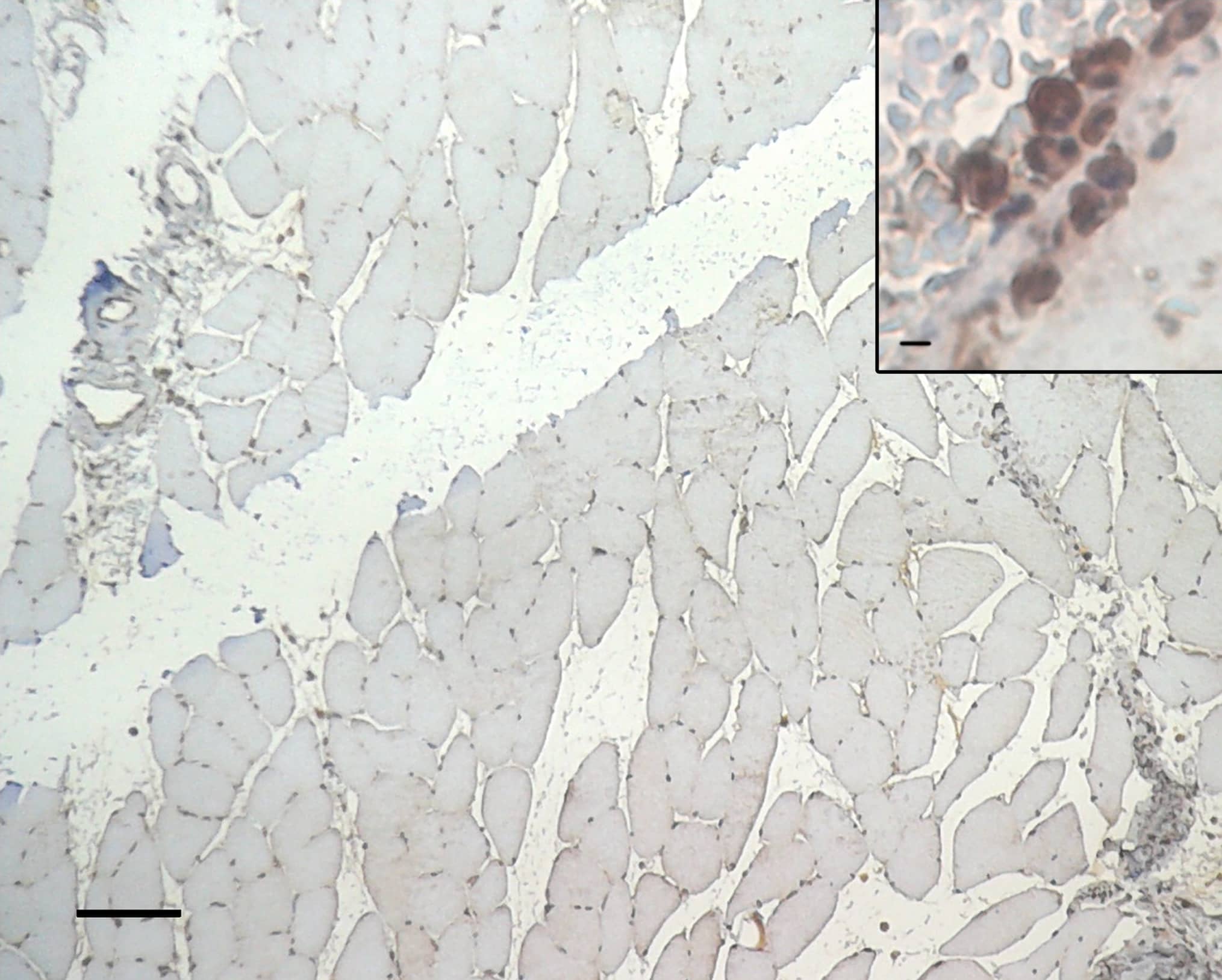
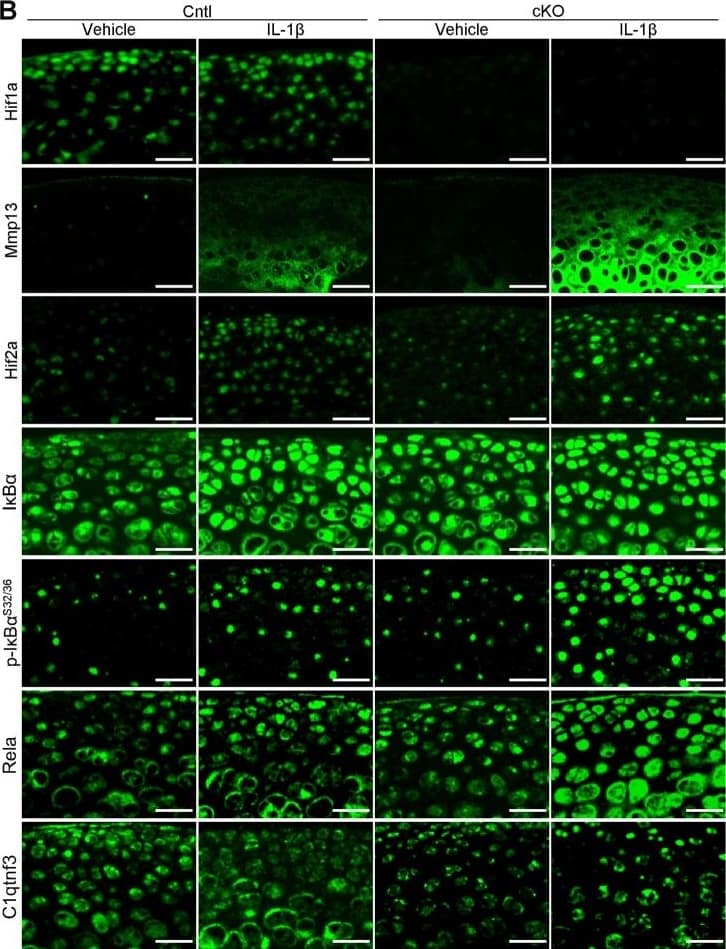
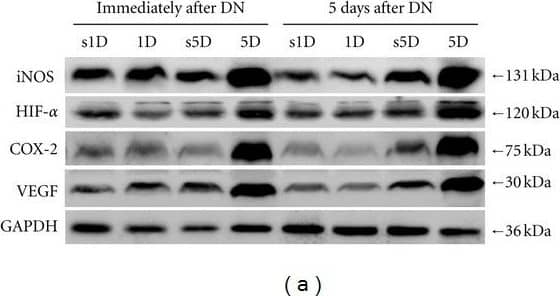

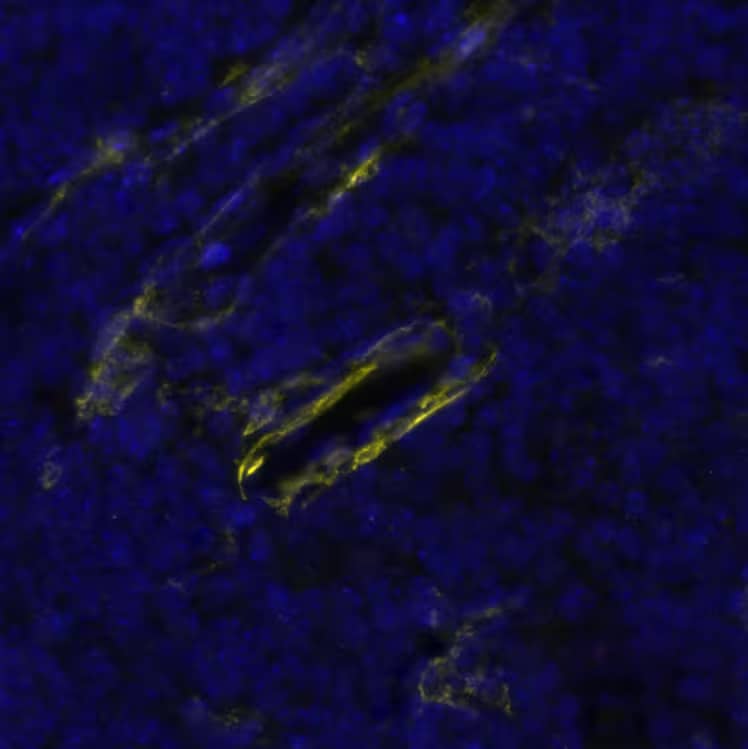

![Immunoprecipitation STAT5b Antibody [Unconjugated]](https://images.novusbio.com/images/af1584_human-mouse-stat5b-affinity-purified-pab-immunoprecipitation-2211202212563.jpg)
![Knockout Validated STAT5b Antibody [Unconjugated]](https://images.novusbio.com/images/antibody/STAT5b_AF1584_Knockout_Validated_21968.jpg)
![Knockout Validated STAT5b Antibody [Unconjugated]](https://images.novusbio.com/images/af1584_human-mouse-stat5b-affinity-purified-pab-knockout-validated-22112022124011.jpg)


![SEC-MALS IL-3 [Unconjugated]](https://images.novusbio.com/images/203-il_recombinant-human-il-3-protein-sec-mals-133202482656..jpg)
![Bioactivity IL-3 [Unconjugated]](https://images.novusbio.com/images/protein/IL-3_203-IL_347.jpg)
![Data IL-3 [Unconjugated]](https://images.novusbio.com/images/203-il_recombinant-human-il-3-protein-data-253202610550.jpg)
![SCF/c-kit Ligand [Unconjugated]](/sites/all/modules/enterprise-tech/et_datasheets/images/novus_guarantee.png "SCF/c-kit Ligand [Unconjugated]")
![Bioactivity GM-CSF [Unconjugated]](https://images.novusbio.com/images/protein/7954-gmcf_recombinant-human-gm-csf-cho-expressed-protein-cf-bioactivity-272020121514.jpg)
![SDS-Page TNF-alpha [Unconjugated]](https://images.novusbio.com/images/protein/TNF-alpha_210-TA_256.jpg)
![Bioactivity TNF-alpha [Unconjugated]](https://images.novusbio.com/images/protein/TNFalpha_210TA_1658.jpg)
![SEC-MALS TNF-alpha [Unconjugated]](https://images.novusbio.com/images/210-ta_recombinant-human-tnf-alpha-protein-sec-mals-35202312244..jpg)
![N/A VEGF [HRP]](https://images.novusbio.com/images/elisa/VEGF_DVE00_ELISA_208.jpg)
![N/A VEGF [HRP]](https://images.novusbio.com/images/elisa/DATA_VEGF_DVE00_ELISA_871.jpg)
![N/A VEGF [HRP]](https://images.novusbio.com/images/elisa/DATA_VEGF_DVE00_ELISA_872.jpg)
![Flow Cytometry G-CSF Antibody (67604) [Unconjugated]](https://images.novusbio.com/images/mab414_mouse-g-csf-mab-clone-67604-flow-cytometry-121220258461019.jpg)
![Flow Cytometry G-CSF Antibody (67604) [Unconjugated]](https://images.novusbio.com/images/mab414_mouse-g-csf-mab-clone-67604-flow-cytometry-12122025815217.jpg)
![Immunohistochemistry G-CSF Antibody (67604) [Unconjugated]](https://images.novusbio.com/images/mab414_mouse-g-csf-mab-clone-67604-immunohistochemistry-12122025815500.jpg)
![Bioactivity Thrombopoietin/THPO [Unconjugated]](https://images.novusbio.com/images/protein/288-tpncf_recombinant-human-thrombopoietin-ns0-expressed-protein-cf-bioactivity-272020135047.jpg)
![Simple Western STAT5a/b Antibody [Unconjugated] - Pan Specific](https://images.novusbio.com/images/antibody/16339.jpg)
![Chromatin Immunoprecipitation (ChIP) STAT5a/b Antibody [Unconjugated] - Pan Specific](https://images.novusbio.com/images/antibody/STAT5b_AF2168_Chromatin_Immunoprecipitation_11246.jpg)


