| Reactivity | MuSpecies Glossary |
| Applications | PAGE, Bioactivity |
| Format | Carrier-Free |
| Concentration | LYOPH |
| Description | A single non-glycosylated polypeptide chain containing 178 amino acids corresponding to G-CSF Source: E. coli Uniprot ID: P09920 Amino Acid Sequence: VPLVTVSALP PSLPLPRSFL LKSLEQVRKI QASGSVLLEQ LCATYKLCHP EELVLLGHSL GIPKASLSGC SSQALQQTQC LSQLHSGLCL YQGLLQALSG ISPALAPTLD LLQLDVANFA TTIWQQMENL GVAPTVQPTQ SAMPAFTSAF QRRAGGVLAI SYLQGFLETA RLALHHLA |
| Details of Functionality | G-CSF protein is fully biologically active when compared to standard. The ED50 as determined by a cell proliferation assay using murine NFS60 cells is less than 0.05 ng/ml, corresponding to a specific activity of > 2.0 x 10^7 IU/mg. |
| Source | E. coli |
| Protein/Peptide Type | Recombinant Protein |
| Gene | CSF3 |
| Purity | > 98 % pure by SDS-PAGE and HPLC |
| Endotoxin Note | Less than 0.1 EU/ug of G-CSF as determined by LAL method. |
| Dilutions |
|
| Theoretical MW | 18.9 kDa. Disclaimer note: The observed molecular weight of the protein may vary from the listed predicted molecular weight due to post translational modifications, post translation cleavages, relative charges, and other experimental factors. |
| Storage | Store at -20 to -70C as supplied. After reconstitution, store at 2 to 8C for 1 month and at -20 to -70C for long term storage. Avoid repeated freeze-thaw cycles. |
| Buffer | Lyophilized from a 0.2 um filtered concentrated solution in 10 mM Sodium Citrate, pH 4.0, 150 mM NaCl, 0.01 % Tween-20. |
| Preservative | No Preservative |
| Concentration | LYOPH |
| Purity | > 98 % pure by SDS-PAGE and HPLC |
| Reconstitution Instructions | Recommended to centrifuge prior to opening. Reconstitute in sterile distilled water or aqueous buffer containing 0.1% BSA to a concentration of 0.1-1.0mg/mL. |




Research Areas for G-CSF Recombinant Protein (NBP2-35061)Find related products by research area.
|
The concentration calculator allows you to quickly calculate the volume, mass or concentration of your vial. Simply enter your mass, volume, or concentration values for your reagent and the calculator will determine the rest.


![SDS-Page: Mouse G-CSF Protein [NBP2-35061]](http://images.novusbio.com/fullsize/Mouse-G-CSF-Protein-SDS-Page-NBP2-35061-img0001.jpg "SDS-Page: Mouse G-CSF Protein [NBP2-35061]")
![Flow Cytometry G-CSF Antibody (67604) [Unconjugated]](https://images.novusbio.com/images/mab414_mouse-g-csf-mab-clone-67604-flow-cytometry-121220258461019.jpg)
![Flow Cytometry G-CSF Antibody (67604) [Unconjugated]](https://images.novusbio.com/images/mab414_mouse-g-csf-mab-clone-67604-flow-cytometry-12122025815217.jpg)
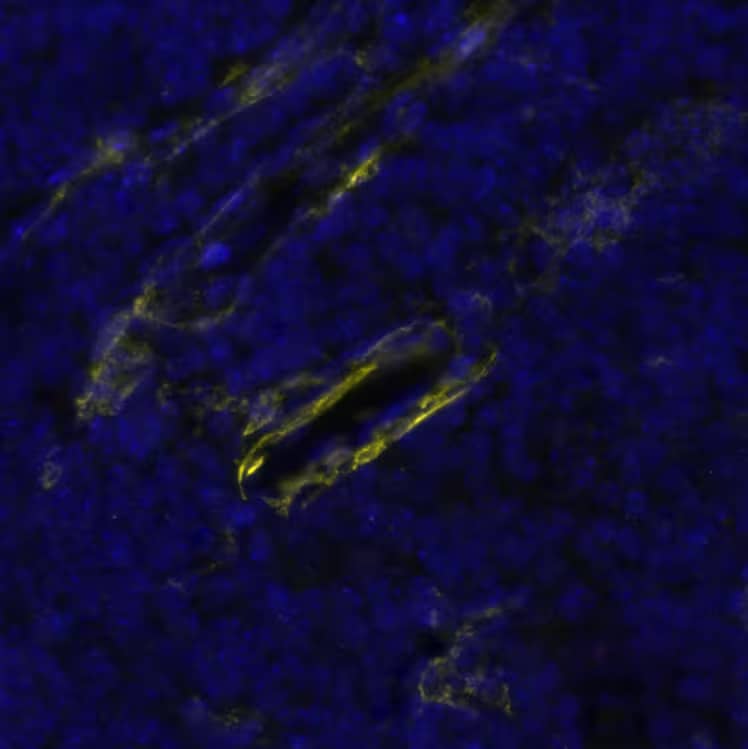
![Immunohistochemistry G-CSF Antibody (67604) [Unconjugated]](https://images.novusbio.com/images/mab414_mouse-g-csf-mab-clone-67604-immunohistochemistry-12122025815500.jpg)
![Bioactivity GM-CSF [Unconjugated]](https://images.novusbio.com/images/protein/7954-gmcf_recombinant-human-gm-csf-cho-expressed-protein-cf-bioactivity-272020121514.jpg)
![SEC-MALS IL-3 [Unconjugated]](https://images.novusbio.com/images/203-il_recombinant-human-il-3-protein-sec-mals-133202482656..jpg)
![Bioactivity IL-3 [Unconjugated]](https://images.novusbio.com/images/protein/IL-3_203-IL_347.jpg)
![Data IL-3 [Unconjugated]](https://images.novusbio.com/images/203-il_recombinant-human-il-3-protein-data-253202610550.jpg)
![N/A IL-6 [HRP]](https://images.novusbio.com/images/elisa/DATA_IL6_M6000_ELISA_936.jpg)
![N/A IL-6 [HRP]](https://images.novusbio.com/images/elisa/IL-6_M6000_ELISA_415.jpg)
![N/A IL-6 [HRP]](https://images.novusbio.com/images/m6000b_mouse-il-6-quantikine-elisa-kit-1752025024034.jpg)
![SDS-Page TNF-alpha [Unconjugated]](https://images.novusbio.com/images/protein/TNF-alpha_210-TA_256.jpg)
![Bioactivity TNF-alpha [Unconjugated]](https://images.novusbio.com/images/protein/TNFalpha_210TA_1658.jpg)
![SEC-MALS TNF-alpha [Unconjugated]](https://images.novusbio.com/images/210-ta_recombinant-human-tnf-alpha-protein-sec-mals-35202312244..jpg)
![N/A Erythropoietin/EPO [HRP]](https://images.novusbio.com/images/elisa/Erythropoietin_MEP00_ELISA_421.jpg)
![N/A Erythropoietin/EPO [HRP]](https://images.novusbio.com/images/elisa/DATA_Erythropoietin_MEP00_ELISA_970.jpg)


![Bioactivity CTLA-4 [Unconjugated]](https://images.novusbio.com/images/protein/CTLA4_7268CT_2293.jpg)
![Flow Cytometry G-CSFR/CD114 Antibody (38660) [Unconjugated]](https://images.novusbio.com/images/antibody/mab381_human-g-csf-r-cd114-mab-clone-38660-flow-cytometry-142021122939.jpg)
![Western Blot G-CSFR/CD114 Antibody (38660) [Unconjugated]](https://images.novusbio.com/images/antibody/GCSF_R_MAB381_Western_Blot_12716.jpg)
![Bioactivity IL-2 [Unconjugated]](https://images.novusbio.com/images/202-il_recombinant-human-il-2-protein-bioactivity-174202314946.jpg)
![Bioactivity Thrombopoietin/THPO [Unconjugated]](https://images.novusbio.com/images/protein/288-tpncf_recombinant-human-thrombopoietin-ns0-expressed-protein-cf-bioactivity-272020135047.jpg)
![Bioactivity IL-4 [Unconjugated]](https://images.novusbio.com/images/protein/6507-ilcf_recombinant-human-il-4-cho-expressed-protein-cf-bioactivity-272020133214.jpg)
![Bioactivity IL-1 beta/IL-1F2 [Unconjugated]](https://images.novusbio.com/images/protein/IL-1_beta_201-LB_306.jpg)
![SDS-Page IL-1 beta/IL-1F2 [Unconjugated]](https://images.novusbio.com/images/protein/IL-1_beta_201-LB_304.jpg)
![SEC-MALS IL-1 beta/IL-1F2 [Unconjugated]](https://images.novusbio.com/images/201-lb_recombinant-human-il-1-beta-il-1f2-protein-sec-mals-123202491556.jpg)
![N/A IL-10 [Biotin]](https://images.novusbio.com/images/elisa/DATA_IL10_DY417_ELISA_2014.jpg)