![Immunohistochemistry-Paraffin: MS4A1/CD20 Antibody (E17-P) [NBP1-30144] - CD20 expression in b-lymphocytes of the palatine tonsil. Formalin fixed, paraffin embedded human tissues (4 um sections) stained with anti- CD20 monospecific clonal antibody](http://images.novusbio.com/fullsize/MS4A1-CD20-Antibody-E17-P-Immunohistochemistry-Paraffin-NBP1-30144-img0004.jpg "Immunohistochemistry-Paraffin: MS4A1/CD20 Antibody (E17-P) [NBP1-30144] - CD20 expression in b-lymphocytes of the palatine tonsil. Formalin fixed, paraffin embedded human tissues (4 um sections) stained with anti- CD20 monospecific clonal antibody")
| Additional Information | Recombinant Monoclonal Antibody. |
| Immunogen | Peptide derived from C-terminal sequence of human CD20. Antibody recognizes the epitope between Pro283 - Ser295. |
| Epitope | Pro283 - Ser295 |
| Specificity | This antibody is specific for the C-terminus of CD20. |
| Isotype | IgG |
| Clonality | Monoclonal |
| Host | Rabbit |
| Gene | MS4A1 |
| Purity | Immunogen affinity purified |
| Innovator's Reward | Test in a species/application not listed above to receive a full credit towards a future purchase. |
| Dilutions |
|
|
| Publications |
|
| Storage | Store at 4C. Do not freeze. |
| Buffer | 20mM Tris-HCl (pH 8.0) and 20mg/ml BSA |
| Preservative | 0.05% Sodium Azide |
| Purity | Immunogen affinity purified |

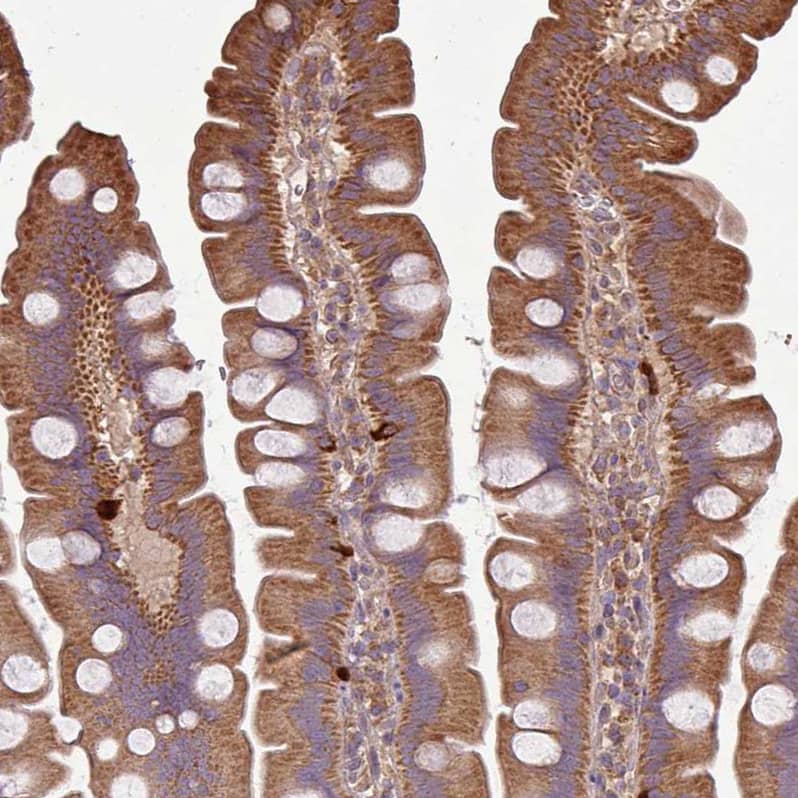
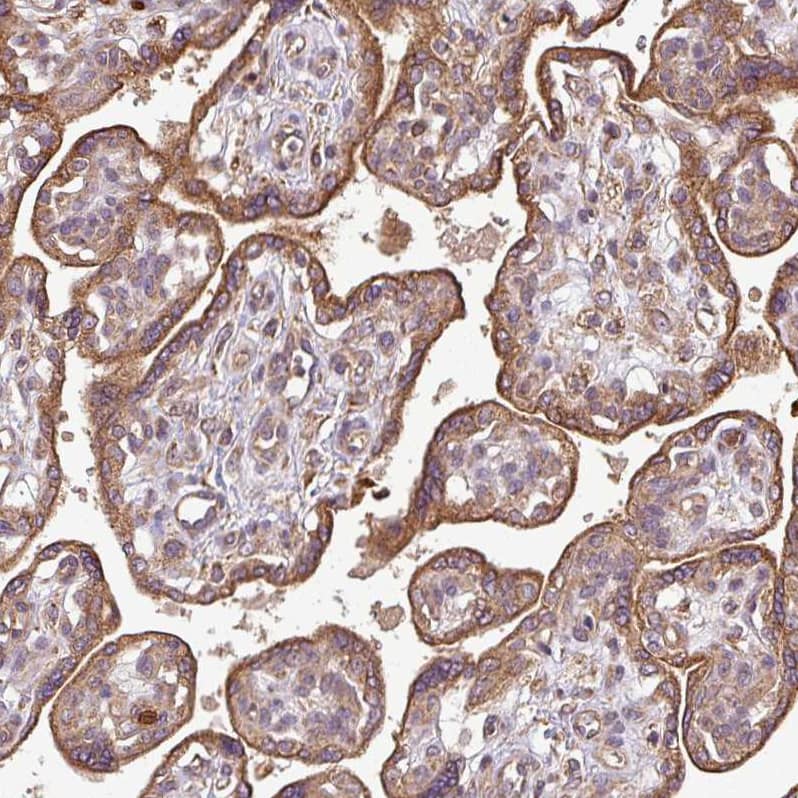


![Western Blot RFC1 Antibody [Unconjugated]](https://images.novusbio.com/images/antibody/RFC1_AF6457_Western_Blot_9874.jpg)


| Publication using NBP1-30144 | Applications | Species |
|---|---|---|
| Shao Y, Lo Cm, Ling Cc et al. Regulatory B cells accelerate hepatocellular carcinoma progression via CD40/CD154 signaling pathway. Cancer Lett. 2014-10-06 [PMID: 25301451] (IHC-P) | IHC-P |
Secondary Antibodies |
Isotype Controls |
Research Areas for CD20 Antibody (NBP1-30144)Find related products by research area.
|
|
Unlocking the Potential of Biosimilars in Immuno-Oncology By Jennifer Jones, M.S.Biosimilar Antibodies: Imitation Meets InnovationIn the ever-evolving medical landscape, a new class of pharmaceuticals is emerging as a game-changer, poised to transform the way we approach... Read full blog post. |
|
Antigen-loss relapse after successful CAR-T therapy; What do we do now? By Jacqueline Carrico, BS, MD Tumor cell mechanisms driving tolerance to CAR-T Despite very promising results of CAR-T therapy in acute lymphoblastic leukemia, B-ALL, antigen-loss relapse has arisen as a major chall... Read full blog post. |
|
CD20 (Cluster of differentiation 20, Membrane-spanning 4-domains subfamily A member 1 (MS4A1), CVID5, B-lymphocyte surface antigen B1) CD20 is a human B-lymphocyte surface molecule that spans the membrane four times and is expressed on both normal and malignant cells. The CD20 antigen displays a unique expression pattern among hematopoietic cells - it is present on human pre B-ly... Read full blog post. |
The concentration calculator allows you to quickly calculate the volume, mass or concentration of your vial. Simply enter your mass, volume, or concentration values for your reagent and the calculator will determine the rest.


![Immunohistochemistry-Paraffin: MS4A1/CD20 Antibody (E17-P) [NBP1-30144] - Chronic lymphocytic leukaemia cells in the bone marrow biopsy, showing CD20 expression.Formalin fixed, paraffin embedded human tissues (4 um sections) stained with anti- CD20 monospecific clonal antibody.](http://images.novusbio.com/fullsize/MS4A1-CD20-Antibody-E17-P-Immunohistochemistry-Paraffin-NBP1-30144-img0003.jpg "Immunohistochemistry-Paraffin: MS4A1/CD20 Antibody (E17-P) [NBP1-30144] - Chronic lymphocytic leukaemia cells in the bone marrow biopsy, showing CD20 expression.Formalin fixed, paraffin embedded human tissues (4 um sections) stained with anti- CD20 monospecific clonal antibody.")
![Bioactivity CTLA-4 [Unconjugated]](https://images.novusbio.com/images/protein/CTLA4_7268CT_2293.jpg)


![Immunohistochemistry Neprilysin/CD10 Antibody [Unconjugated]](https://images.novusbio.com/images/antibody/Neprilysin_AF1126_Immunohistochemistry_6679.jpg)
![Immunohistochemistry Neprilysin/CD10 Antibody [Unconjugated]](https://images.novusbio.com/images/antibody/af1126_mouse-neprilysin-affinity-purified-polyclonal-ab-immunohistochemistry-7520268331.png)
![N/A Neprilysin/CD10 Antibody [Unconjugated]](https://images.novusbio.com/images/antibody/af1126_mouse-neprilysin-affinity-purified-polyclonal-ab-7520268433.png)
![Immunohistochemistry CD45 Antibody [Unconjugated]](https://images.novusbio.com/images/antibody/CD45_AF114_Immunohistochemistry_23525.jpg)
![Immunocytochemistry CD45 Antibody [Unconjugated]](https://images.novusbio.com/images/antibody/af114_mouse-cd45-affinity-purified-polyclonal-ab-immunocytochemistry-6122021145449.jpg)


![SDS-Page TNF-alpha [Unconjugated]](https://images.novusbio.com/images/protein/TNF-alpha_210-TA_256.jpg)
![Bioactivity TNF-alpha [Unconjugated]](https://images.novusbio.com/images/protein/TNFalpha_210TA_1658.jpg)
![SEC-MALS TNF-alpha [Unconjugated]](https://images.novusbio.com/images/210-ta_recombinant-human-tnf-alpha-protein-sec-mals-35202312244..jpg)