| Reactivity | HuSpecies Glossary |
| Applications | AC |
| Description | A Human ATG7 antibody blocking peptide Source: Synthetic (Accession #: O95352) Store vial at -20C prior to opening. Aliquot contents and freeze at -20C or below for extended storage. Avoid cycles of freezing and thawing. Centrifuge product if not completely clear after standing at room temperature. This product is stable for several weeks at 4C as an undiluted liquid. Dilute only prior to immediate use. |
| Source | Synthetic |
| Protein/Peptide Type | Antibody Blocking Peptide |
| Gene | ATG7 |
| Purity | >95% |
| Dilutions |
|
| Application Notes | This product should be used at 1.0 ug per 1.0 ul of antiserum in per assay. |
| Storage | Store at -20C short term. Aliquot and store at -80C long term. Avoid freeze-thaw cycles. |
| Buffer | 0.02 M Potassium Phosphate, 0.15 M Sodium Chloride, pH 7.2 |
| Preservative | No Preservative |
| Purity | >95% |




![Intracellular Staining by Flow Cytometry AKT [p Ser473] Antibody [Unconjugated] - Pan Specific](https://images.novusbio.com/images/antibody/Akt3_AF887_Flow_Cytometry_8283.jpg)
![Western Blot AKT [p Ser473] Antibody [Unconjugated] - Pan Specific](https://images.novusbio.com/images/af887_phospho-akt-s473-pan-specific-affinity-purified-pab-41202410485440.jpg)
![Western Blot AKT [p Ser473] Antibody [Unconjugated] - Pan Specific](https://images.novusbio.com/images/af887_phospho-akt-s473-pan-specific-affinity-purified-pab-8120255552843.jpg)

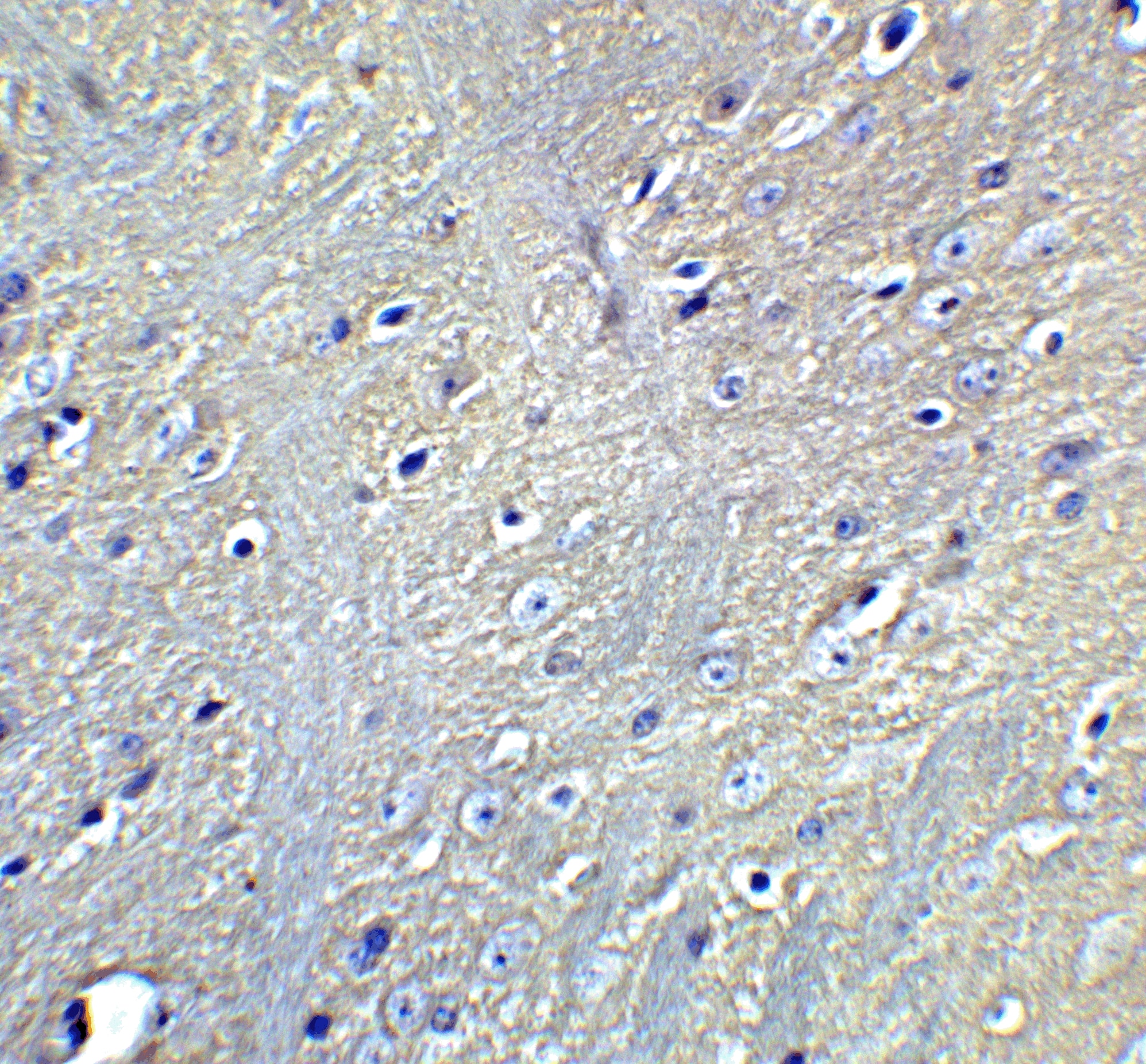
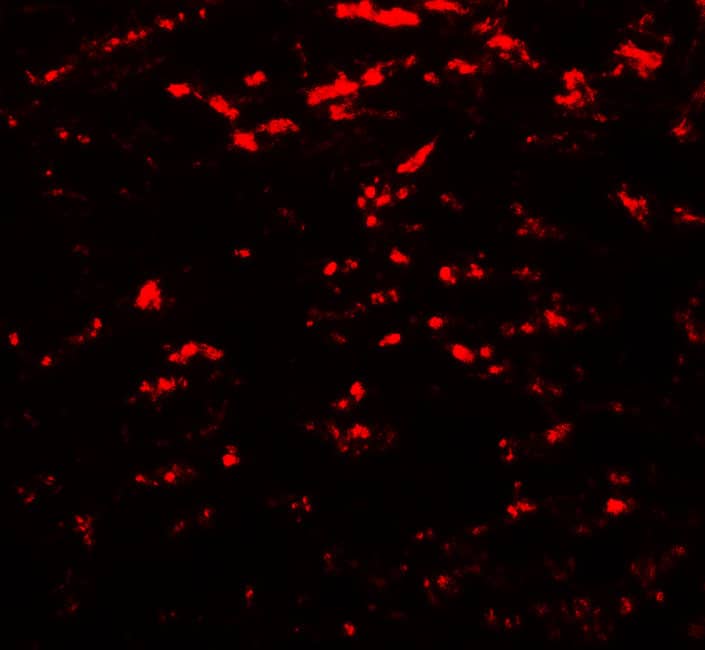
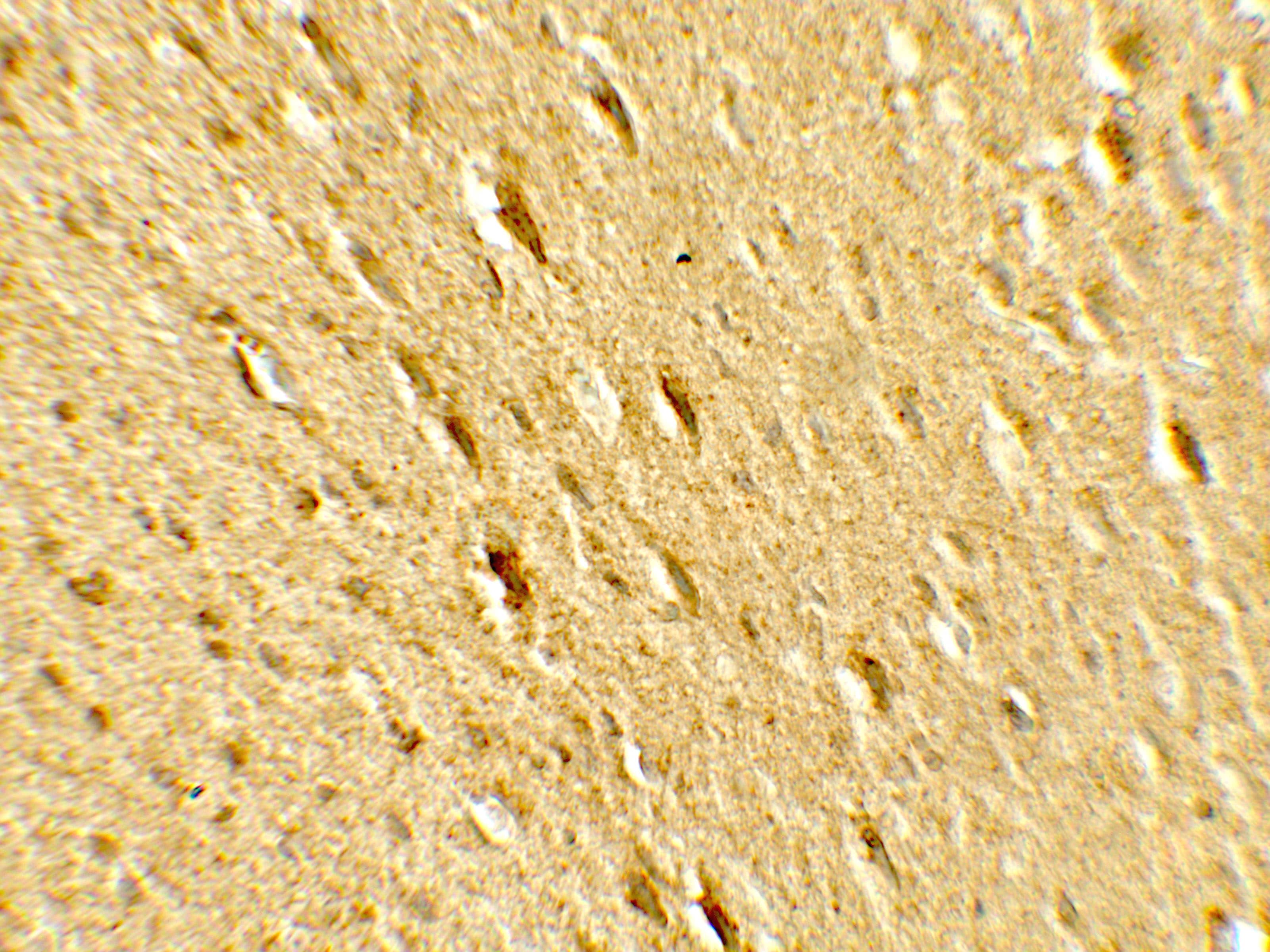
Research Areas for ATG7 Protein (NBP1-96759)Find related products by research area.
|
|
Liver ASK1 activates autophagy to protect against hepatic fat accumulation, non-alcoholic steatohepatitis and fibrosis By Jamshed Arslan, Pharm. D., PhD. The most common chronic liver disorder worldwide is non-alcoholic fatty liver disease (NAFLD). This obesity-linked disorder can manifest as hepatic fat accumulation (steatosis) wit... Read full blog post. |
|
Read full blog post. |
|
Read full blog post. |
|
Read full blog post. |
|
Animal Models to Study Autophagy By Christina Towers, PhD What is autophagy?Autophagy is the catabolic process that degrades cytoplasmic material via the lysosome. The process of macroautophagy was originally characterized in yeast, where the... Read full blog post. |
|
Monitoring Autophagy in Neurons By Christina Towers, PhD. Autophagy is a critical cellular process used by most cells in the body to recycle nutrients and prevent harmful buildup of damaged proteins. It is particularly important in the brain, where ... Read full blog post. |
|
Autophagy independent roles of the core ATG proteins By Christina Towers, PhD. Autophagy and ATG ProteinsAutophagy is a nutrient recycling process that cells use to fuel metabolism, particularly in response to nutrient deprivation. It is critical for removal of dam... Read full blog post. |
|
Nuclear LC3: Why is it there and what is it doing? By Christina Towers, PhD. Cells use the complex process of autophagy to degrade and recycle cytoplasmic material. There are over 20 proteins that have been implicated in this process and appropriately named core ... Read full blog post. |
|
From Then ‘till Now: The History of Autophagy and Cancer Research By Christina Towers, PhD. The fundamental process that cells use to degrade damaged cytoplasmic material and recycle nutrients is called autophagy. This term was first coined by the Belgium biochemist Christian de... Read full blog post. |
|
ATG4B - a cysteine protease involved in autophagosome elongation Autophagy can be broken down into 4 main stages: phagophore nucleation, autophagosome elongation, autophagosome docking and fusion with a lysosome, and vesicle breakdown and degradation. ATG4B is one of four ATG4 homologs (ATG4A, ATG4B, ATG4C, and ... Read full blog post. |
The concentration calculator allows you to quickly calculate the volume, mass or concentration of your vial. Simply enter your mass, volume, or concentration values for your reagent and the calculator will determine the rest.


![Immunohistochemistry TOR/mTOR [p Ser2448] Antibody - BSA Free](https://images.novusbio.com/images/nb600-607_rabbit-polyclonal-tor-mtor-p-ser2448-antibody-235202318143142.jpg)
![Western Blot TOR/mTOR [p Ser2448] Antibody - BSA Free](https://images.novusbio.com/images/nb600-607_rabbit-polyclonal-tor-mtor-p-ser2448-antibody-31020241535647.jpg)
![Data TOR/mTOR [p Ser2448] Antibody - BSA Free](https://images.novusbio.com/images/TOR-mTOR-[p-Ser2448]-Antibody-N-A-NB600-607-img0008.jpg)




![Immunohistochemistry Insulin Antibody (182410) [Unconjugated]](https://images.novusbio.com/images/antibody/mab1417_human-bovine-mouse-insulin-mab-clone-182410-immunohistochemistry-308202115145.jpg)
![Immunocytochemistry Insulin Antibody (182410) [Unconjugated]](https://images.novusbio.com/images/antibody/Insulin_MAB1417_Immunocytochemistry_9376.jpg)


![Immunohistochemistry Caspase-3 Antibody [Unconjugated] - Active](https://images.novusbio.com/images/af835_human-mouse-active-caspase-3-affinity-purified-pab-41202410331943.jpg)
![Western Blot Caspase-3 Antibody [Unconjugated] - Active](https://images.novusbio.com/images/af835_human-mouse-active-caspase-3-affinity-purified-pab-812025554170.jpg)
![Western Blot Caspase-3 Antibody [Unconjugated] - Active](https://images.novusbio.com/images/af835_human-mouse-active-caspase-3-affinity-purified-pab-8120255534731.jpg)