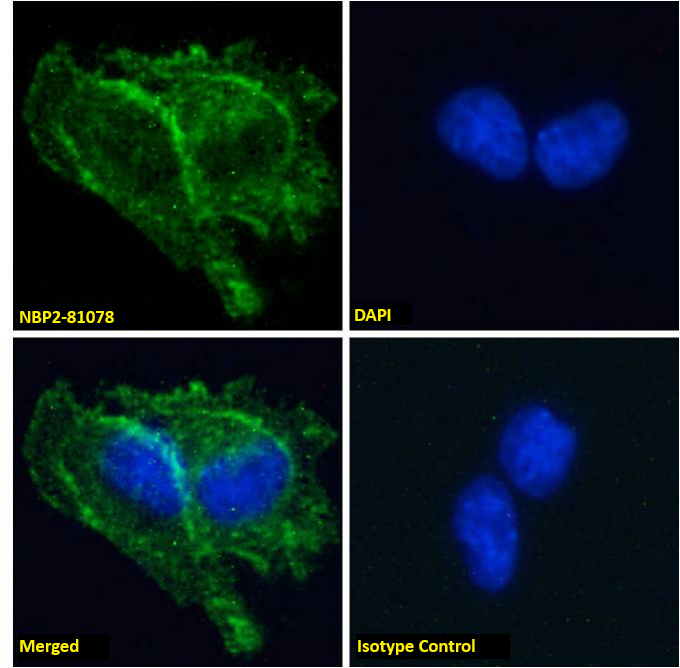
| Reactivity | HuSpecies Glossary |
| Applications | AC |
| Concentration | 0.2 mg/ml |
| Description | A blocking peptide containing 15 amino acids near the carboxy terminus of human APP. Source: Synthetic (Accession #: CAA30050) |
| Source | Synthetic |
| Protein/Peptide Type | Antibody Blocking Peptide |
| Gene | APP |
| Purity | N/A |
| Dilutions |
|
| Application Notes | This peptide is useful as a blocking peptide for NBP1-76910. For further blocking peptide related protocol, click here. |
| Storage | Store at -20C. Avoid freeze-thaw cycles. |
| Buffer | PBS pH 7.2 (10 mM NaH2PO4, 10 mM Na2HPO4, 130 mM NaCl) containing 0.1% bovine serum albumin. |
| Preservative | 0.02% Sodium Azide |
| Concentration | 0.2 mg/ml |
| Purity | N/A |


![Immunohistochemistry-Paraffin Tau [p Thr181] Antibody - BSA Free](https://images.novusbio.com/images/Tau-[p-Thr181]-Antibody-Immunohistochemistry-Paraffin-NB100-82245-img0005.jpg)
![Simple Western Tau [p Thr181] Antibody - BSA Free](https://images.novusbio.com/images/Tau-[p-Thr181]-Antibody-Simple-Western-NB100-82245-img0004.jpg)
![Western Blot Tau [p Thr181] Antibody - BSA Free](https://images.novusbio.com/images/Tau-[p-Thr181]-Antibody-Western-Blot-NB100-82245-img0001.jpg)



![Western Blot RFC1 Antibody [Unconjugated]](https://images.novusbio.com/images/antibody/RFC1_AF6457_Western_Blot_9874.jpg)


Research Areas for APP Peptide (NBP1-76910PEP)Find related products by research area.
|
|
HIV-associated neurocognitive disorders involve extracellular Nef-induced modification of lipid rafts and redistribution of Alzheimer’s disease-related proteins Jamshed Arslan, Pharm D, PhD Cholesterol is an essential part of animal cell membranes. Cholesterol-rich lipid rafts maintain the fluidity and protein trafficking of plasma membranes. Cellular ABCA1 protein moves cho... Read full blog post. |
|
Mechanisms of Neurodegeneration: Protein aggregation and failure of autophagy By Michalina Hanzel, PhDIn a series of three blog posts I will briefly explore the major cellular mechanisms responsible for many neurodegenerative disorders. The first, and perhaps the most apparent, is the accumulat... Read full blog post. |
|
Losing memory: Toxicity from mutant APP and amyloid beta explain the hippocampal neuronal damage in Alzheimer's disease By Jamshed Arslan Pharm.D. Alzheimer's disease (AD) is an irreversible brain disorder that destroys memory and thinking skills. The telltale signs of AD brains are extracellular deposits of amy... Read full blog post. |
|
Lysosomal Dysfunction is Linked to Exosomal Secretion By Christina Towers, PhD. Lysosomal Dysfunction and DiseaseLysosomes are highly acidic organelles that are critical for cellular function and indispensable for degradative pathways like autophagy and endocytosis.... Read full blog post. |
|
Immunity’s flipside: Microglia promote Alzheimer’s pathology during inflammation By Jamshed Arslan Pharm.D. Microglia are brain's macrophages. In Alzheimer's disease (AD), microglia clear up protein aggregates called amyloid beta plaques. The connection between immune activation and AD is unclea... Read full blog post. |
|
The C99 fragment of amyloid precursor protein (APP) Alzheimer’s Disease (AD) is a neurodegenerative disorder that is characterized by an abundance of the beta-amyloid peptide in the brain. When AD was first discovered, it was determined that beta-amyloid was produced as a result of the prote... Read full blog post. |
|
Beta Amyloid (MOAB2) and the link between traumatic brain injury and Alzheimer’s disease An epidemiological association between traumatic brain injury (TBI) and Alzheimer's disease (AD) has long been established. Interestingly, an increase in beta amyloid (one hallmark of AD) directly following TBI has been observed. In fact, it h... Read full blog post. |
|
Niemann Pick-C1 and cholesterol dynamics Niemann-Pick type C1 (NPC1) mediates low-density cholesterol transport from late endosomes and lysosomes to other areas of the cell via receptor mediation endocytosis. Although cholesterol moves freely inside the cell, it cannot independently expo... Read full blog post. |
|
FANCD2 and DNA damage repair Fanconi anemia (FA) is a genetically inherited disorder that yields cytogenetic instability, hypersensitivity to DNA crosslinking compounds and defective DNA repair. A variety of genes have been identified within the FA pathway that are referred t... Read full blog post. |
|
Beta Amyloid Neurotoxicity and Alzheimer's Disease A major histopathological hallmark of Alzheimer's disease (AD) is the presence of amyloid deposits in the parenchyma of the amygdala, hippocampus, and neocortex. The principal component of amyloid is beta amyloid (AB). The pathologic accumulation of A... Read full blog post. |
The concentration calculator allows you to quickly calculate the volume, mass or concentration of your vial. Simply enter your mass, volume, or concentration values for your reagent and the calculator will determine the rest.
| Gene Symbol | APP |


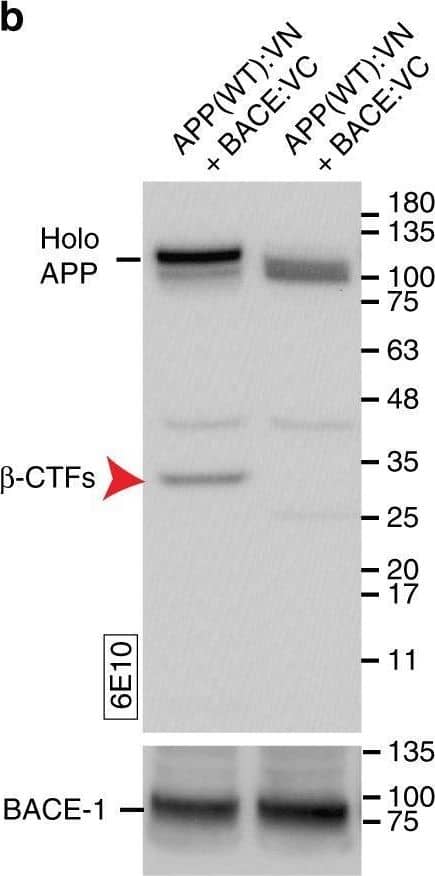
![SDS-Page TNF-alpha [Unconjugated]](https://images.novusbio.com/images/protein/TNF-alpha_210-TA_256.jpg)
![Bioactivity TNF-alpha [Unconjugated]](https://images.novusbio.com/images/protein/TNFalpha_210TA_1658.jpg)
![SEC-MALS TNF-alpha [Unconjugated]](https://images.novusbio.com/images/210-ta_recombinant-human-tnf-alpha-protein-sec-mals-35202312244..jpg)
![Bioactivity GM-CSF [Unconjugated]](https://images.novusbio.com/images/protein/7954-gmcf_recombinant-human-gm-csf-cho-expressed-protein-cf-bioactivity-272020121514.jpg)


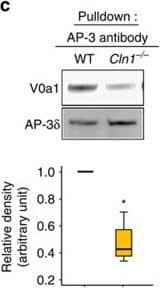
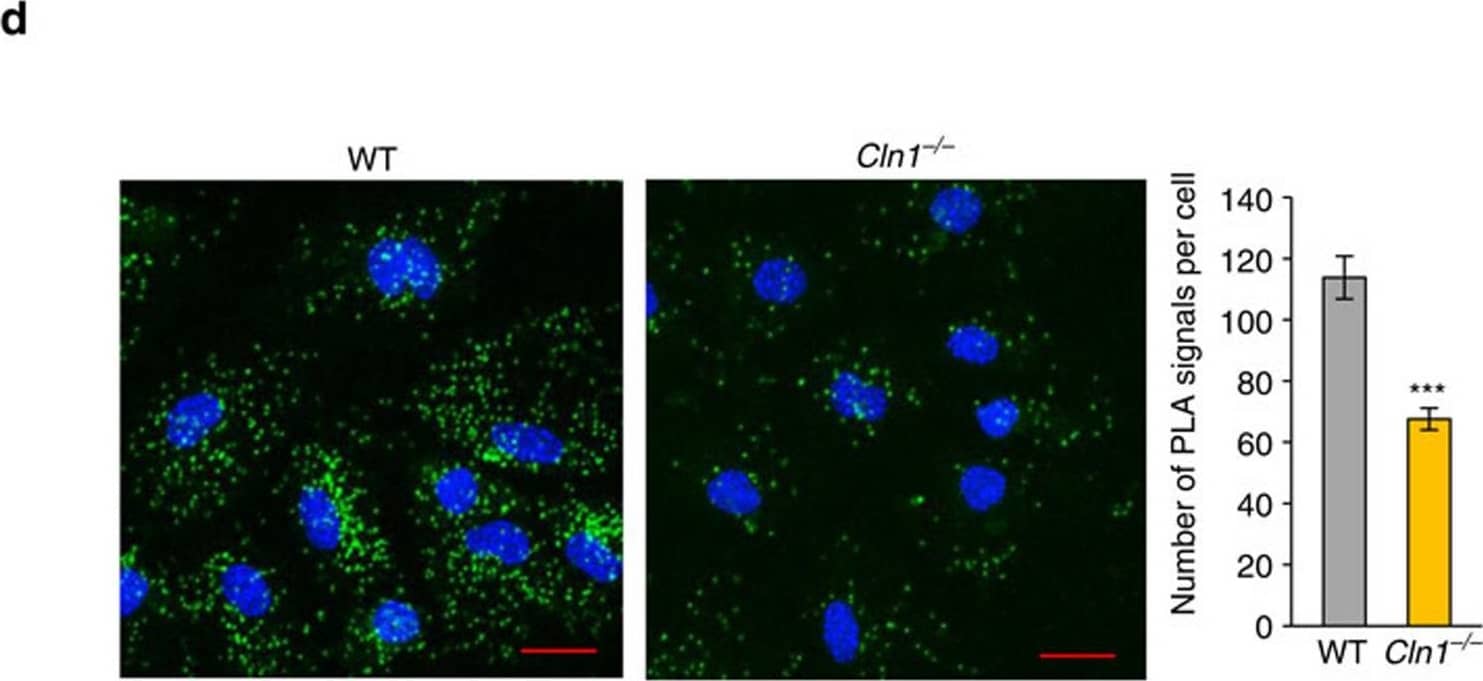
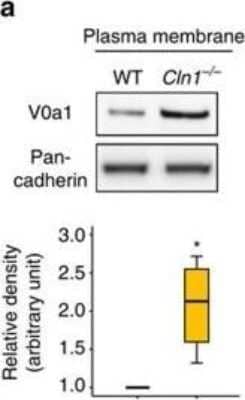
![N/A IL-6 [HRP]](https://images.novusbio.com/images/elisa/DATA_IL6_M6000_ELISA_936.jpg)
![N/A IL-6 [HRP]](https://images.novusbio.com/images/elisa/IL-6_M6000_ELISA_415.jpg)
![N/A IL-6 [HRP]](https://images.novusbio.com/images/m6000b_mouse-il-6-quantikine-elisa-kit-1752025024034.jpg)
![Immunohistochemistry Caspase-3 Antibody [Unconjugated] - Active](https://images.novusbio.com/images/af835_human-mouse-active-caspase-3-affinity-purified-pab-41202410331943.jpg)
![Western Blot Caspase-3 Antibody [Unconjugated] - Active](https://images.novusbio.com/images/af835_human-mouse-active-caspase-3-affinity-purified-pab-812025554170.jpg)
![Western Blot Caspase-3 Antibody [Unconjugated] - Active](https://images.novusbio.com/images/af835_human-mouse-active-caspase-3-affinity-purified-pab-8120255534731.jpg)