| Reactivity | HuSpecies Glossary |
| Applications | WB, IHC |
| Clonality | Polyclonal |
| Host | Sheep |
| Conjugate | Alexa Fluor 488 |
| Immunogen | Chinese hamster ovary cell line CHO-derived recombinant human ST6 Gal Sialyltransferase 2/ST6GAL2 Glu243-Ser529 Accession # Q96JF0 |
| Specificity | Detects human ST6 Gal Sialyltransferase 2/ST6GAL2 in direct ELISAs and Western blots. In direct ELISAs, approximately 10% cross‑reactivity with recombinant human ST6GAL1 is observed. |
| Isotype | IgG |
| Clonality | Polyclonal |
| Host | Sheep |
| Purity Statement | Antigen Affinity-purified |
| Innovator's Reward | Test in a species/application not listed above to receive a full credit towards a future purchase. |
| Storage | Protect from light. Do not freeze. 12 months from date of receipt, 2 to 8 °C as supplied |
| Buffer | Supplied 0.2 mg/mL in a saline solution containing BSA and Sodium Azide. |
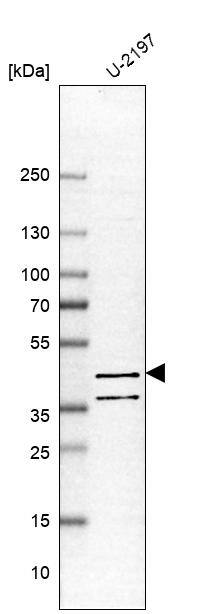
ST6GAL2 (Sialyltransferase 2; also beta -galactoside alpha -2,6 Sialyltransferase 2) is a 60-62 kDa member of the glycosyltransferase 29 family of enzymes. It has restricted expression, likely being found in neurons and bronchial eipthelium. ST6GAL2 transfers sialic acid from CMP-Neu5Ac to a galactose that is linked to N‑Aceylglucosamine through a beta 1-4 linkage (Gal beta 1-4GlcNac). This transfer will occur when the target motif is found either on select glycoproteins or free oligosaccharides. Notably, the kinetics of this enzyme suggest additional biological functions other than sialic acid transfer. Human ST6GAL2 is a 529 amino acid (aa) type II transmembrane Golgi protein. It contains an 11 aa N‑terminal cytoplasmic region and a 497 aa luminal domain (aa 33-529). The luminal domain possesses an L motif that binds CMP-Sialic acid (aa 296-343), an S motif that binds CMP-Sialic acid and galactose (aa 444-458) and a VS motif that is involved with the enzyme's catalytic activity (aa 483-488). There is some evidence that ST6GAL2 may form homodimers. There is one splice variant that shows a 26 aa substitution for aa 441‑529. Over aa 243-529, human ST6GAL2 shares 88% aa sequence identity with mouse ST6GAL2.
![Western Blot Carbohydrate Sulfotransferase 4/CHST4 Antibody [Unconjugated]](https://images.novusbio.com/images/antibody/Carbohydrate_Sulfotransferase_4_AF5357_Western_Blot_5696.jpg)
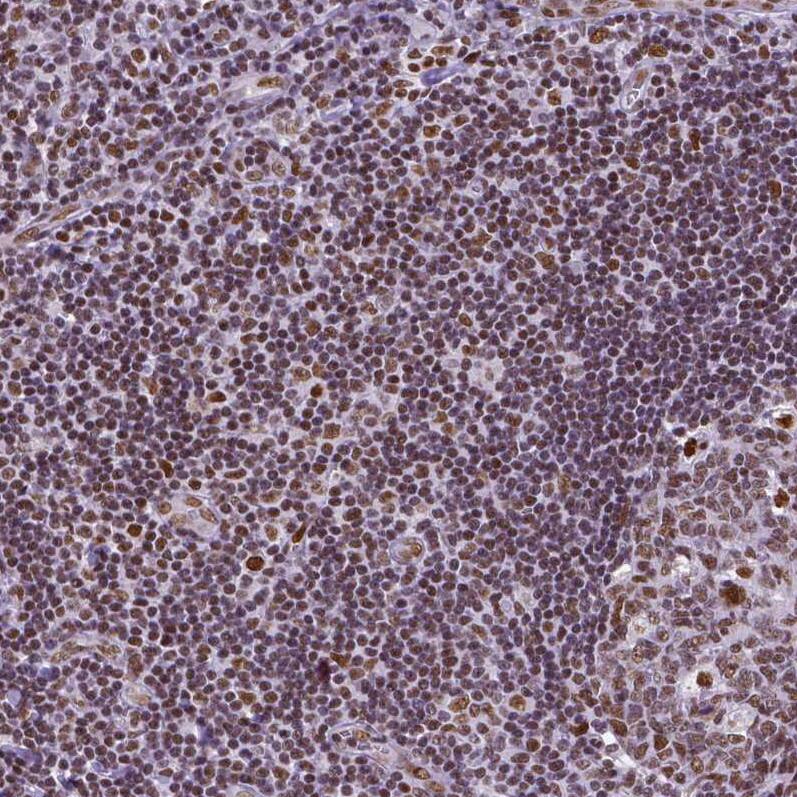
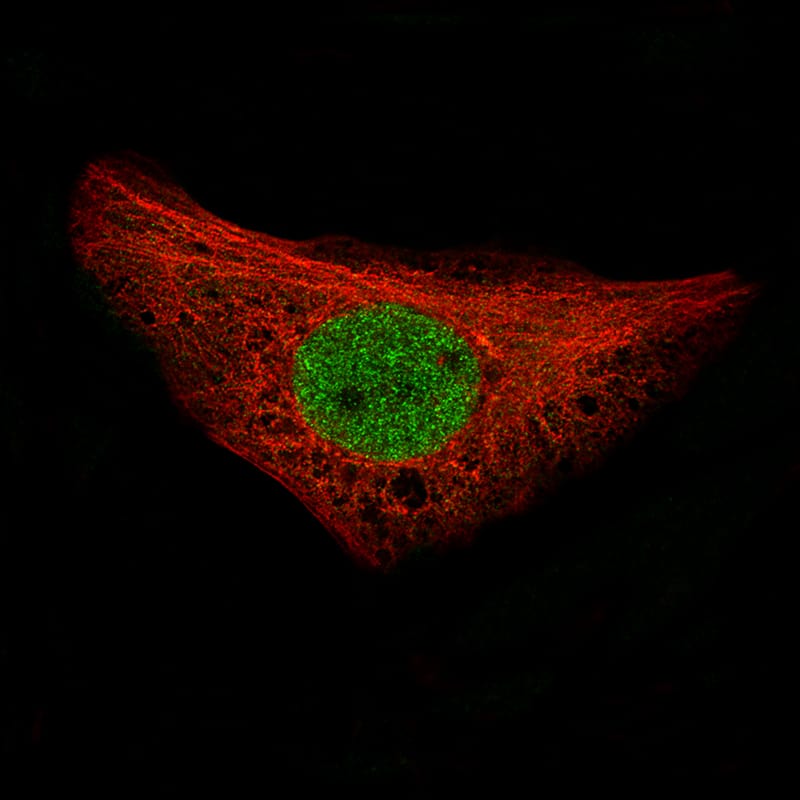
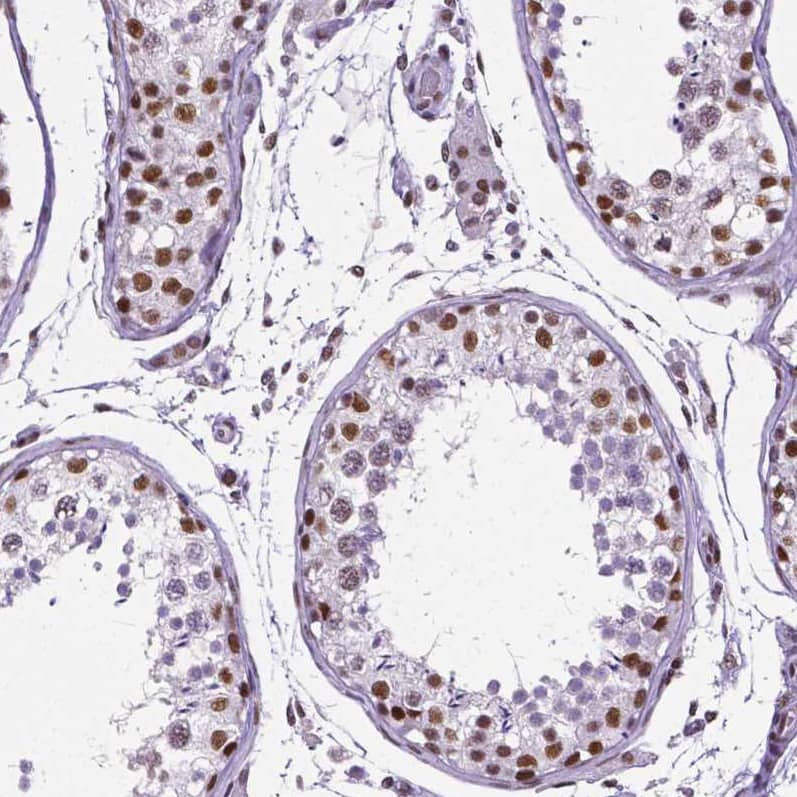


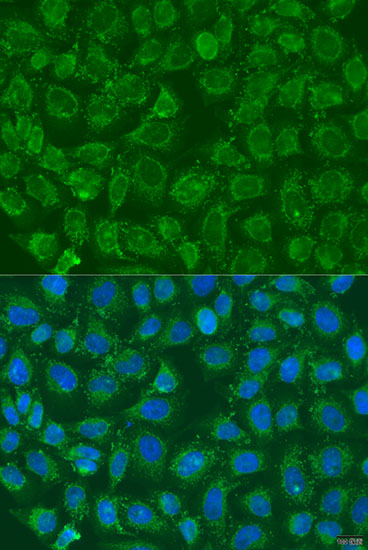


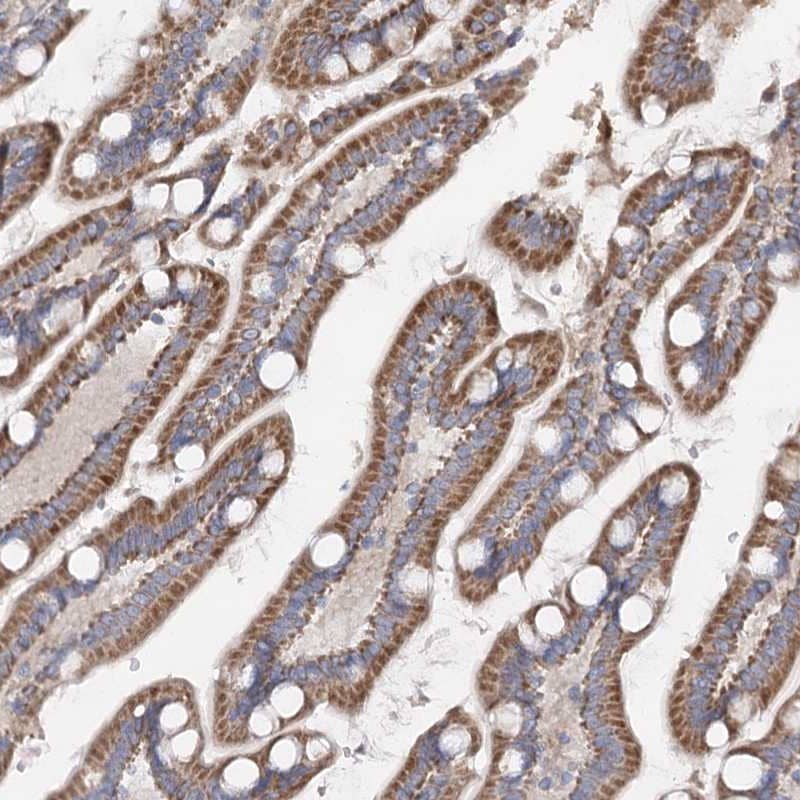
![Immunocytochemistry Fucosyltransferase 11/FUT11 Antibody [Unconjugated]](https://images.novusbio.com/images/antibody/af5964_human-fut11-affinity-purified-polyclonal-ab-immunocytochemistry-1392023181758..jpg)
![Western Blot Fucosyltransferase 11/FUT11 Antibody [Unconjugated]](https://images.novusbio.com/images/antibody/Fucosyltransferase_11_AF5964_Western_Blot_5892.jpg)
![Immunocytochemistry Fucosyltransferase 11/FUT11 Antibody [Unconjugated]](https://images.novusbio.com/images/antibody/Fucosyltransferase_11_AF5964_Immunocytochemistry_10321.jpg)


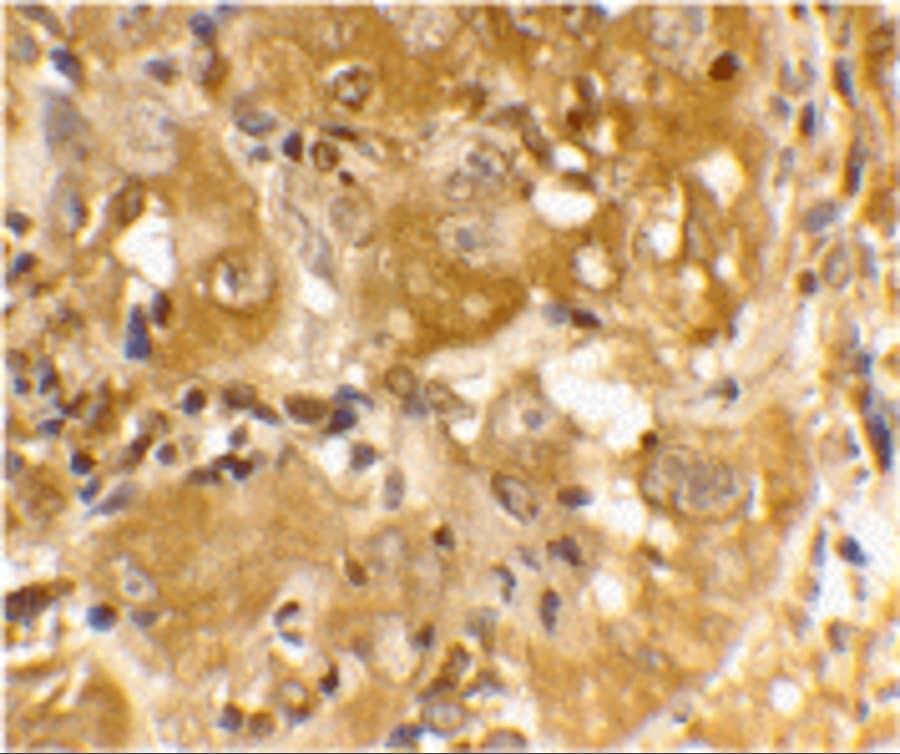

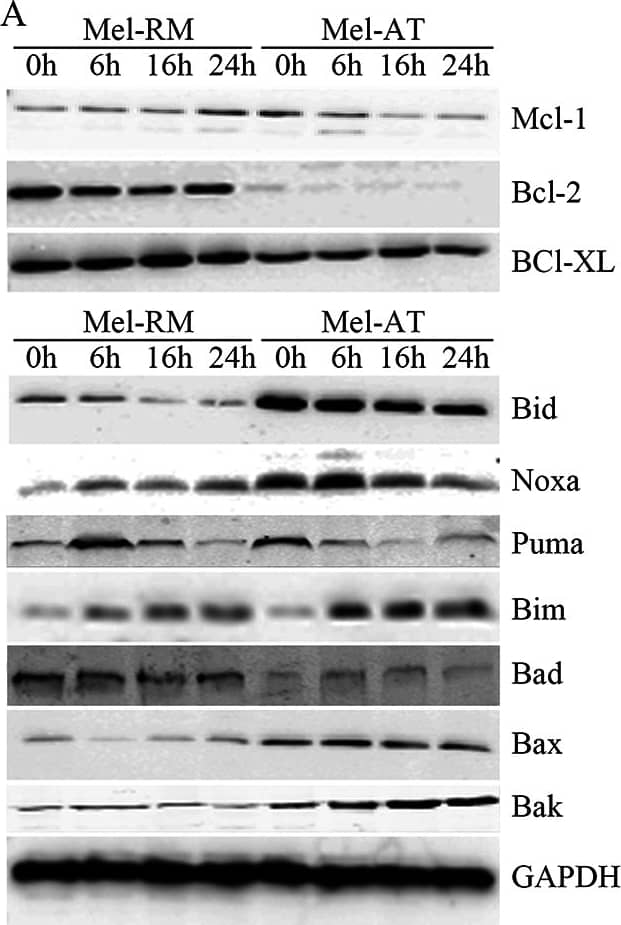




Secondary Antibodies |
Isotype Controls |
The concentration calculator allows you to quickly calculate the volume, mass or concentration of your vial. Simply enter your mass, volume, or concentration values for your reagent and the calculator will determine the rest.
| Uniprot |
|


![Western Blot ST6 Gal Sialyltransferase 1/ST6GAL1/CD75 Antibody [Unconjugated]](https://images.novusbio.com/images/af5924_human-st6gal1-affinity-purified-polyclonal-ab-2282024173312.jpg)
![Western Blot ST6 Gal Sialyltransferase 1/ST6GAL1/CD75 Antibody [Unconjugated]](https://images.novusbio.com/images/af5924_human-st6gal1-affinity-purified-polyclonal-ab-41202412403513.jpg)
![Immunohistochemistry ST6 Gal Sialyltransferase 1/ST6GAL1/CD75 Antibody [Unconjugated]](https://images.novusbio.com/images/antibody/af5924_human-st6gal1-affinity-purified-polyclonal-ab-immunohistochemistry-1062021152132.jpg)
![N/A IL-6 [HRP]](https://images.novusbio.com/images/elisa/DATA_IL6_M6000_ELISA_936.jpg)
![N/A IL-6 [HRP]](https://images.novusbio.com/images/elisa/IL-6_M6000_ELISA_415.jpg)
![N/A IL-6 [HRP]](https://images.novusbio.com/images/m6000b_mouse-il-6-quantikine-elisa-kit-1752025024034.jpg)
![Immunocytochemistry/ Immunofluorescence CFTR Antibody (24-1) [Unconjugated] - C-terminus](https://images.novusbio.com/images/mab25031_human-cftr-c-terminus-mab-clone-24-1-4120241251381.jpg)
![Immunohistochemistry CFTR Antibody (24-1) [Unconjugated] - C-terminus](https://images.novusbio.com/images/antibody/CFTR_MAB25031_Immunohistochemistry_6973.jpg)
![Western Blot CFTR Antibody (24-1) [Unconjugated] - C-terminus](https://images.novusbio.com/images/mab25031_human-cftr-c-terminus-mab-clone-24-1-41202412512653.jpg)
![Immunocytochemistry SPARC Antibody [Unconjugated]](https://images.novusbio.com/images/antibody/SPARC_AF942_Immunocytochemistry__Immunofluorescence_23321.jpg)
![Intracellular Staining by Flow Cytometry SPARC Antibody [Unconjugated]](https://images.novusbio.com/images/antibody/af942_mouse-sparc-affinity-purified-polyclonal-ab-intracellular-staining-by-flow-cytometry-22122020141853.jpg)
![Immunohistochemistry SPARC Antibody [Unconjugated]](https://images.novusbio.com/images/antibody/SPARC_AF942_Immunohistochemistry_10419.jpg)
![Bioactivity CTLA-4 [Unconjugated]](https://images.novusbio.com/images/protein/CTLA4_7268CT_2293.jpg)

![N/A Thrombospondin-2 [HRP]](https://images.novusbio.com/images/elisa/DATA_Thrombospondin2_DTSP20_ELISA_861.jpg)
![N/A Thrombospondin-2 [HRP]](https://images.novusbio.com/images/elisa/Thrombospondin-2_DTSP20_ELISA_200.jpg)
![N/A Thrombospondin-2 [HRP]](https://images.novusbio.com/images/elisa/DATA_Thrombospondin2_DTSP20_ELISA_860.jpg)


![Western Blot EBF-1 Antibody [Unconjugated]](https://images.novusbio.com/images/af5165_human-mouse-ebf-1-affinity-purified-polyclonal-ab-41202412403559.jpg)
![Western Blot EBF-1 Antibody [Unconjugated]](https://images.novusbio.com/images/af5165_human-mouse-ebf-1-affinity-purified-polyclonal-ab-41202412403592.jpg)
![Western Blot EBF-1 Antibody [Unconjugated]](https://images.novusbio.com/images/af5165_human-mouse-ebf-1-affinity-purified-polyclonal-ab-41202412403519.jpg)