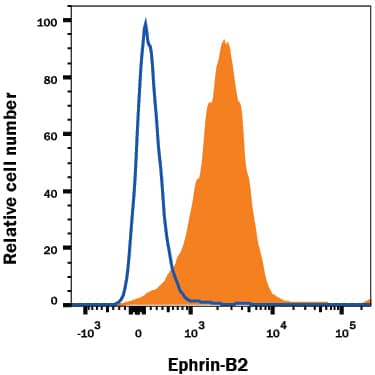
AB-108-C, open histogram), followed by Phycoerythrin-conjugated Anti-Goat IgG Secondary Antibody (Catalog # F0107)." title="K562 human chronic myelogenous leukemia cell line was stained with Goat Anti-Human IL-17 RC Antigen Affinity-purified Polyclonal Antibody (Catalog # AF2269, filled histogram) or control antibody (Catalog # AB-108-C, open histogram), followed by Phycoerythrin-conjugated Anti-Goat IgG Secondary Antibody (Catalog # F0107)." />
| Reactivity | HuSpecies Glossary |
| Applications | WB, Flow, CyTOF-ready |
| Clonality | Polyclonal |
| Host | Goat |
| Conjugate | Unconjugated |
| Concentration | LYOPH |
| Immunogen | Mouse myeloma cell line NS0-derived recombinant human IL‑17 RC Leu21-Ala454 Accession # NP_116121 |
| Specificity | Detects human IL-17 RC in direct ELISAs and Western blots. In direct ELISAs, approximately 20% cross-reactivity with recombinant mouse IL-17 RC and 5% cross-reactivity with recombinant human (rh) IL-17 R, rhIL-17 RD, and rhIL‑17B R is observed. |
| Source | N/A |
| Isotype | IgG |
| Clonality | Polyclonal |
| Host | Goat |
| Gene | IL17RC |
| Purity Statement | Antigen Affinity-purified |
| Innovator's Reward | Test in a species/application not listed above to receive a full credit towards a future purchase. |
| Dilutions |
|
|
| Publications |
|
| Storage | Use a manual defrost freezer and avoid repeated freeze-thaw cycles.
|
| Buffer | Lyophilized from a 0.2 μm filtered solution in PBS with Trehalose. *Small pack size (SP) is supplied either lyophilized or as a 0.2 µm filtered solution in PBS. |
| Preservative | No Preservative |
| Concentration | LYOPH |
| Reconstitution Instructions | Reconstitute at 0.2 mg/mL in sterile PBS. |
IL-17 receptor C (IL-17 RC; also known as IL-17 RL and IL-17 Rhom) is an 85-110 kDa member of the IL-17 receptor family. This is one of five families that currently comprise the cytokine receptor superfamily (1-6). At this time, there are five members within the IL-17 receptor family, and these are termed IL-17 RA, B, C, D, and E. Not all receptors appear to bind known members of the IL-17 cytokine family. To date, IL-17 RA is reported to bind IL-17(A), while IL-17 RB is reported to bind IL‑17B and IL-17E (2, 4). Human IL-17 RC is a type I transmembrane glycoprotein that is expressed on a variety of nonhematopoietic cell types. These include endothelial cells (6, 7), chondrocytes and osteoblasts (8), breast and prostatic epithelium (6), and fibroblasts, plus renal tubular epithelium and skeletal muscle cells (8, 9). Full-length IL-17 RC is synthesized as a 791 amino acid (aa) precursor (10, 11). It contains a 20 aa signal sequence, a 518 aa extracellular domain (ECD) (aa 21‑538), a 21 aa transmembrane segment, and a 232 aa cytoplasmic region. Although IL-17 RA has two fibrinogen-like regions in its ECD that contribute to its function, no such architecture has been identified in the ECD of IL-17 RC (12). Based on studies looking at exon deletions, a key ligand-binding site would appear to exist over aa 425-441 (13). The gene for human IL-17 RC contains 19 exons. It is estimated that there are over 90 alternative splice forms, with transmembrane‑containing isoforms predominating (6, 14). The full-length isoform is estimated to occur approximately 10% of the time, while the three most common isoforms, as a group, occur about 50% of the time. Based on limited information, alternative splicing appears to regulate ligand specificity (13). R&D Systems IL‑17 RC corresponds to IL-17 RC isoform # 3, which shows deletions of aa 36-106 and 264-278 relative to the full-length form (10). Over the ECD, IL‑17 RC isoform #3 is 68% aa identical to mouse IL‑17 RC ECD. IL-17 RC is the cognate receptor for IL-17F, and binds IL-17A with similar affinity (13). With IL‑17 RA, it forms a definitive receptor for both IL-17A and IL-17F. The stoichiometry is unclear; it may form a heterodimer with IL-17 RA, or a heterotrimer with a preexisting IL‑17 RA homodimer (4, 9, 13, 15). The heteromeric nature of the receptor may be important given that the predominant form of the IL-17 cytokine is now considered to be an IL-17A:IL-17F heterodimer (4).


![Western Blot EphB2 Antibody [Unconjugated]](https://images.novusbio.com/images/af467_human-mouse-ephb2-affinity-purified-polyclonal-ab-41202410485412.jpg)
![Immunohistochemistry EphB2 Antibody [Unconjugated]](https://images.novusbio.com/images/antibody/EphB2_AF467_Immunohistochemistry_20369.jpg)
![Western Blot EphB2 Antibody [Unconjugated]](https://images.novusbio.com/images/antibody/EphB2_AF467_Western_Blot_21511.jpg)


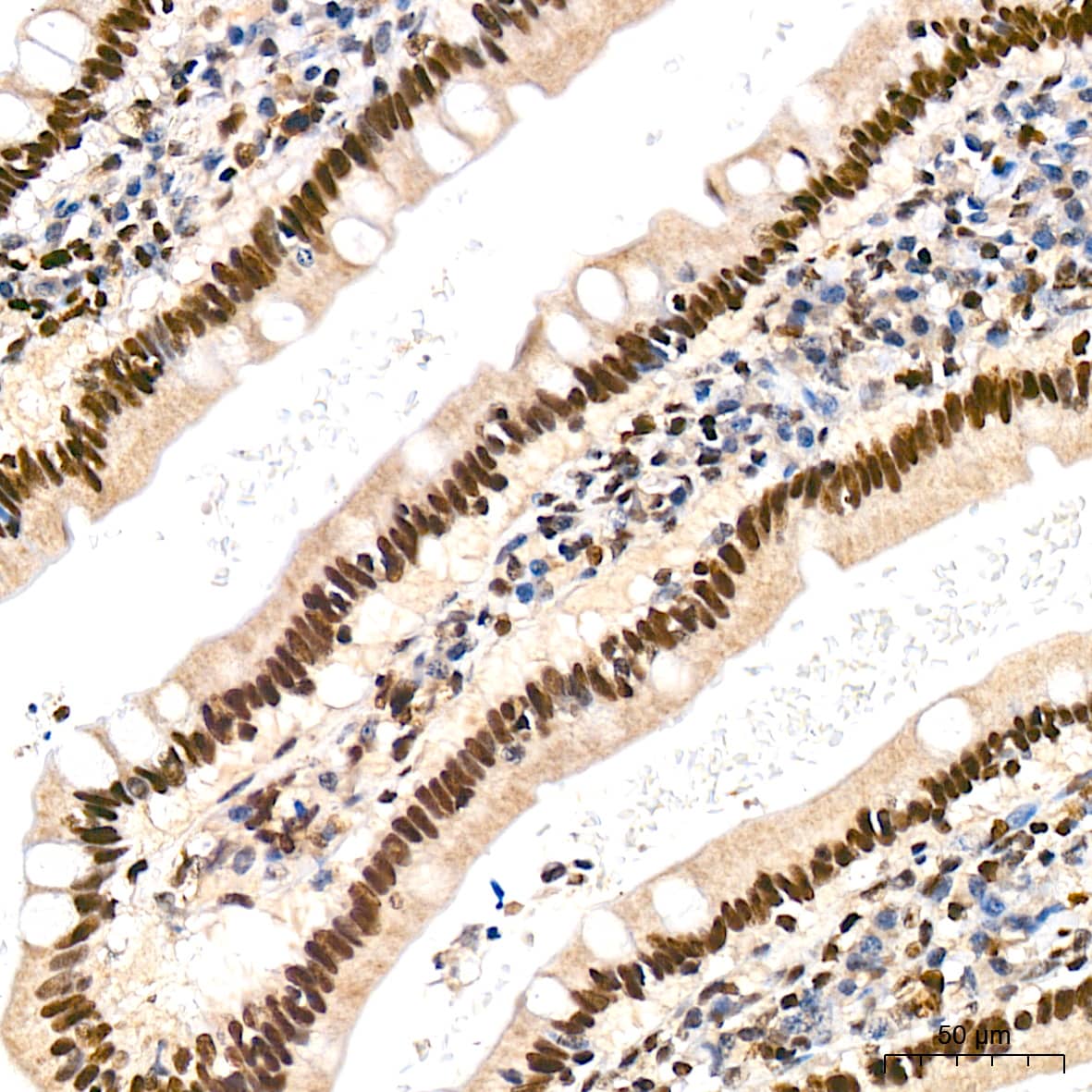

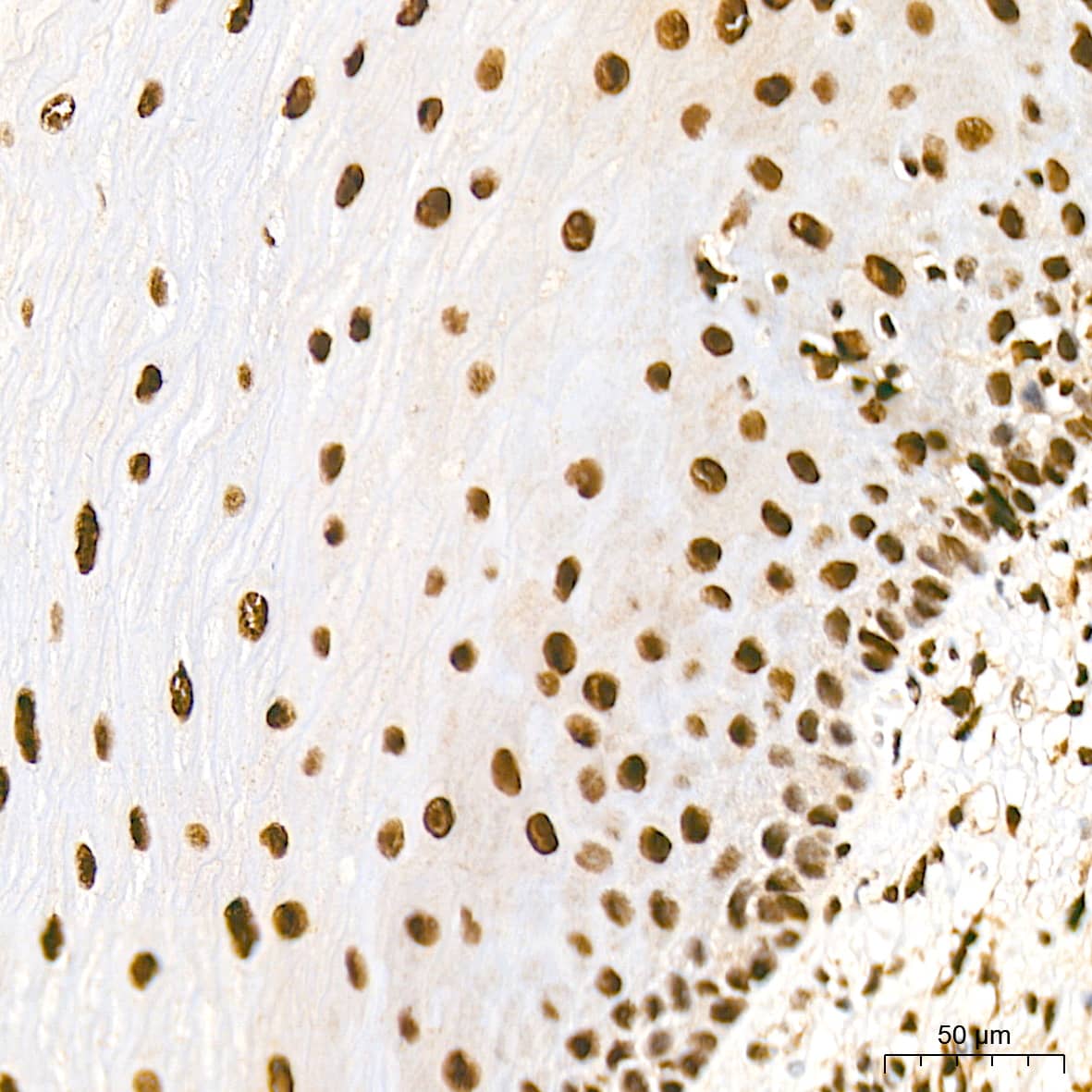

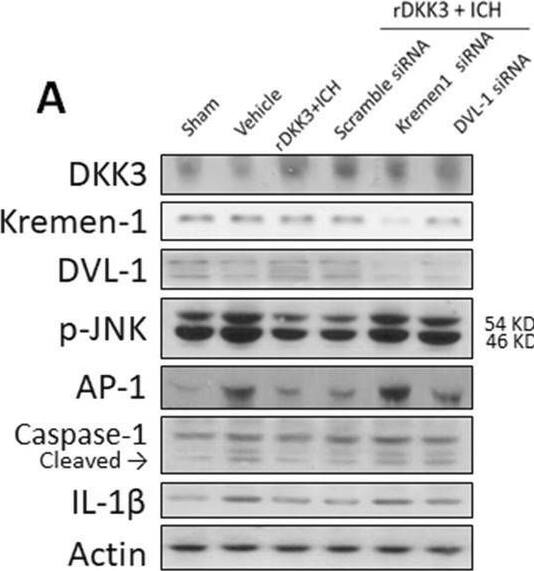

Secondary Antibodies |
Isotype Controls |
The concentration calculator allows you to quickly calculate the volume, mass or concentration of your vial. Simply enter your mass, volume, or concentration values for your reagent and the calculator will determine the rest.


![Neutralization IL-17RA/IL-17R Antibody (133617) [Unconjugated]](https://images.novusbio.com/images/antibody/IL17_RA_MAB177_Block_Neutralize_15487.jpg)
![Flow Cytometry IL-17RA/IL-17R Antibody (133617) [Unconjugated]](https://images.novusbio.com/images/antibody/IL17_RA_MAB177_CyTOFready_23136.jpg)
![Knockout Validated IL-17RA/IL-17R Antibody (133617) [Unconjugated]](https://images.novusbio.com/images/antibody/IL17_RA_MAB177_Knockout_Validated_23137.jpg)
![N/A IL-17/IL-17A [Biotin]](https://images.novusbio.com/images/elisa/DATA_IL17_DY421_ELISA_2448.jpg)

![SDS-Page TNF-alpha [Unconjugated]](https://images.novusbio.com/images/protein/TNF-alpha_210-TA_256.jpg)
![Bioactivity TNF-alpha [Unconjugated]](https://images.novusbio.com/images/protein/TNFalpha_210TA_1658.jpg)
![SEC-MALS TNF-alpha [Unconjugated]](https://images.novusbio.com/images/210-ta_recombinant-human-tnf-alpha-protein-sec-mals-35202312244..jpg)
![Western Blot ERK2 Antibody [Unconjugated]](https://images.novusbio.com/images/antibody/ERK2_AF1230_Western_Blot_5097.jpg)
![Knockout Validated ERK2 Antibody [Unconjugated]](https://images.novusbio.com/images/antibody/ERK2_AF1230_Knockout_Validated_22864.jpg)
![Immunohistochemistry ERK2 Antibody [Unconjugated]](https://images.novusbio.com/images/antibody/ERK2_AF1230_Immunohistochemistry_20696.jpg)
![N/A IL-6 [HRP]](https://images.novusbio.com/images/elisa/DATA_IL6_M6000_ELISA_936.jpg)
![N/A IL-6 [HRP]](https://images.novusbio.com/images/elisa/IL-6_M6000_ELISA_415.jpg)
![N/A IL-6 [HRP]](https://images.novusbio.com/images/m6000b_mouse-il-6-quantikine-elisa-kit-1752025024034.jpg)
![Immunocytochemistry/ Immunofluorescence c-jun [p Ser63] Antibody (SY0297)](https://images.novusbio.com/images/c-jun-p-Ser63-Antibody-SY0297-Immunocytochemistry-Immunofluorescence-NBP2-67471-img0006.jpg)
![Western Blot c-jun [p Ser63] Antibody (SY0297)](https://images.novusbio.com/images/c-jun-p-Ser63-Antibody-SY0297-Western-Blot-NBP2-67471-img0008.jpg)
![Western Blot c-jun [p Ser63] Antibody (SY0297)](https://images.novusbio.com/images/c-jun-p-Ser63-Antibody-SY0297-Western-Blot-NBP2-67471-img0009.jpg)
![SEC-MALS IL-23A/IL-23 P19 [Unconjugated]](https://images.novusbio.com/images/1290-il_recombinant-human-il-23-protein-sec-mals-1012202411154..jpg)
![N/A CCL2/JE/MCP-1 [HRP]](https://images.novusbio.com/images/elisa/CCL2_DCP00_ELISA_67.jpg)
![N/A CCL2/JE/MCP-1 [HRP]](https://images.novusbio.com/images/elisa/DATA_CCL2_DCP00_ELISA_633.jpg)
![N/A CCL2/JE/MCP-1 [HRP]](https://images.novusbio.com/images/elisa/DATA_CCL2_DCP00_ELISA_634.jpg)


![FGF basic/FGF2/bFGF [Unconjugated]](/sites/all/modules/enterprise-tech/et_datasheets/images/novus_guarantee.png "FGF basic/FGF2/bFGF [Unconjugated]")