| Reactivity | HuSpecies Glossary |
| Applications | ELISA, Flow, Func |
| Clonality | Monoclonal |
| Host | Human |
| Conjugate | Unconjugated |
| Format | Low Endotoxin, Azide and BSA Free |
| Concentration | LYOPH |
| Description | The heavy chain type is huIgG1, and the light chain type is hukappa. It has a predicted MW of 145.5 kDa. This product is shipped at ambient temperature. Upon receipt, store immediately at -20C or lower for 12 months in a lyophilized state. - 80C for 3 months after reconstitution. Avoid repeated freeze-thaw cycles. Patent #: US20190276521 |
| Additional Information | Recombinant Monoclonal Antibody |
| Immunogen | Haptoglobin |
| Source | CHO |
| Isotype | IgG1 |
| Clonality | Monoclonal |
| Host | Human |
| Gene | HP |
| Purity | Protein A purified |
| Endotoxin Note | < 0.001EU/ug,determined by LAL method. |
| Innovator's Reward | Test in a species/application not listed above to receive a full credit towards a future purchase. |
| Storage | Store at -20C in powder form. Store at -80C once reconstituted. |
| Buffer | Lyophilized from 25mM histidine, 8% sucrose, 0.01% Tween80 (pH6.2) |
| Preservative | No Preservative |
| Concentration | LYOPH |
| Purity | Protein A purified |
| Reconstitution Instructions | Reconstitute with sterile, distilled water to a final concentration of 1 mg/ml. Gently shake to solubilize completely. Do not vortex. |
![Immunohistochemistry Albumin Antibody (188835) [Unconjugated] - Serum](https://images.novusbio.com/images/antibody/Albumin_MAB1455_Immunohistochemistry_23317.jpg)
![Immunocytochemistry Albumin Antibody (188835) [Unconjugated] - Serum](https://images.novusbio.com/images/antibody/Albumin_MAB1455_Immunocytochemistry__Immunofluorescence_17777.jpg)
![Intracellular Staining by Flow Cytometry Albumin Antibody (188835) [Unconjugated] - Serum](https://images.novusbio.com/images/antibody/Albumin_MAB1455_Flow_Cytometry_15110.jpg)
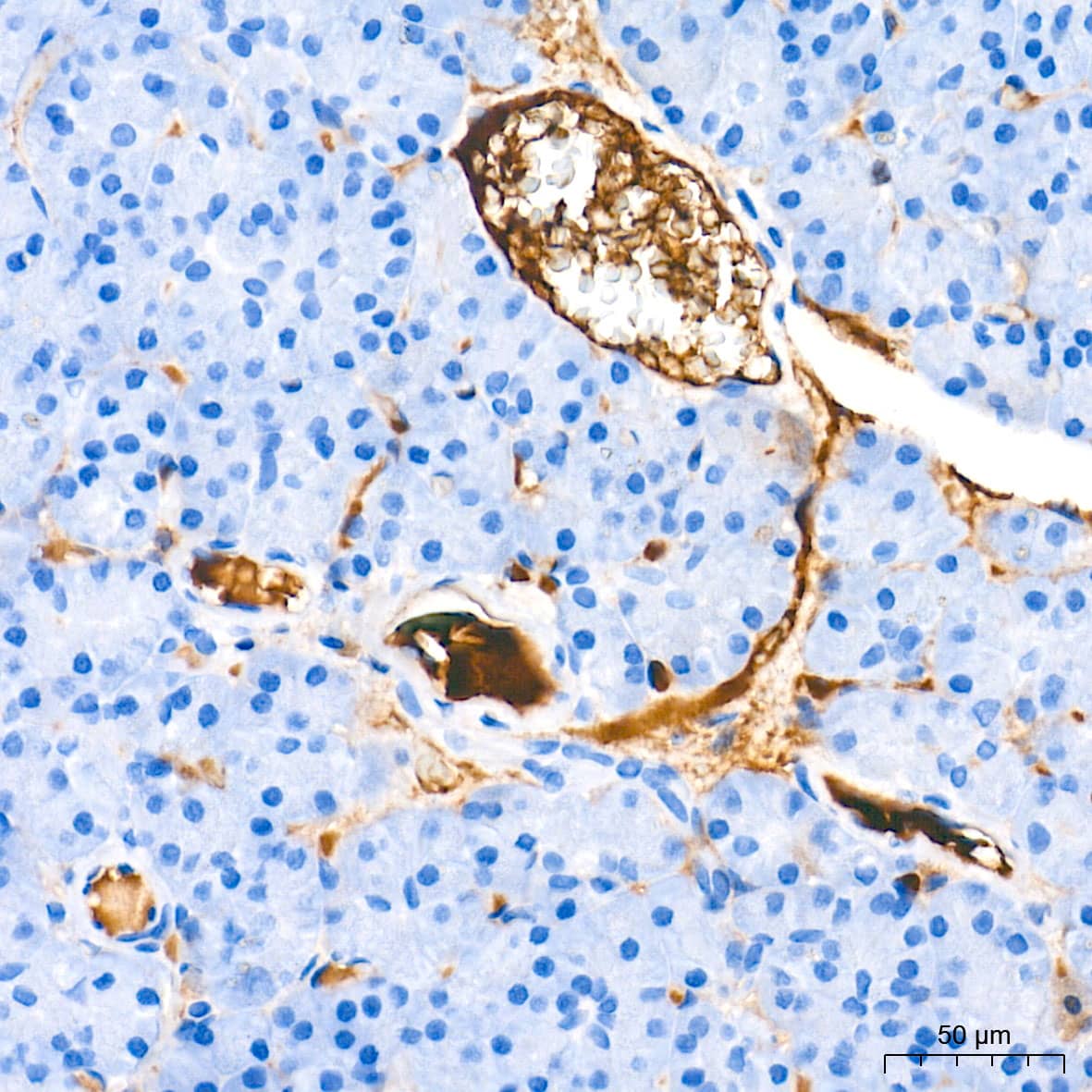
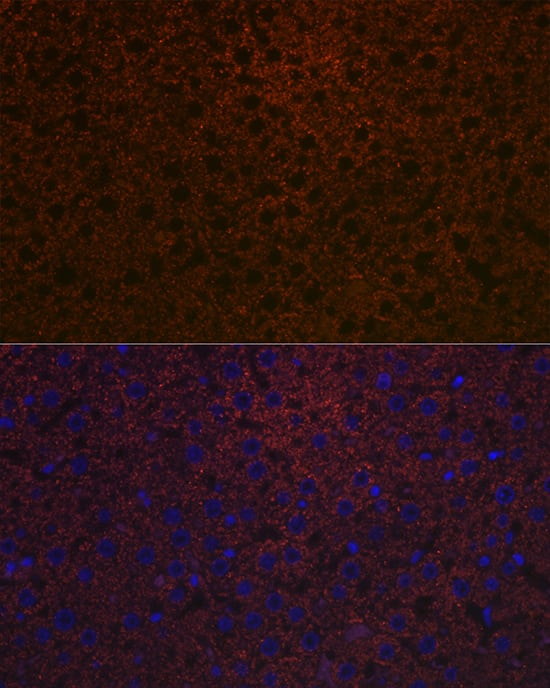
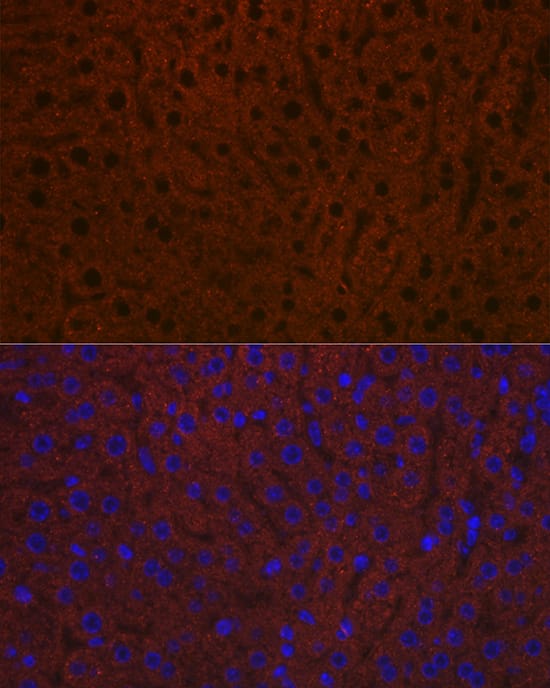


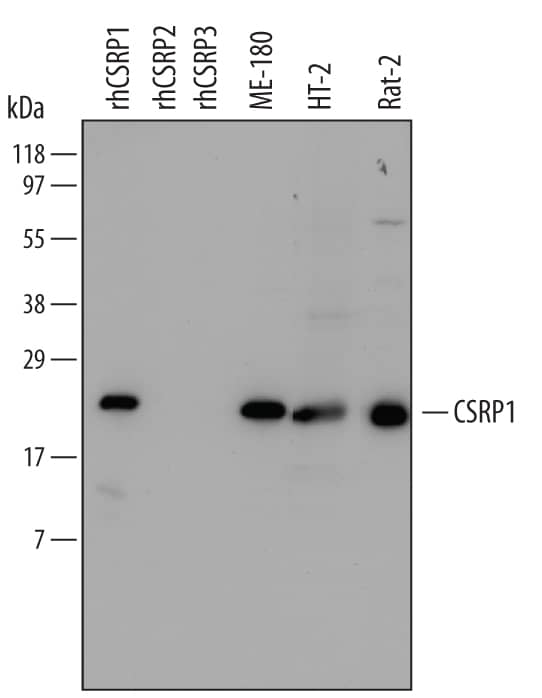


Secondary Antibodies |
Isotype Controls |
Research Areas for Haptoglobin Antibody (NBP3-28166)Find related products by research area.
|
|
Lipopolysaccharide from gut microbiome localizes in human atherosclerotic plaques and promotes TLR4-mediated oxidative stress By Jamshed Arslan, Pharm. D., PhD. Atherosclerosis is a chronic inflammatory condition in which plaques of fats and other substances slowly buildup on the inner walls of arteries to restrict blood flow. In atheroscle... Read full blog post. |
The concentration calculator allows you to quickly calculate the volume, mass or concentration of your vial. Simply enter your mass, volume, or concentration values for your reagent and the calculator will determine the rest.


![Holo-Transferrin [Unconjugated]](/sites/all/modules/enterprise-tech/et_datasheets/images/novus_guarantee.png "Holo-Transferrin [Unconjugated]")
![N/A C-Reactive Protein/CRP [Biotin]](https://images.novusbio.com/images/elisa/DATA_CReactive_Protein_DY1707_ELISA_1701.jpg)
![N/A IL-6 [HRP]](https://images.novusbio.com/images/elisa/DATA_IL6_M6000_ELISA_936.jpg)
![N/A IL-6 [HRP]](https://images.novusbio.com/images/elisa/IL-6_M6000_ELISA_415.jpg)
![N/A IL-6 [HRP]](https://images.novusbio.com/images/m6000b_mouse-il-6-quantikine-elisa-kit-1752025024034.jpg)


![SDS-Page TNF-alpha [Unconjugated]](https://images.novusbio.com/images/protein/TNF-alpha_210-TA_256.jpg)
![Bioactivity TNF-alpha [Unconjugated]](https://images.novusbio.com/images/protein/TNFalpha_210TA_1658.jpg)
![SEC-MALS TNF-alpha [Unconjugated]](https://images.novusbio.com/images/210-ta_recombinant-human-tnf-alpha-protein-sec-mals-35202312244..jpg)
![Immunohistochemistry Insulin Antibody (182410) [Unconjugated]](https://images.novusbio.com/images/antibody/mab1417_human-bovine-mouse-insulin-mab-clone-182410-immunohistochemistry-308202115145.jpg)
![Immunocytochemistry Insulin Antibody (182410) [Unconjugated]](https://images.novusbio.com/images/antibody/Insulin_MAB1417_Immunocytochemistry_9376.jpg)
![Immunocytochemistry Catalase Antibody [Unconjugated]](https://images.novusbio.com/images/antibody/Catalase_AF3398_Immunocytochemistry__Immunofluorescence_19451.jpg)
![Simple Western Catalase Antibody [Unconjugated]](https://images.novusbio.com/images/antibody/Catalase_AF3398_Simple_Western_16990.jpg)
![Immunohistochemistry Serpin A3N Antibody [Unconjugated]](https://images.novusbio.com/images/antibody/af4709_mouse-serpin-a3n-affinity-purified-polyclonal-ab-immunohistochemistry-2362025152035.png)
![Western Blot Serpin A3N Antibody [Unconjugated]](https://images.novusbio.com/images/af4709_mouse-serpin-a3n-affinity-purified-polyclonal-ab-western-blot-121220259313311.jpg)
![N/A IL-10 [Biotin]](https://images.novusbio.com/images/elisa/DATA_IL10_DY417_ELISA_2014.jpg)
![N/A Coagulation Factor III/Tissue Factor [HRP]](https://images.novusbio.com/images/elisa/Coagulation_Factor_III_DCF300_ELISA_61.jpg)
![N/A Coagulation Factor III/Tissue Factor [HRP]](https://images.novusbio.com/images/elisa/DATA_Coagulation_Factor_III_DCF300_ELISA_625.jpg)
![Immunohistochemistry: Goat anti-Human IgG Fc Secondary Antibody [NB7446] - Immune fluorescent photomicrographs of glomeruli from control (A), aflibercept-treated (B–D) & ranibizumab-treated (E–F) monkeys eyes.In all figures, the asterisks label the spaces of the Bowman capsule. A) Kidney sections from the control animal did not show any specific staining with anti-human IgG-Fc antibody in the glomeruli. Only the erythrocytes (arrow) within the capillaries showed a weak fluorescence. B) One day after aflibercept injection, the endothelium cell layer & material within the capillaries of a glomerulus were highly fluorescent (white arrow) after labelling with an antibody against the Fc region of IgG. In an adjacent glomerulus, only the endothelium was stained (white arrowhead) whereas the lumina of the vessels did not contain IgG-Fc positive material (black arrow). C) Erythrocytes within the glomeruli (arrowhead) as well as the endothelium (arrow) were highly fluorescent. D) Seven days after aflibercept injection, the fluorescent material within the capillaries (arrowhead) & the fluorescence intensity of the endothelium became weaker. E) One day after ranibizumab injection, the endothelium cell layer (white arrow) & erythrocytes (arrowhead & black arrow in the inset) were fluorescent after staining with an antibody against human Fab of IgG. F) The specific fluorescence of the endothelium (arrow) & erythrocytes (arrowhead) was nearly lost seven days after injection of ranibizumab. Image collected & cropped by CiteAb from the following publication (https://pubmed.ncbi.nlm.nih.gov/25415380), licensed under a CC-BY license. Not internally tested by Novus Biologicals.](https://images.novusbio.com/images/nb7446_goat-polyclonal-goat-anti-human-igg-fc-secondary-antibody-310202416154630.jpg "Immunohistochemistry: Goat anti-Human IgG Fc Secondary Antibody [NB7446] - Immune fluorescent photomicrographs of glomeruli from control (A), aflibercept-treated (B–D) & ranibizumab-treated (E–F) monkeys eyes.In all figures, the asterisks label the spaces of the Bowman capsule. A) Kidney sections from the control animal did not show any specific staining with anti-human IgG-Fc antibody in the glomeruli. Only the erythrocytes (arrow) within the capillaries showed a weak fluorescence. B) One day after aflibercept injection, the endothelium cell layer & material within the capillaries of a glomerulus were highly fluorescent (white arrow) after labelling with an antibody against the Fc region of IgG. In an adjacent glomerulus, only the endothelium was stained (white arrowhead) whereas the lumina of the vessels did not contain IgG-Fc positive material (black arrow). C) Erythrocytes within the glomeruli (arrowhead) as well as the endothelium (arrow) were highly fluorescent. D) Seven days after aflibercept injection, the fluorescent material within the capillaries (arrowhead) & the fluorescence intensity of the endothelium became weaker. E) One day after ranibizumab injection, the endothelium cell layer (white arrow) & erythrocytes (arrowhead & black arrow in the inset) were fluorescent after staining with an antibody against human Fab of IgG. F) The specific fluorescence of the endothelium (arrow) & erythrocytes (arrowhead) was nearly lost seven days after injection of ranibizumab. Image collected & cropped by CiteAb from the following publication (https://pubmed.ncbi.nlm.nih.gov/25415380), licensed under a CC-BY license. Not internally tested by Novus Biologicals.")