| Reactivity | MuSpecies Glossary |
| Applications | WB, IHC |
| Clone | 765129 |
| Clonality | Monoclonal |
| Host | Rat |
| Conjugate | Alexa Fluor 750 |
| Immunogen | Mouse myeloma cell line NS0-derived recombinant mouse Desmocollin-3 Arg136-Leu695 Accession # P55850 |
| Specificity | Detects mouse Desmocollin-3 in direct ELISAs and Western blots. In direct ELISAs and Western blots, less than 20% cross-reactivity with recombinant human Desmocollin-3 is observed and no cross-reactivity with recombinant mouse (rm) Desmocollin-1 or rmDesm |
| Source | N/A |
| Isotype | IgG2a |
| Clonality | Monoclonal |
| Host | Rat |
| Purity Statement | Protein A or G purified from hybridoma culture supernatant |
| Innovator's Reward | Test in a species/application not listed above to receive a full credit towards a future purchase. |
| Storage | Protect from light. Do not freeze. 12 months from date of receipt, 2 to 8 °C as supplied |
| Buffer | Supplied 0.2 mg/mL in a saline solution containing BSA and Sodium Azide. |
DSC-3 (Desmocollin [Greek for "glue-that-binds"]-3) is a 95-110 kDa member of the Ca++-dependent cadherin family of adhesion molecules. It is found on the surface of stratified epithelial cells, including keratinized and nonkeratinized epithelia of the urinary bladder, vagina, oral cavity and skin. DSC-3 serves as a component of desmosomes, forming a linkage that unites adjacent cells with cytoplasmic intermediate filaments. In particular, in the extracellular space, DSC-3 forms both homotypic and heterotypic interactions with DSG-1 in-trans, and binds to the cytoskeleton intracellularly via plakophilin-3. Mature mouse DSC-3 is a 760 amino acid (aa) type I transmembrane glycoprotein. The mature molecule contains a 560 aa extracellular region with five cadherin domains (aa 136-691), and a 179 aa cytoplasmic domain that possesses three utilized Ser phosphorylation sites. There is one splice variant that shows an eight aa substitution for aa 831-895. Over aa 136-695, mouse DSC-3 shares 79% and 93% aa identity with human and rat DSC-3, respectively.
![Immunohistochemistry Albumin Antibody (188835) [Unconjugated] - Serum](https://images.novusbio.com/images/antibody/Albumin_MAB1455_Immunohistochemistry_23317.jpg)
![Immunocytochemistry Albumin Antibody (188835) [Unconjugated] - Serum](https://images.novusbio.com/images/antibody/Albumin_MAB1455_Immunocytochemistry__Immunofluorescence_17777.jpg)
![Intracellular Staining by Flow Cytometry Albumin Antibody (188835) [Unconjugated] - Serum](https://images.novusbio.com/images/antibody/Albumin_MAB1455_Flow_Cytometry_15110.jpg)




Secondary Antibodies |
Isotype Controls |
The concentration calculator allows you to quickly calculate the volume, mass or concentration of your vial. Simply enter your mass, volume, or concentration values for your reagent and the calculator will determine the rest.
| Uniprot |
|


![Immunohistochemistry Desmoglein-1 Antibody [Unconjugated] - Propeptide](https://images.novusbio.com/images/antibody/Desmoglein-1_AF944_Immunohistochemistry_9801.jpg)


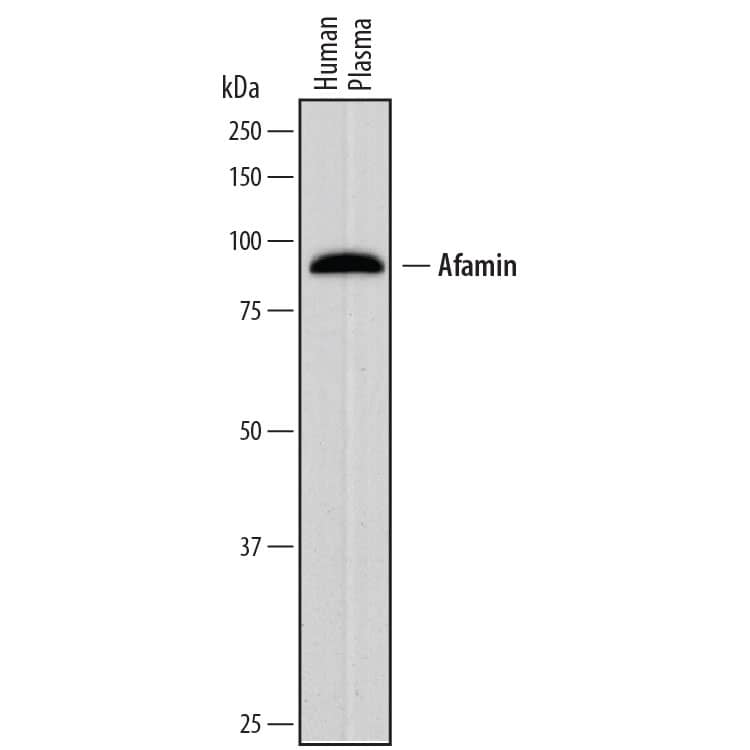
![Immunohistochemistry Desmoglein-2 Antibody [Unconjugated]](https://images.novusbio.com/images/af947_human-desmoglein-2-affinity-purified-polyclonal-ab-immunohistochemistry-12122025923166.jpg)
![Immunocytochemistry/ Immunofluorescence Desmoglein-2 Antibody [Unconjugated]](https://images.novusbio.com/images/af947_human-desmoglein-2-affinity-purified-polyclonal-ab-immunocytochemistry-immunofluorescence-1212202592088.jpg)
![Immunohistochemistry Desmoglein-2 Antibody [Unconjugated]](https://images.novusbio.com/images/af947_human-desmoglein-2-affinity-purified-polyclonal-ab-immunohistochemistry-121220259211118.jpg)


![Immunohistochemistry Thrombomodulin/BDCA-3 Antibody [Unconjugated]](https://images.novusbio.com/images/antibody/Thrombomodulin_AF3894_Immunohistochemistry_24179.jpg)
![Immunocytochemistry Thrombomodulin/BDCA-3 Antibody [Unconjugated]](https://images.novusbio.com/images/antibody/Thrombomodulin_AF3894_Immunocytochemistry__Immunofluorescence_17780.jpg)


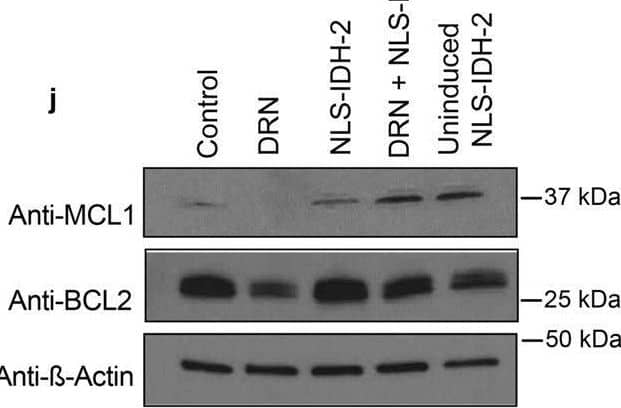

![Immunocytochemistry/ Immunofluorescence VEGFR3/Flt-4 Antibody [Unconjugated]](https://images.novusbio.com/images/af743_mouse-vegf-r3-flt-4-affinity-purified-polyclonal-ab-4120241048546.jpg)
![Immunocytochemistry/ Immunofluorescence VEGFR3/Flt-4 Antibody [Unconjugated]](https://images.novusbio.com/images/af743_mouse-vegf-r3-flt-4-affinity-purified-polyclonal-ab-41202410481128.jpg)
![Immunohistochemistry VEGFR3/Flt-4 Antibody [Unconjugated]](https://images.novusbio.com/images/af743_mouse-vegf-r3-flt-4-affinity-purified-polyclonal-ab-22820241715319.jpg)
![SDS-Page LIGHT/TNFSF14 [Unconjugated]](https://images.novusbio.com/images/protein/LIGHT_664-LI_719.jpg)
![Bioactivity LIGHT/TNFSF14 [Unconjugated]](https://images.novusbio.com/images/protein/LIGHT_664-LI_721.jpg)


![Western Blot: Goat anti-Rat IgG (H+L) Secondary Antibody [HRP] [NB7115] - Detection of DDK in SUSD3 overexpression lysate using anti-DYKDDDDK Epitope Tag antibody (cat.# NBP1-06712) followed by Goat anti-Rat IgG (H+L) Secondary Antibody [HRP]. Image from verified customer review.](https://images.novusbio.com/images/Goat-anti-Rat-IgG-H+L-Secondary-Antibody-HRP-Western-Blot-NB7115-img0005.jpg "Western Blot: Goat anti-Rat IgG (H+L) Secondary Antibody [HRP] [NB7115] - Detection of DDK in SUSD3 overexpression lysate using anti-DYKDDDDK Epitope Tag antibody (cat.# NBP1-06712) followed by Goat anti-Rat IgG (H+L) Secondary Antibody [HRP]. Image from verified customer review.")