| Applications | WB |
| Clonality | Polyclonal |
| Host | Goat |
| Conjugate | Biotin |
| Concentration | LYOPH |
| Immunogen | Mouse myeloma cell line NS0-derived recombinant human BMP‑1/PCP Ala121-Gln730 Accession # NP_001190 |
| Specificity | Detects human BMP‑1/PCP in Western blots. |
| Source | N/A |
| Isotype | IgG |
| Clonality | Polyclonal |
| Host | Goat |
| Gene | BMP1 |
| Purity Statement | Antigen Affinity-purified |
| Innovator's Reward | Test in a species/application not listed above to receive a full credit towards a future purchase. |
| Storage | Use a manual defrost freezer and avoid repeated freeze-thaw cycles.
|
| Buffer | Lyophilized from a 0.2 μm filtered solution in PBS with BSA as a carrier protein. |
| Preservative | No Preservative |
| Concentration | LYOPH |
| Reconstitution Instructions | Reconstitute at 0.2 mg/mL in sterile PBS. |
Bone morphogenetic protein 1 (BMP-1), also known as procollagen C-proteinase (PCP), is a zinc protease of the astacin family (1, 2). BMP-1/PCP plays a key role in formation of extracellular matrix (ECM) by converting precursor proteins into their mature and functional forms. The precursor proteins identified as substrates for BMP-1/PCP include collagens, biglycan, laminin 5, dentin matrix protein-1, and lysyl oxidase (3). There are six alternatively spliced forms known to be derived from the BMP-1 gene, and isoform 1 consisting of residues 1 to 730 was expressed. The secreted and purified protein does not contain the signal peptide (amino acid residues 1‑22) and pro domain (residues 23‑120), but contain protease (residues 121‑321), CUB I (residues 322‑434), CUB II (residues 435‑546), EGF-like (residues 547‑588) and CUB III (residues 591‑703) domains. The pro domain is apparently cleaved by a furin-like proprotein convertase (4). The purified BMP-1/PCP is an active protease and its peptidase activity can be determined as described above. The purified BMP-1/PCP is predicted to possess procollagen C-proteinase activity because it contains the minimal domain structure required (5).


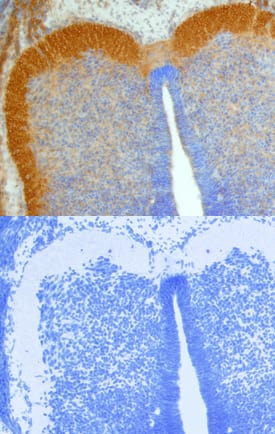
![Immunohistochemistry Albumin Antibody (188835) [Unconjugated] - Serum](https://images.novusbio.com/images/antibody/Albumin_MAB1455_Immunohistochemistry_23317.jpg)
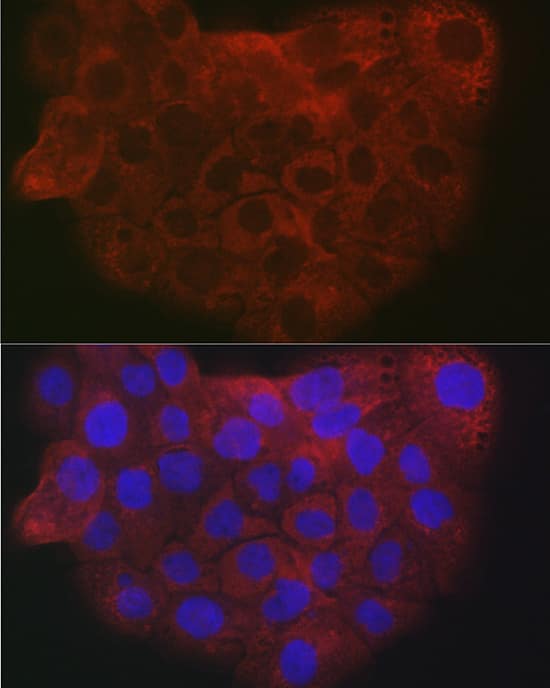
![Immunocytochemistry Albumin Antibody (188835) [Unconjugated] - Serum](https://images.novusbio.com/images/antibody/Albumin_MAB1455_Immunocytochemistry__Immunofluorescence_17777.jpg)
![Intracellular Staining by Flow Cytometry Albumin Antibody (188835) [Unconjugated] - Serum](https://images.novusbio.com/images/antibody/Albumin_MAB1455_Flow_Cytometry_15110.jpg)
The concentration calculator allows you to quickly calculate the volume, mass or concentration of your vial. Simply enter your mass, volume, or concentration values for your reagent and the calculator will determine the rest.
| Gene Symbol | BMP1 |


![PCPE-1/PCOLCE Antibody [Unconjugated]](/sites/all/modules/enterprise-tech/et_datasheets/images/novus_guarantee.png "PCPE-1/PCOLCE Antibody [Unconjugated]")

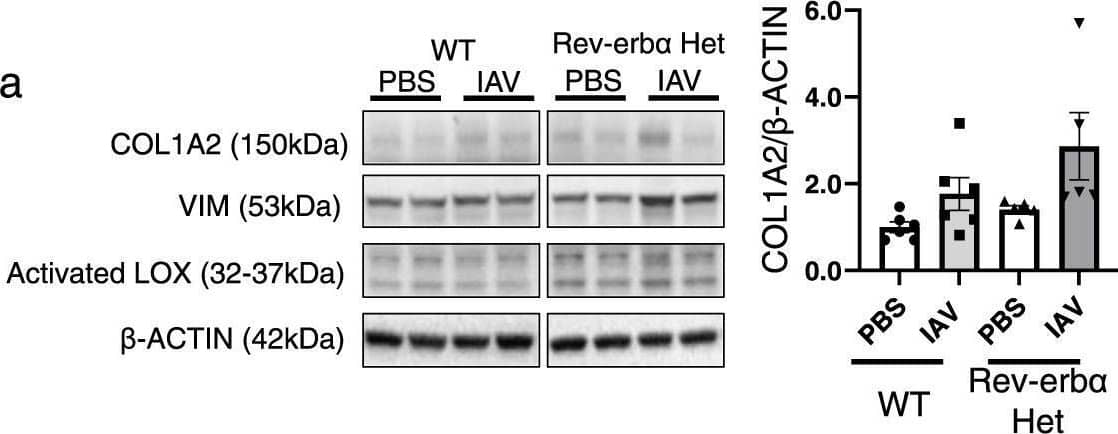

![SDS-Page BMP-4 [Unconjugated]](https://images.novusbio.com/images/protein/BMP-4_314-BP_100.jpg)
![Bioactivity BMP-4 [Unconjugated]](https://images.novusbio.com/images/314-bp_recombinant-human-bmp-4-protein-1882021123744.jpg)
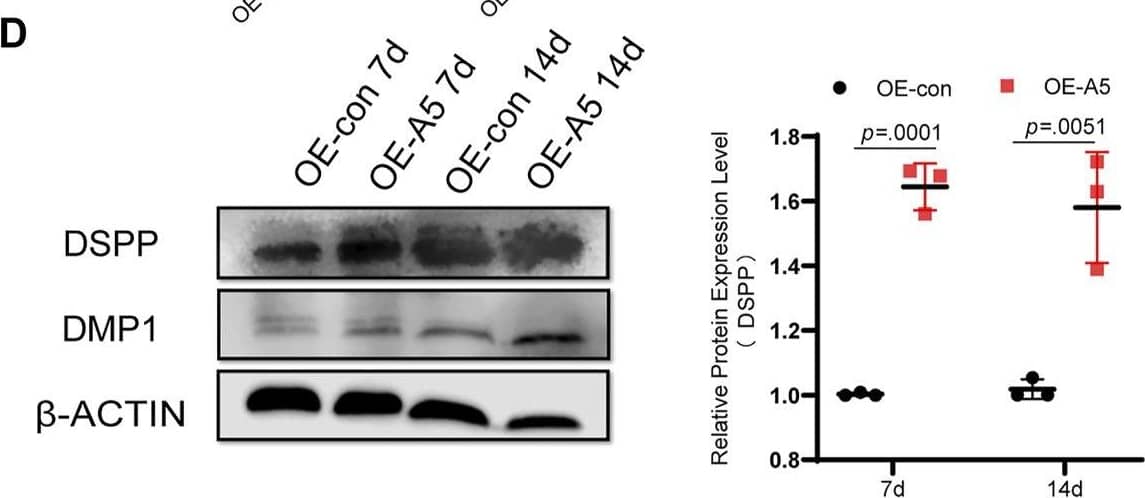
![Bioactivity BMP-2 [Unconjugated]](https://images.novusbio.com/images/protein/355-bm_recombinant-human-mouse-rat-bmp-2-protein-bioactivity-181120209742.jpg)
![SDS-Page TNF-alpha [Unconjugated]](https://images.novusbio.com/images/protein/TNF-alpha_210-TA_256.jpg)
![Bioactivity TNF-alpha [Unconjugated]](https://images.novusbio.com/images/protein/TNFalpha_210TA_1658.jpg)
![SEC-MALS TNF-alpha [Unconjugated]](https://images.novusbio.com/images/210-ta_recombinant-human-tnf-alpha-protein-sec-mals-35202312244..jpg)