| Reactivity | HuSpecies Glossary |
| Applications | Enzyme Activity |
| Format | Carrier-Free |
| Details of Functionality | Measured by its ability to catalyze the formation of S-D-lactoylglutathione from the hemimercaptal adduct that forms spontaneously between methylglyoxal and reduced glutathione. The specific activity is >100 nmol/min/µg, as measured under the described conditions. |
| Source | E. coli-derived human Glyoxalase I protein Ala2-Met184, with an N-terminal Met and 6-His tag |
| Accession # | |
| N-terminal Sequence | Met |
| Protein/Peptide Type | Recombinant Enzymes |
| Gene | GLO1 |
| Purity | >85%, by SDS-PAGE under reducing conditions and visualized by silver stain |
| Endotoxin Note | <1.0 EU per 1 μg of the protein by the LAL method. |
| Dilutions |
|
|
| Theoretical MW | 22 kDa. Disclaimer note: The observed molecular weight of the protein may vary from the listed predicted molecular weight due to post translational modifications, post translation cleavages, relative charges, and other experimental factors. |
|
| SDS-PAGE | 25 kDa, reducing conditions |
|
| Publications |
|
| Storage | Use a manual defrost freezer and avoid repeated freeze-thaw cycles.
|
|||
| Buffer | Lyophilized from a 0.2 μm filtered solution in Tris-HCl and DTT. |
|||
| Purity | >85%, by SDS-PAGE under reducing conditions and visualized by silver stain |
|||
| Reconstitution Instructions | Reconstitute at 0.5 mg/mL in sterile, deionized water. |
|||
| Assay Procedure |
*Adjusted for Substrate Blank **Derived using calibration standard S-Lactoylglutathione (Sigma, Catalog # L7140). Per Well:
|
Glyoxalase I (also lactoylglutathione lyase, methylglyoxalase, and glx I) is a 21 kDa member of the Glyoxalase I family. The enzyme is an isomerase that catalyzes the formation of S-D-lactoylglutathione from the hemimercaptal adduct that forms spontaneously between methylglyoxal and reduced GSH (1-4). The monomeric subunit for human Glyoxalase I is 184 amino acids (aa) in length. In the mature protein, the methionine at the N-terminus is removed. Human Glyoxalase I exists in three separable isoforms as homo-and hetero-dimers of two allelic subunit variants, which differ in charge (1). The isoforms are formed when residue 19 is changed from cysteine to tyrosine and residue 111 is changed from glutamine to alanine. Each subunit binds one Zn2+ atom (1, 3-4). The protein is made up of multiple beta strands and alpha helical regions. Human Glyoxalase I shares 91% and 90% aa sequence identity with rat and mouse Glyoxalase I, respectively. The enzyme is ubiquitously expressed and is also present in many tumor cell lines, in which its concentration is often upregulated (1). The biological role of the enzyme remains unclear, but the glyoxalase system detoxifies the precursors of advanced glycation end products, which take part in the pathogenesis of vascular, diabetic, and uremic complications (5).
![Western Blot Glyoxalase II/HAGH Antibody [Unconjugated]](https://images.novusbio.com/images/antibody/Glyoxalase_II_AF5944_Western_Blot_5888.jpg)


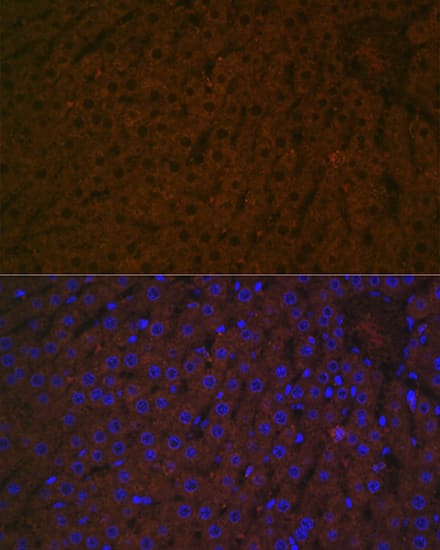

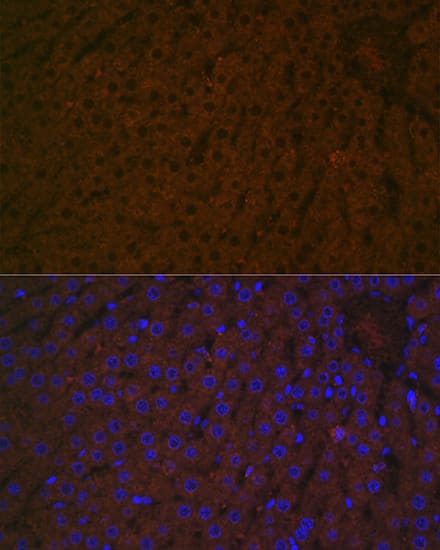



The concentration calculator allows you to quickly calculate the volume, mass or concentration of your vial. Simply enter your mass, volume, or concentration values for your reagent and the calculator will determine the rest.


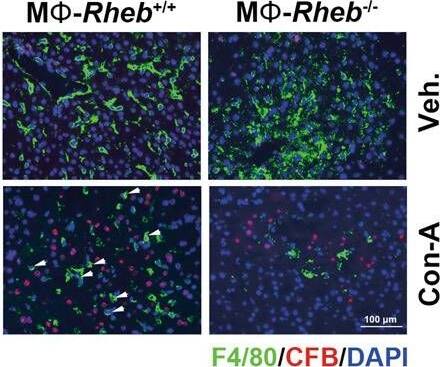


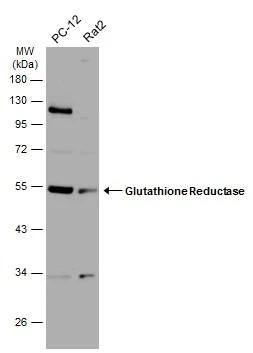
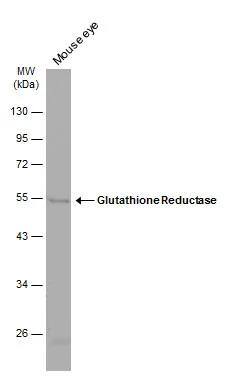

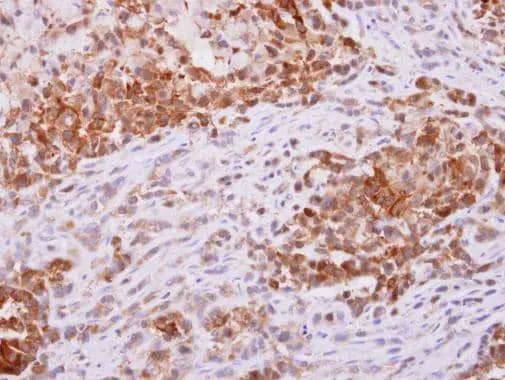

![Immunocytochemistry Catalase Antibody [Unconjugated]](https://images.novusbio.com/images/antibody/Catalase_AF3398_Immunocytochemistry__Immunofluorescence_19451.jpg)
![Simple Western Catalase Antibody [Unconjugated]](https://images.novusbio.com/images/antibody/Catalase_AF3398_Simple_Western_16990.jpg)
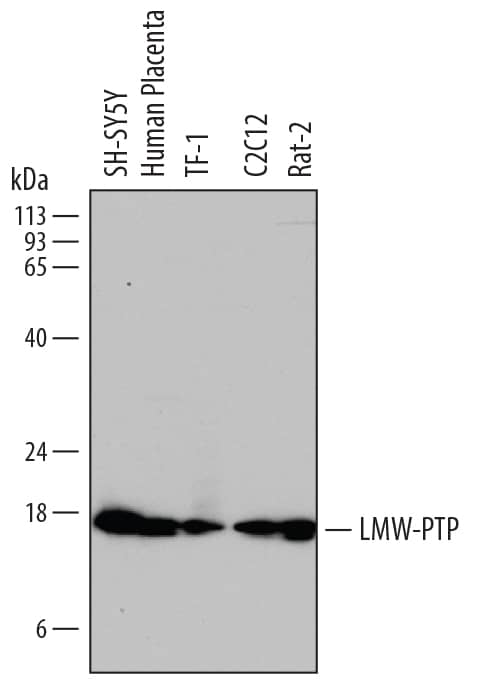


![Simple Western: Glyoxalase I Antibody (Glo1a) [NBP1-19015] - Simple Western lane view shows a specific band for GLO1 in 0.5 mg/ml of HeLa lysate. This experiment was performed under reducing conditions using the 12-230kDa separation system. * Non-specific interaction with the 230 kDa Simple Western standard may be seen with this antibody.](https://images.novusbio.com/images/Glyoxalase-I-Antibody-Glo1a-Simple-Western-NBP1-19015-img0006.jpg "Simple Western: Glyoxalase I Antibody (Glo1a) [NBP1-19015] - Simple Western lane view shows a specific band for GLO1 in 0.5 mg/ml of HeLa lysate. This experiment was performed under reducing conditions using the 12-230kDa separation system. * Non-specific interaction with the 230 kDa Simple Western standard may be seen with this antibody.")