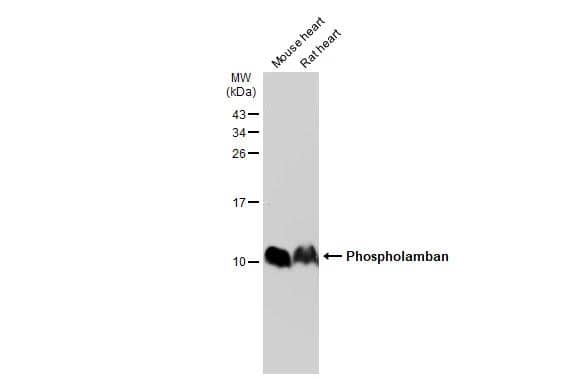
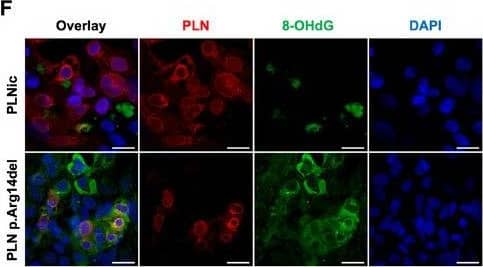
| Applications | WB, IHC |
| Clonality | Polyclonal |
| Host | Sheep |
| Conjugate | Alexa Fluor 594 |
| Immunogen | E. coli-derived recombinant human MyBPC3 Arg1001-Lys1103 Accession # Q14896 |
| Specificity | Detects human MyBPC3 in direct ELISAs and Western blots. In direct ELISAs, approximately 25% cross-reactivity with recombinant mouse MyBPC3 is observed. |
| Isotype | IgG |
| Clonality | Polyclonal |
| Host | Sheep |
| Purity Statement | Antigen Affinity-purified |
| Innovator's Reward | Test in a species/application not listed above to receive a full credit towards a future purchase. |
| Storage | Protect from light. Do not freeze. 12 months from date of receipt, 2 to 8 °C as supplied |
| Buffer | Supplied 0.2 mg/mL in a saline solution containing BSA and Sodium Azide. |
MyBPC3 (MYosin Binding Protein C3; also cardiac MyBP-C, and C-protein, cardiac muscle isoform) is a 150-165 kDa member of the MyBP family, immunoglobulin superfamily of molecules. MyBP-C is expressed in striated muscle and exists in three isoforms; C1, C2, and C3. C1 and C2 are associated with slow and fast skeletal muscle, and may coexist in the same myofiber. The C3 isoform is cardiac specific, and is found in the two dark C-zones that flank the M line of the sarcomere A-band. The A-band contains both actin and myosin, and MyBPC3 forms structures that cross-link the resident actin and myosin filaments. MyBPC3 is reported to interact with titin and light meromyosin with its C-terminus, and actin plus myosin heavy chain with its N-terminus. Human MyBPC3 is 1273 amino acids (aa) in length. It contains one N-terminal I-set Ig-like domain (aa 12-94), a C2-type Ig-like domain (aa 153-256) followed by a phosphorylated myosin-binding region (aa 258-352), four C2-type Ig-like domains (aa 362-770) and three FN type III repeats interspersed with two C2-type Ig-like domains (aa 771-1273). There is one potential alternative start site at Met348. Over aa 1001-1103, human MyBPC3 shares 89% aa identity with mouse MyBPC3.


![MyBPC3 Antibody [Alexa Fluor® 594]](/sites/all/modules/enterprise-tech/et_datasheets/images/novus_guarantee.png "MyBPC3 Antibody [Alexa Fluor® 594]")
The concentration calculator allows you to quickly calculate the volume, mass or concentration of your vial. Simply enter your mass, volume, or concentration values for your reagent and the calculator will determine the rest.


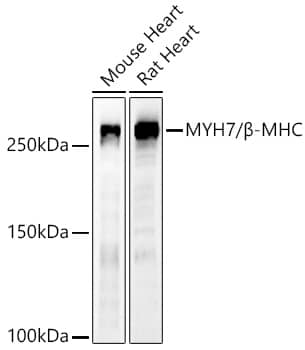

![Western Blot Myosin Heavy Chain Antibody (MF20) [Unconjugated]](https://images.novusbio.com/images/mab4470_myosin-heavy-chain-mab-clone-mf20-western-blot-121220259221219.jpg)
![Western Blot Myosin Heavy Chain Antibody (MF20) [Unconjugated]](https://images.novusbio.com/images/mab4470_myosin-heavy-chain-mab-clone-mf20-western-blot-12122025920504.jpg)
![Western Blot Myosin Heavy Chain Antibody (MF20) [Unconjugated]](https://images.novusbio.com/images/mab4470_myosin-heavy-chain-mab-clone-mf20-western-blot-12122025849812.jpg)
![Immunocytochemistry Cardiac Troponin T Antibody (200805) [Unconjugated] - (Cardiac)](https://images.novusbio.com/images/antibody/Troponin_T_MAB1874_Immunocytochemistry_15884.jpg)
![Immunohistochemistry Cardiac Troponin T Antibody (200805) [Unconjugated] - (Cardiac)](https://images.novusbio.com/images/antibody/Troponin_T_MAB1874_Immunohistochemistry_17796.jpg)


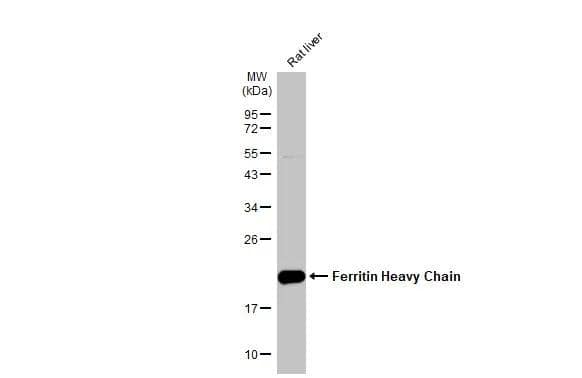

![SDS-Page TNF-alpha [Unconjugated]](https://images.novusbio.com/images/protein/TNF-alpha_210-TA_256.jpg)
![Bioactivity TNF-alpha [Unconjugated]](https://images.novusbio.com/images/protein/TNFalpha_210TA_1658.jpg)
![SEC-MALS TNF-alpha [Unconjugated]](https://images.novusbio.com/images/210-ta_recombinant-human-tnf-alpha-protein-sec-mals-35202312244..jpg)