| Reactivity | Hu, MuSpecies Glossary |
| Applications | WB, IHC |
| Clone | 2445D |
| Clonality | Monoclonal |
| Host | Rabbit |
| Conjugate | Alexa Fluor 532 |
| Additional Information | Recombinant Monoclonal Antibody. |
| Immunogen | S. frugiperda insect ovarian cell line Sf 21-derived recombinant human EGLN1/PHD2 Ala2-Phe426 Accession # Q9QZT9 |
| Specificity | Detects human EGLN1/PHD2 in direct ELISAs. Detects human and mouse EGLN1/PHD2 in Western blots. |
| Source | N/A |
| Isotype | IgG |
| Clonality | Monoclonal |
| Host | Rabbit |
| Purity Statement | Protein A or G purified from cell culture supernatant |
| Innovator's Reward | Test in a species/application not listed above to receive a full credit towards a future purchase. |
| Storage | Protect from light. Do not freeze. 12 months from date of receipt, 2 to 8 °C as supplied |
| Buffer | Supplied 0.2 mg/mL in a saline solution containing BSA and Sodium Azide. |
PHD2 (Prolyl Hydroxylase Domain-containing protein 2; also HPH2, EGLN1 and HIF-PH2) is a 45-47 kDa dioxygenase member of the PH family of enzymes. It is ubiquitously expressed, and serves to regulate the availability of the oxygen-sensitive HIF transcription factor. Active HIF1 alpha is a heterodimer of alpha - and beta -subunits and when intact, promotes VEGF and EPO production. The beta -subunit is constitutively expressed, while alpha -subunit levels are regulated by intracellular oxygen concentration. At normoxic levels, the alpha -subunit is hydroxylated on Pro by one of three PHDs, inducing its ubiquitination/degradation. The hydroxylation event requires oxygen, and thus PH activity (particularly PHD2) is a measure of a cell's oxygen concentration. Human PHD2 is 426 amino acids (aa) in length. It contains an NES (aa 6-20), a Zn-finger region (aa 21-58), and a catalytic domain (aa 291-392). There are five nitrosylated cysteines plus one acetylated alanine. Two isoform variants are known, one that shows a deletion of aa 338-359, and another that contains a 17 aa substitution for aa 58-175. Over aa 157-426, human PHD2 shares 93% aa sequence identity with mouse PHD2.







Secondary Antibodies |
Isotype Controls |
The concentration calculator allows you to quickly calculate the volume, mass or concentration of your vial. Simply enter your mass, volume, or concentration values for your reagent and the calculator will determine the rest.
| Uniprot |
|




![N/A VEGF [HRP]](https://images.novusbio.com/images/elisa/VEGF_DVE00_ELISA_208.jpg)
![N/A VEGF [HRP]](https://images.novusbio.com/images/elisa/DATA_VEGF_DVE00_ELISA_871.jpg)
![N/A VEGF [HRP]](https://images.novusbio.com/images/elisa/DATA_VEGF_DVE00_ELISA_872.jpg)
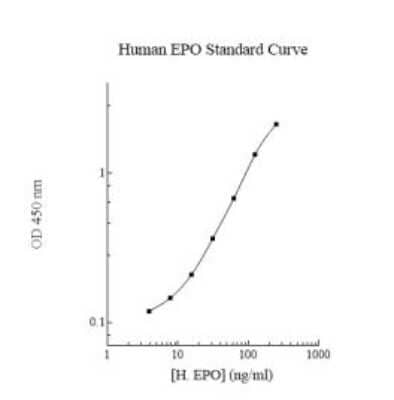
![N/A Erythropoietin/EPO [HRP]](https://images.novusbio.com/images/elisa/Erythropoietin_MEP00_ELISA_421.jpg)
![N/A Erythropoietin/EPO [HRP]](https://images.novusbio.com/images/elisa/DATA_Erythropoietin_MEP00_ELISA_970.jpg)
![N/A TIMP-1 [HRP]](https://images.novusbio.com/images/elisa/DATA_TIMP1_DTM100_ELISA_847.jpg)
![N/A TIMP-1 [HRP]](https://images.novusbio.com/images/elisa/TIMP-1_DTM100_ELISA_194.jpg)


