| Reactivity | HuSpecies Glossary |
| Applications | AC |
| Concentration | 1.0 mg/ml |
| Description | A ATG9A antibody blocking peptide. |
| Specificity | This peptide is specific for NB110-56893 only. |
| Protein/Peptide Type | Antibody Blocking Peptide |
| Gene | ATG9A |
| Dilutions |
|
|
| Application Notes | This peptide is useful as a blocking peptide for NB110-56893. For further blocking peptide related protocol, click here. |
|
| Publications |
|
| Storage | Store at -80C. Avoid freeze-thaw cycles. |
| Buffer | Peptide dissolved in dH2O. Contains no BSA. |
| Preservative | No Preservative |
| Concentration | 1.0 mg/ml |



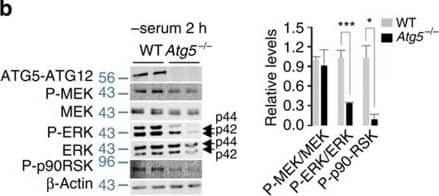
![Western Blot FAK [p Tyr397] Antibody](https://images.novusbio.com/images/nbp3-12897_rabbit-fak-p-tyr-397-pab-western-blot-2611202518381522.jpg)
![Western Blot FAK [p Tyr397] Antibody](https://images.novusbio.com/images/FAK-[p-Tyr397]-Antibody-Western-Blot-NBP3-12897-img0006.jpg)
![Western Blot FAK [p Tyr397] Antibody](https://images.novusbio.com/images/nbp3-12897_rabbit-fak-p-tyr-397-pab-western-blot-261120251843458.jpg)


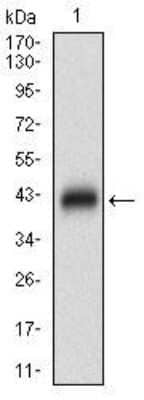
![Immunohistochemistry ATG7 Antibody (683906) [Unconjugated]](https://images.novusbio.com/images/antibody/ATG7_MAB6608_Immunohistochemistry_10631.jpg)
![Simple Western ATG7 Antibody (683906) [Unconjugated]](https://images.novusbio.com/images/antibody/ATG7_MAB6608_Simple_Western_16409.jpg)




| Publication using NB110-56893PEP | Applications | Species |
|---|---|---|
| Yefimova M G, Buschiazzo A et al. Autophagy is increased in cryptorchid testis resulting in abnormal spermatozoa. Asian J Androl 2019-04-24 [PMID: 31031333] (Block/Neutralize) | Block/Neutralize |
Research Areas for ATG9A Peptide (NB110-56893PEP)Find related products by research area.
|
|
Liver ASK1 activates autophagy to protect against hepatic fat accumulation, non-alcoholic steatohepatitis and fibrosis By Jamshed Arslan, Pharm. D., PhD. The most common chronic liver disorder worldwide is non-alcoholic fatty liver disease (NAFLD). This obesity-linked disorder can manifest as hepatic fat accumulation (steatosis) wit... Read full blog post. |
|
Mechanisms of Neurodegeneration: Protein aggregation and failure of autophagy By Michalina Hanzel, PhDIn a series of three blog posts I will briefly explore the major cellular mechanisms responsible for many neurodegenerative disorders. The first, and perhaps the most apparent, is the accumulat... Read full blog post. |
|
Animal Models to Study Autophagy By Christina Towers, PhD What is autophagy?Autophagy is the catabolic process that degrades cytoplasmic material via the lysosome. The process of macroautophagy was originally characterized in yeast, where the... Read full blog post. |
|
Atg9b - a marker for autophagosome induction and assembly Atg9 is the only essential transmembrane protein involved in cellular autophagy. Autophagy regulates cellular homeostasis by allowing the turnover and recycling of misfolded proteins and damaged organelles. Formation of the double-membrane isolatio... Read full blog post. |
|
ATG9A - early marker autophagosome assembly ATG9A is the only essential integral membrane protein involved in autophagy. ATG9A contains six transmembrane domains and initiates the assembly of autophagosomes. The autophagosome is a double-membrane structure that engulfs and eventually degrade... Read full blog post. |
The concentration calculator allows you to quickly calculate the volume, mass or concentration of your vial. Simply enter your mass, volume, or concentration values for your reagent and the calculator will determine the rest.
| Gene Symbol | ATG9A |


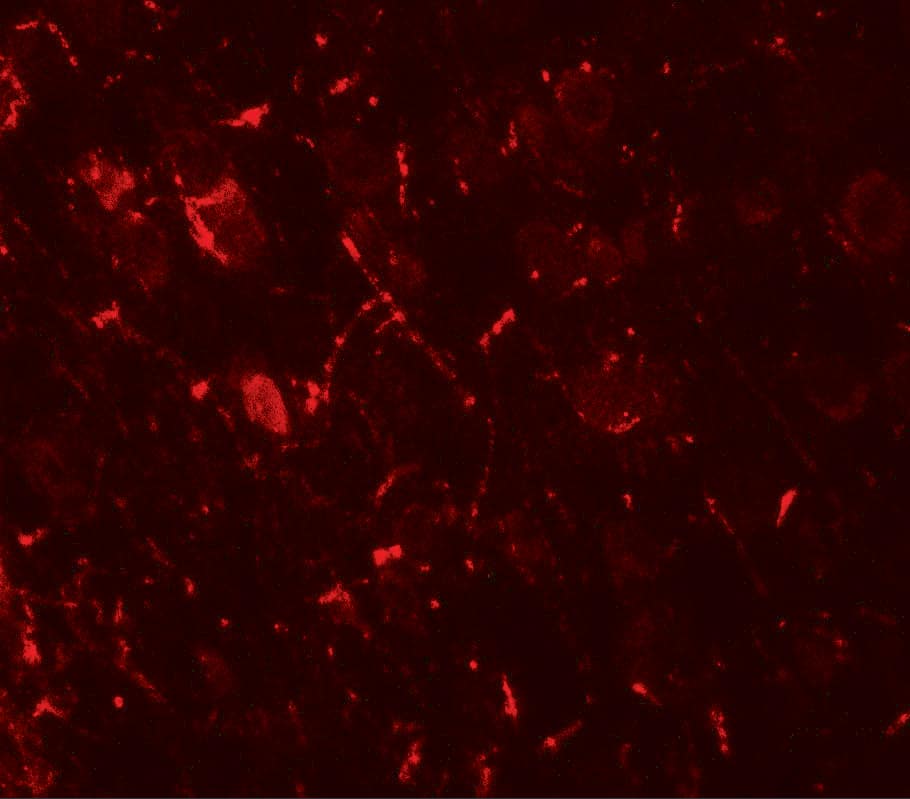


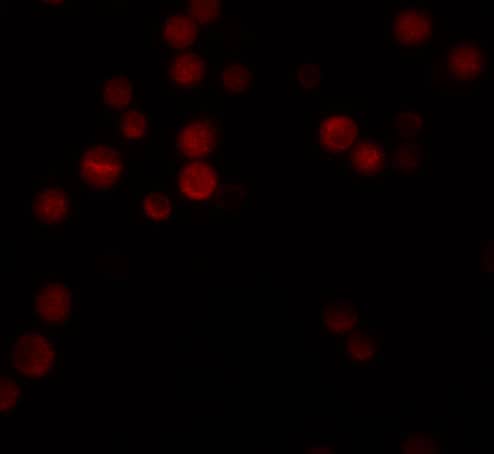
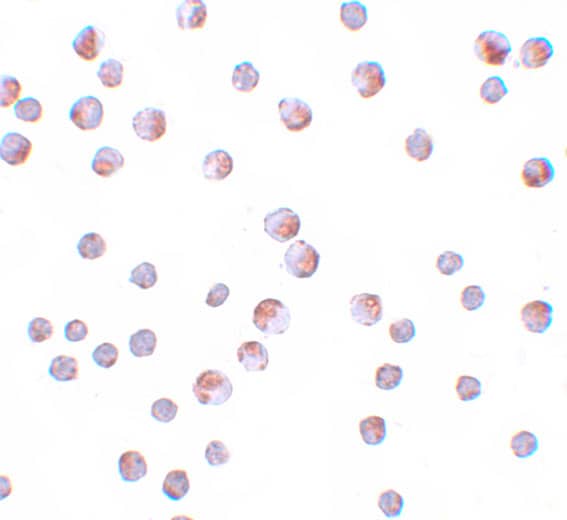


![Immunohistochemistry p63/TP73L Antibody [Unconjugated]](https://images.novusbio.com/images/antibody/p63_AF1916_Immunohistochemistry_16919.jpg)
![Immunocytochemistry/ Immunofluorescence p63/TP73L Antibody [Unconjugated]](https://images.novusbio.com/images/antibody/af1916_human-p63-tp73l-affinity-purified-polyclonal-ab-2362025103050.jpg)
![Western Blot p63/TP73L Antibody [Unconjugated]](https://images.novusbio.com/images/antibody/af1916_human-p63-tp73l-affinity-purified-polyclonal-ab-western-blot-41202413135..jpg)


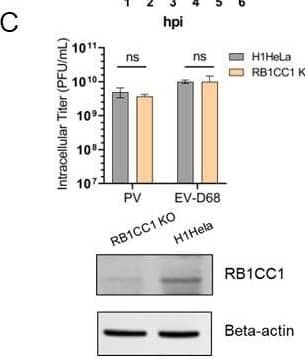

![Western Blot: ATG9A Antibody [NB110-56893] - Detection of ATG9A protein in HEK293 lysates using NB110-56893. (1) siRNA ATG9A knockdown and (2) wildtype ATG9A.](https://images.novusbio.com/images/ATG9A-Antibody-Western-Blot-NB110-56893-img0006.jpg "Western Blot: ATG9A Antibody [NB110-56893] - Detection of ATG9A protein in HEK293 lysates using NB110-56893. (1) siRNA ATG9A knockdown and (2) wildtype ATG9A.")