| Reactivity | Hu, MuSpecies Glossary |
| Applications | WB, IHC, ICC/IF |
| Clonality | Polyclonal |
| Host | Goat |
| Conjugate | Alexa Fluor 405 |
| Immunogen | Mouse myeloma cell line NS0-derived recombinant mouse Plexin A1 Ser28-Pro1242 Accession # P70206 |
| Specificity | Detects mouse Plexin A1 in direct ELISAs and Western blots. In direct ELISAs, less than 5% cross-reactivity with recombinant mouse Plexin A2 is observed. |
| Isotype | IgG |
| Clonality | Polyclonal |
| Host | Goat |
| Purity Statement | Antigen Affinity-purified |
| Innovator's Reward | Test in a species/application not listed above to receive a full credit towards a future purchase. |
| Storage | Protect from light. Do not freeze. 12 months from date of receipt, 2 to 8 °C as supplied |
| Buffer | Supplied 0.2 mg/mL in a saline solution containing BSA and Sodium Azide. |
Plexin A1 (formerly Plexin 1) is a 200 kDa type I transmembrane protein that is a member of the Plexin family of Semaphorin signal transducers (1). Plexin signaling induces cytoskeletal remodeling, which mediates cell migration and axon repulsion (2). The mouse Plexin A1 cDNA encodes 1894 amino acids (aa) including a 27 aa signal sequence, a 1215 aa extracellular domain (ECD) with one Sema domain, a spacer, and four tandem IPT/TIG domains, a 21 aa transmembrane segment, and a 631 aa cytoplasmic domain (1). Within the ECD, human Plexin A1 shares 95%, 95%, 92%, 80% and 79% aa sequence identity with mouse, rat, bovine, chicken and Xenopus Plexin A1, respectively. The four mouse Plexin A molecules share 59‑67% aa identity with each other. Plexin A1 binds Class 3 (secreted) Semaphorins indirectly via Neuropilin (Npn)-1 and Npn-2, and binds transmembrane Semaphorin 6D directly (3‑5). Sema3A engagement of Plexin A1 and Npn-1 guides proprioceptive and sensory neurons during development, while Sema3B engagement guides floorplate neurons (5‑8). In contrast, T cell Sema6D engagement of dendritic cell Plexin A1 controls actin polymeration, which supports formation of immunological synapses and enhances the function of the dendritic cells (3, 4, 9). Complex formation with DAP12 allows Plexin A1 signaling through TREM family proteins (10, 11). However, the most striking effect of Plexin A1 deletion is on bone homeostasis, where Plexin A1-deficient mice show increased trabecular bone mass due to downregulated osteoclast differentiation (10). Plexin A1 and Sema6D are frequently expressed in malignant pleural mesothelioma, where they promote anchorage-independent growth through complexing with and activating VEGF R2 (12).



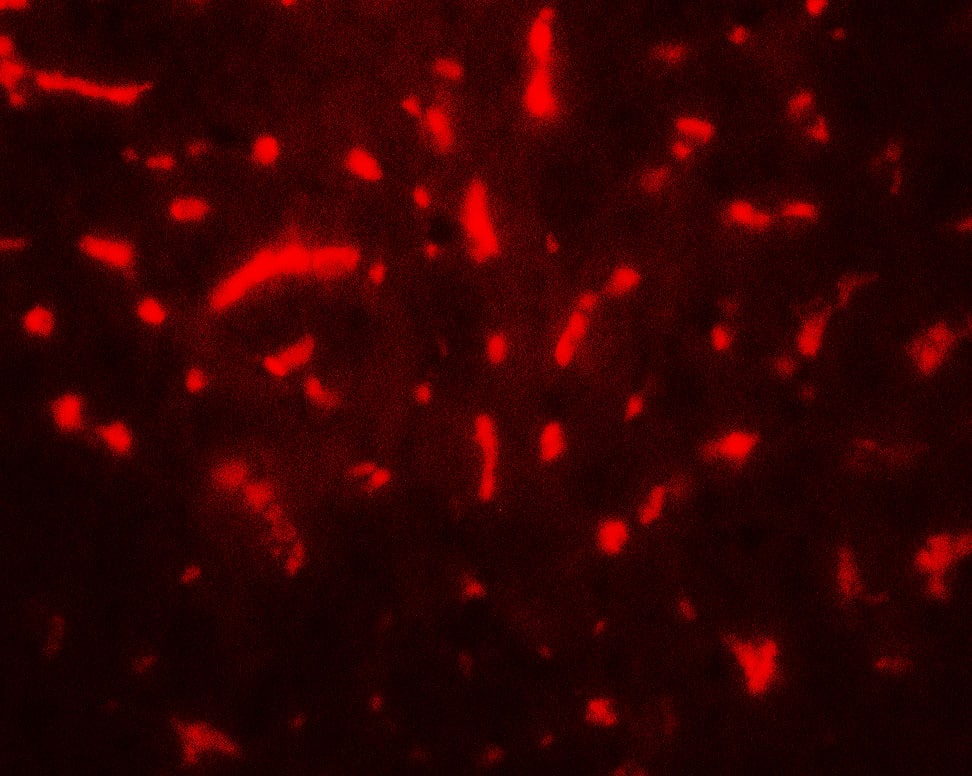


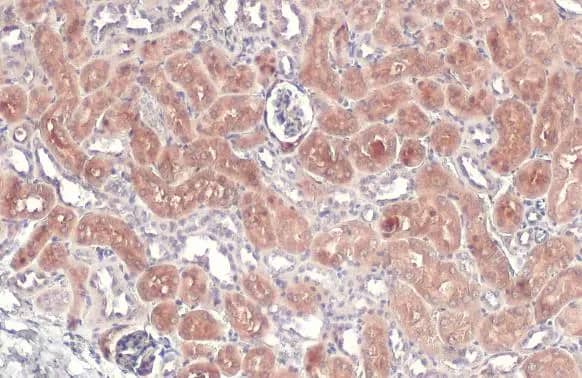
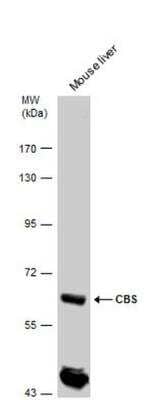


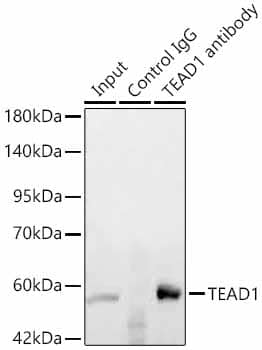
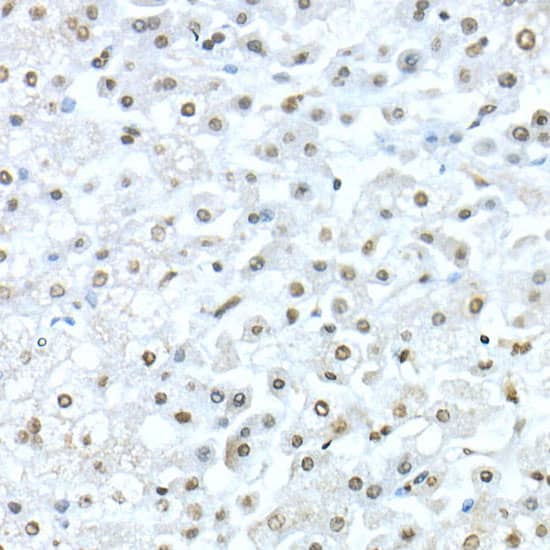


![Immunohistochemistry Neuropilin-1 Antibody [Unconjugated]](https://images.novusbio.com/images/antibody/Neuropilin-1_AF566_Immunohistochemistry_11786.jpg)
![Plexin A1 Antibody [Alexa Fluor® 405]](/sites/all/modules/enterprise-tech/et_datasheets/images/novus_guarantee.png "Plexin A1 Antibody [Alexa Fluor® 405]")
Secondary Antibodies |
Isotype Controls |
The concentration calculator allows you to quickly calculate the volume, mass or concentration of your vial. Simply enter your mass, volume, or concentration values for your reagent and the calculator will determine the rest.
| Uniprot |
|


![Immunocytochemistry Catalase Antibody [Unconjugated]](https://images.novusbio.com/images/antibody/Catalase_AF3398_Immunocytochemistry__Immunofluorescence_19451.jpg)
![Simple Western Catalase Antibody [Unconjugated]](https://images.novusbio.com/images/antibody/Catalase_AF3398_Simple_Western_16990.jpg)


![Bioactivity Semaphorin 3A [Unconjugated]](https://images.novusbio.com/images/protein/Semaphorin_3A_1250S3_1473.jpg)


