| Applications | WB, IP |
| Clone | 330404 |
| Clonality | Monoclonal |
| Host | Rat |
| Conjugate | Unconjugated |
| Concentration | LYOPH |
| Immunogen | Mouse myeloma cell line NS0-derived recombinant mouse Testican 3/SPOCK3 Val26-Ile436 Accession # Q8BKV0 |
| Specificity | Detects mouse Testican 3/SPOCK3 in direct ELISAs and Western blots. In Western blots, approximately 30% cross‑reactivity with recombinant human (rh) Testican 1 and rhTestican 3 is observed. |
| Source | N/A |
| Isotype | IgG2a |
| Clonality | Monoclonal |
| Host | Rat |
| Gene | SPOCK3 |
| Purity Statement | Protein A or G purified from hybridoma culture supernatant |
| Innovator's Reward | Test in a species/application not listed above to receive a full credit towards a future purchase. |
| Storage | Use a manual defrost freezer and avoid repeated freeze-thaw cycles.
|
| Buffer | Lyophilized from a 0.2 μm filtered solution in PBS with Trehalose. *Small pack size (SP) is supplied either lyophilized or as a 0.2 µm filtered solution in PBS. |
| Preservative | No Preservative |
| Concentration | LYOPH |
| Reconstitution Instructions | Reconstitute at 0.5 mg/mL in sterile PBS. |
Testican 3, encoded by the SPOCK3 gene, is a proteoglycan expressed in brain (1). Human and mouse Testican 3 share 90% amino acid sequence identity, indicating a conserved function (2, 3). Testican 3 contains Ca2+-binding domain and the C-terminal acidic domain with putative glycosaminoglycan attachment sites. In addition, it contains three potential inhibitory domains targeted toward three different classes of proteases, metallo, cysteine and serine proteases. The N-terminal region, which is unique to Testicans, is responsible for the inhibition of Testican 3 towards MMP-14/MT1-MMP activation of MMP-2 (1). The thyropin domain and the follistatin-like domain with a six cysteine Kazal-like motif may inhibit cysteine and serine proteases, respectively (4). A splice variant designated as N-Tes contains the N-terminal unique region, the follistatin-like domain and the Ca2+-binding domain, but lacks the C-terminal thyropin domain and the acidic domain (1).







Secondary Antibodies |
Isotype Controls |
The concentration calculator allows you to quickly calculate the volume, mass or concentration of your vial. Simply enter your mass, volume, or concentration values for your reagent and the calculator will determine the rest.


![Immunocytochemistry SPARC Antibody [Unconjugated]](https://images.novusbio.com/images/antibody/SPARC_AF942_Immunocytochemistry__Immunofluorescence_23321.jpg)
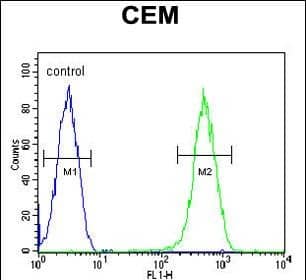
![Intracellular Staining by Flow Cytometry SPARC Antibody [Unconjugated]](https://images.novusbio.com/images/antibody/af942_mouse-sparc-affinity-purified-polyclonal-ab-intracellular-staining-by-flow-cytometry-22122020141853.jpg)
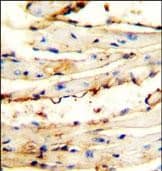
![Immunohistochemistry SPARC Antibody [Unconjugated]](https://images.novusbio.com/images/antibody/SPARC_AF942_Immunohistochemistry_10419.jpg)


![Immunohistochemistry MMP-16/MT3-MMP Antibody [Unconjugated]](https://images.novusbio.com/images/antibody/MMP16_AF1785_Immunohistochemistry_19278.jpg)
![Western Blot MMP-16/MT3-MMP Antibody [Unconjugated]](https://images.novusbio.com/images/af1785_human-mmp-16-mt3-mmp-affinity-purified-pab-western-blot-121220257492117.jpg)