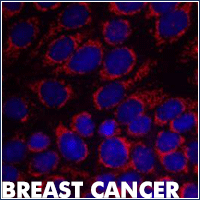
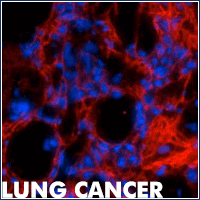
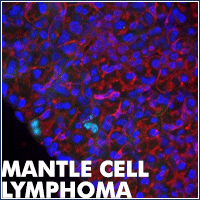
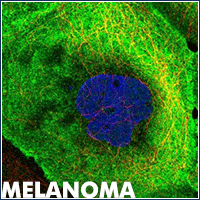
Targeting Established Cancer Genes and Their Related Compensatory TargetsIt has become apparent that many cancer tumors rely on a series of gene mutations or damages for continued growth. Traditional treatment of cancer involves targeted therapy to inhibit a particular gene. But, many cancers recur and develop resistance to a drug that is specific to a single gene. Using a combination of drugs, many cancers can better be treated with two or more drugs that target different genes and/or proteins specific to DNA mutations/damage. Combination therapy has been shown to be advantageous in that it reduces the development of drug resistance. Many cancer cells quickly mutate against a single drug and an effective cocktail of drugs can lower treatment failure by hitting well-established targets and following that with one or more compensatory targets. Novus Biologicals is focused on cancer research and has thousands of antibodies specific to gene targets. Highlighted below are 11 well-established gene targets for a variety of cancers (some overlapping between diseases) and 19 corresponding unique compensation targets which have been published. Novus Biologicals offers antibodies to all of these important targets in addition to our wide range of cancer products. |
|
|
||||||
|
|
||||||
|
|
|
data driven by
|