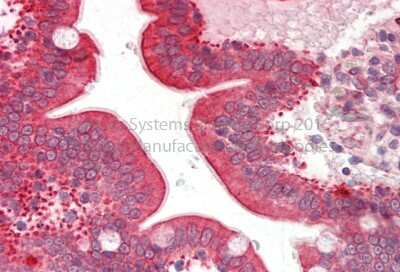
| Immunogen | Synthetic peptide, corresponding to amino acids 551-600 of Human Mdr-1. |
| Clonality | Polyclonal |
| Host | Rabbit |
| Gene | ABCB1 |
| Purity | Immunogen affinity purified |
| Innovator's Reward | Test in a species/application not listed above to receive a full credit towards a future purchase. |
| Dilutions |
|
|
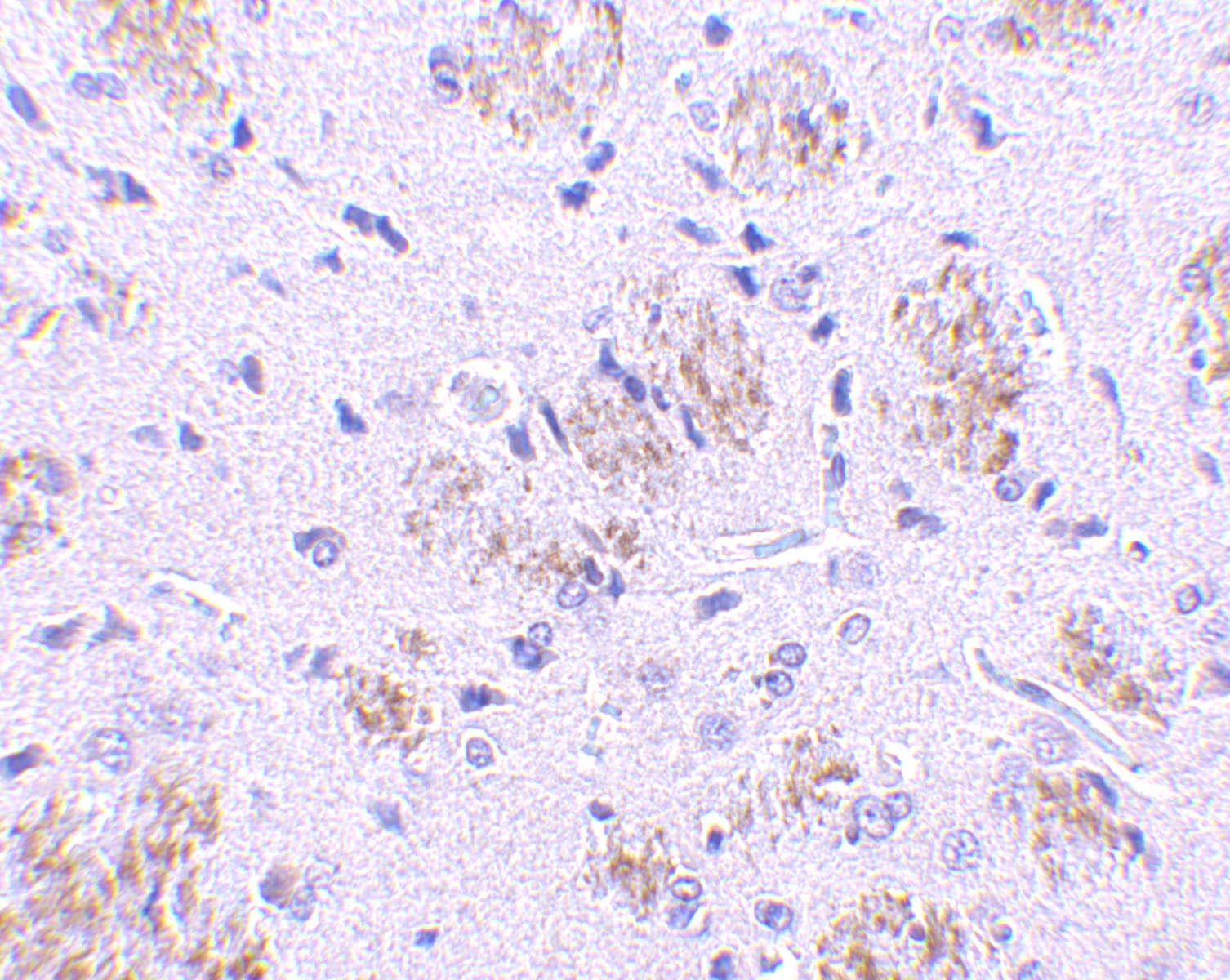
| Application Notes | Immunohistochemistry (IHC) analyzes of Mdr-1 (I583) pAb in paraffin-embedded human brain tissue. |
|
| Reviewed Applications |
|
| Storage | Store at 4C short term. Aliquot and store at -20C long term. Avoid freeze-thaw cycles. |
| Buffer | PBS (pH 7.2) |
| Preservative | 0.05% Sodium Azide |
| Concentration | 1.0 mg/ml |
| Purity | Immunogen affinity purified |


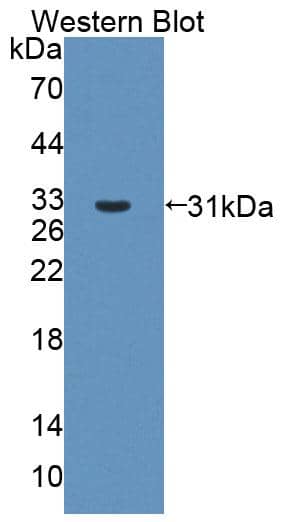
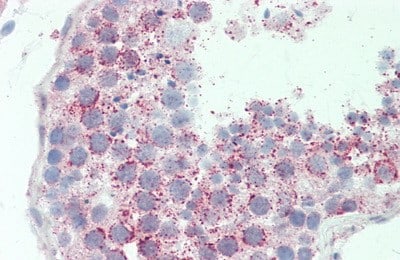
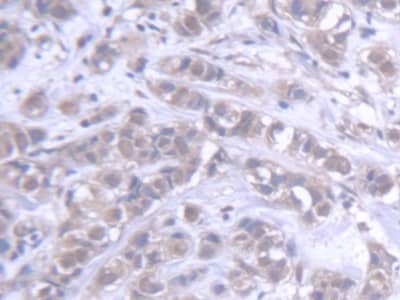






| Images | Ratings | Applications | Species | Date | Details | ||||||
|---|---|---|---|---|---|---|---|---|---|---|---|
|
reviewed by:
Verified Customer |
IHC-P | Other | 12/28/2011 |
Summary
|
Secondary Antibodies |
Isotype Controls |
Research Areas for MDR1/ABCB1 Antibody (NBP1-19787)Find related products by research area.
|
The concentration calculator allows you to quickly calculate the volume, mass or concentration of your vial. Simply enter your mass, volume, or concentration values for your reagent and the calculator will determine the rest.




![PXR/NR1I2 Antibody (H4417) [Unconjugated]](/sites/all/modules/enterprise-tech/et_datasheets/images/novus_guarantee.png "PXR/NR1I2 Antibody (H4417) [Unconjugated]")