| Immunogen | A synthetic peptide as a part of human microtubule-associated protein 1 light chain 3 gamma (MAP1LC3C, MAP1A/MAP1B LC3 C) conjugated to immunogenic carrier protein has been used as the immunogen. |
| Specificity | MAP1LC3C. |
| Clonality | Polyclonal |
| Host | Sheep |
| Gene | MAP1LC3C |
| Purity | IgG purified |
| Innovator's Reward | Test in a species/application not listed above to receive a full credit towards a future purchase. |
| Dilutions |
|
| Storage | Store at 4C short term. Aliquot and store at -20C long term. Avoid freeze-thaw cycles. |
| Buffer | PBS |
| Preservative | No Preservative |
| Concentration | LYOPH |
| Purity | IgG purified |
| Reconstitution Instructions | Please contact technical support for detailed reconstituion instruction. |


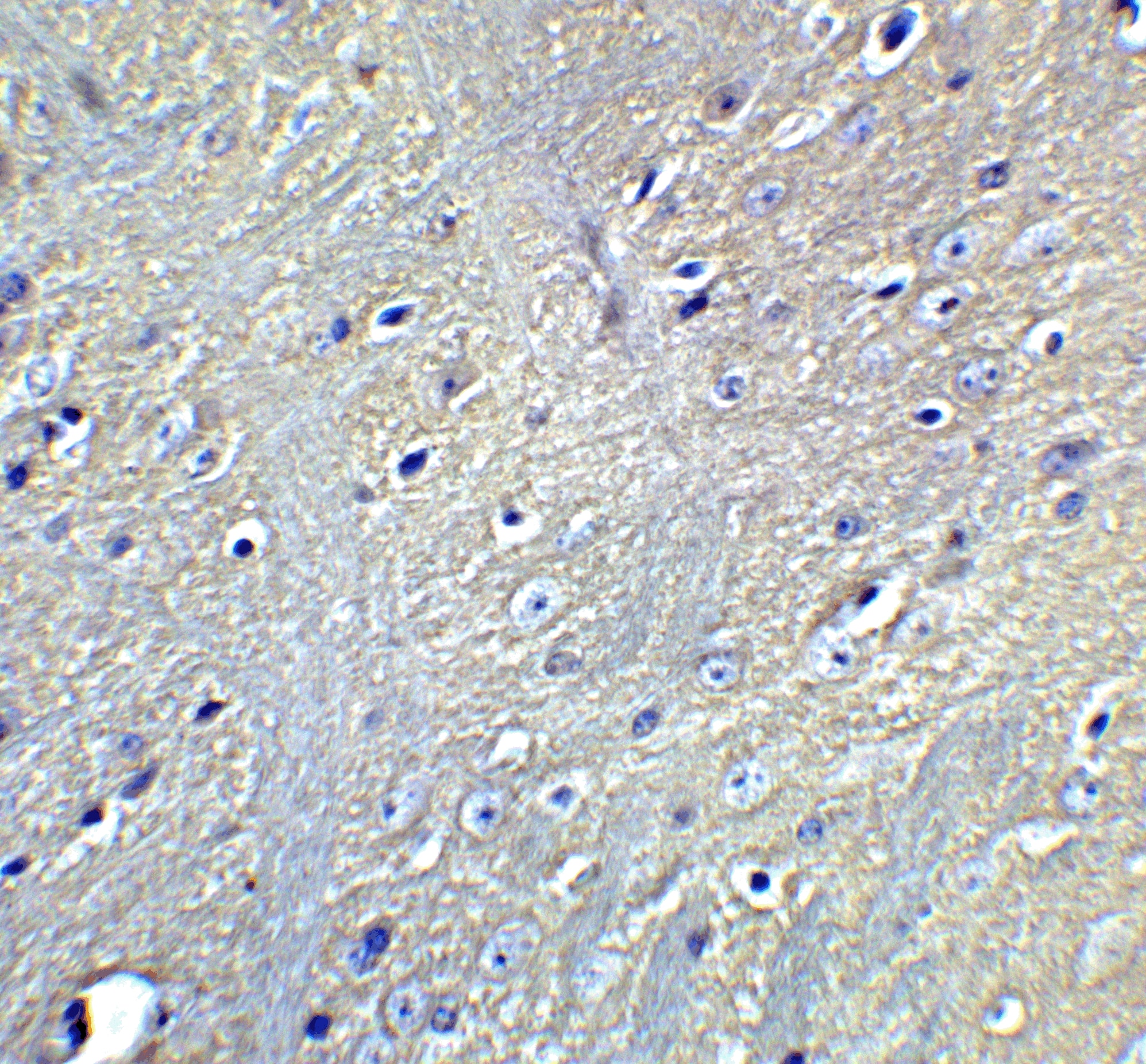
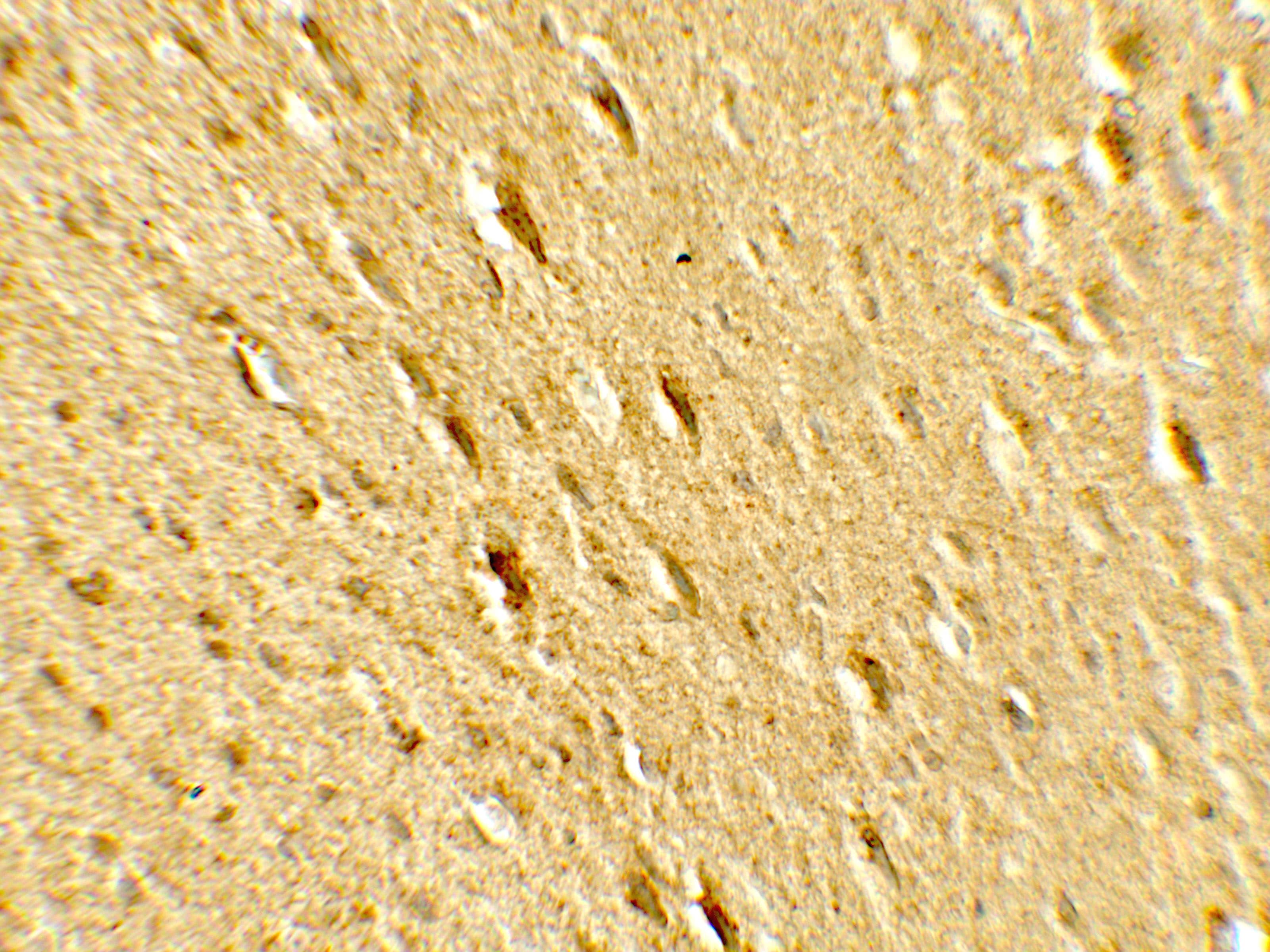


![Immunohistochemistry ATG7 Antibody (683906) [Unconjugated]](https://images.novusbio.com/images2/ATG7_MAB6608_Immunohistochemistry_10631.jpg)
![Simple Western ATG7 Antibody (683906) [Unconjugated]](https://images.novusbio.com/images2/ATG7_MAB6608_Simple_Western_16409.jpg)
![Western Blot ATG7 Antibody (683906) [Unconjugated]](https://images.novusbio.com/images2/ATG7_MAB6608_Western_Blot_11614.jpg)


![Western Blot AKT [p Ser473] Antibody [Unconjugated] - Pan Specific](https://images.novusbio.com/images2/Akt3_AF887_Western_Blot_5930.jpg)
![Simple Western AKT [p Ser473] Antibody [Unconjugated] - Pan Specific](https://images.novusbio.com/images2/16332.jpg)
![Intracellular Staining by Flow Cytometry AKT [p Ser473] Antibody [Unconjugated] - Pan Specific](https://images.novusbio.com/images2/Akt3_AF887_Flow_Cytometry_8283.jpg)


Secondary Antibodies |
Isotype Controls |
Research Areas for LC3C Antibody (NB110-74789)Find related products by research area.
|
|
Read full blog post. |
|
Why LC3B Antibodies Make Ideal Autophagosomes Membrane Markers The human form of microtubule-associated protein light chain 3 (LC3) is expressed as 3 splice variants LC3A, LC3B, and LC3C.1 LC3B is a subunit of the MAP1A and MAP1B microtubule-binding proteins and plays a central role in autophagosome membrane stru... Read full blog post. |
|
Analyzing LC3 in Western blot Microtubule-associated protein light chain 3 (LC3) is considered one of the definitive markers of autophagy, and its use is widespread in labs throughout the world. Despite its popularity, there are several considerations when employing LC3 antibodies... Read full blog post. |
|
Marking the Autophagosome: the LC3 Antibody MAP1LC3 (shortened to LC3 in our antibody catalog) is one of four mammalian homologues of autophagy-related protein 8 (Atg8). It has been identified as a light chain subunit of the microtubule-associated proteins MAP1A/MAP1B. A modified form of LC3, L... Read full blog post. |
The concentration calculator allows you to quickly calculate the volume, mass or concentration of your vial. Simply enter your mass, volume, or concentration values for your reagent and the calculator will determine the rest.
| Gene Symbol | MAP1LC3C |
| Entrez |
|
| OMIM |
|
| Uniprot |
|


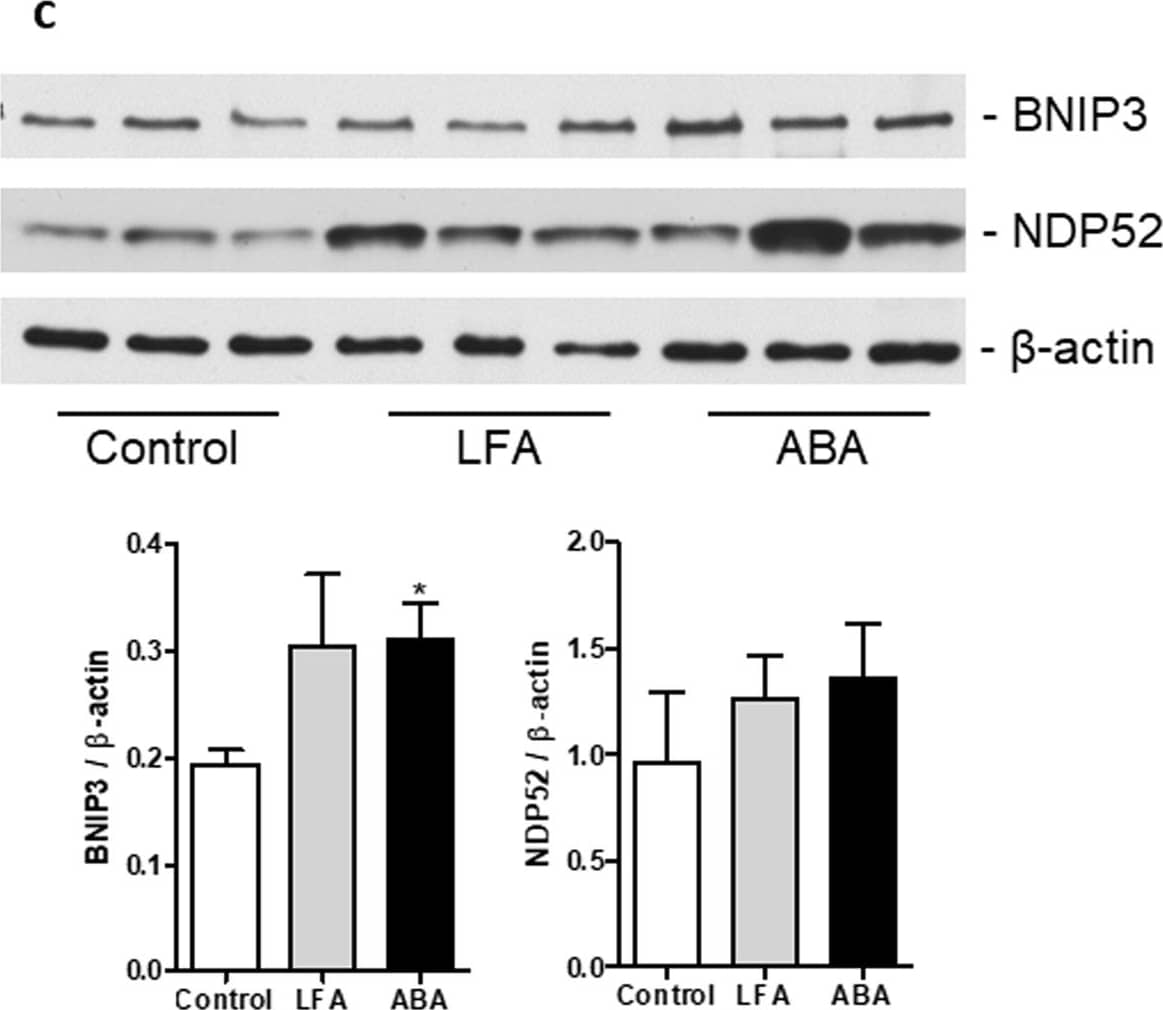
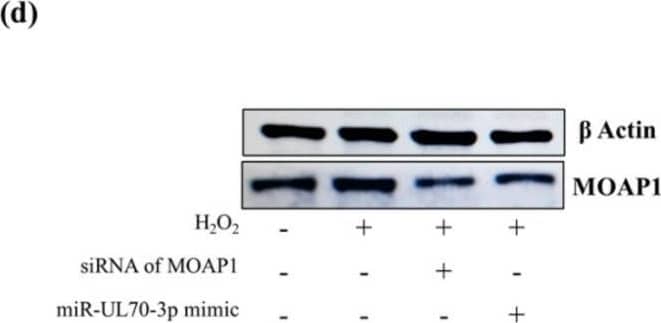


![Bioactivity PDGF-AA [Unconjugated]](https://images.novusbio.com/images/protein/221-aa_recombinant-human-pdgf-aa-protein-cf-bioactivity-1410202017288.jpg)
![Cell Culture PDGF-AA [Unconjugated]](https://images.novusbio.com/images/221-aa_recombinant-human-pdgf-aa-protein-cf-cell-culture-1052024153816..jpg)


