HDAC6 RNAi (H00010013-R01)

HDAC6 RNAi

100% Guarantee This product is fully covered under the Novus guarantee+ Policy. Click here for details.

Distributor Data...

Loading Ajax
Loading...
Loading...
 
Bulk Request
HDAC6 RNAi Summary:
Species:Hu
Gene:HDAC6
Specificity:histone deacetylase 6 (HDAC6), mRNA
Publications:Antibody has at least 4 Background References.
Note: Not all species have been tested for usefulness with this product. Only those species listed have been tested. We cannot make any guarantees about additional reactivities which may or may not occur.
View Additional HDAC6 Products
Applications:
Unit Size:20 nmol (also available: 10 nmol)
Concentration:Concentration is not relevant for this product. Please see the protocols for proper use of this product.
Notes:
This product is produced by and distributed for Abnova, a company based in Taiwan.
Packaging:
Storage:Aliquot and store at -20 °C or -80 °C. Avoid freeze-thaw cycles.
Limitations:This product is for research use only and is not approved for use in humans or in clinical diagnosis. Products are guaranteed for 6 months from date of receipt, except for peptides and proteins which are guaranteed for 3 months.
Gene Symbol: HDAC6
Entrez10013 (Human)
 
Background:

Chimera RNA interference (chimera RNAi) is process by which small interfering RNA/DNA chimera triggers the destruction of mRNA for the original gene.  The discovery work, design, and application of chimera RNAi has been pioneered by Professor Kaoru Saigo and Dr. Kumiko Ui-Tei at the University of Tokyo.  Chimera RNAi has many advantages over the conventional siRNAs.  First, it has been demonstrated to have reliable knock-down for over 10,000 human genes.  Because the human genome is composed of an intricate, genetic network, chimera RNAi's unique design has successfully obviated the off-target effects including microRNA-based influence.  Another advantage of the chimera RNAi technology is its effectiveness at low concentrations (0.5nM to 5nM); only mRNA is destroyed so genomic genes are not affected.  Finally, having both the sense and anti-sense strands consisting RNA/DNA chimera, it offers much greater compound stability for streamlining in vitro and in vivo assays and applications while minimizing interferon induction and other adverse reactions.

Jump to: Publications, Images, Protocols/Procedures, Ask a Question

Working with HDAC6

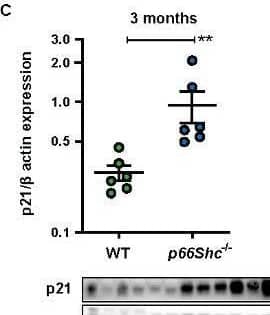
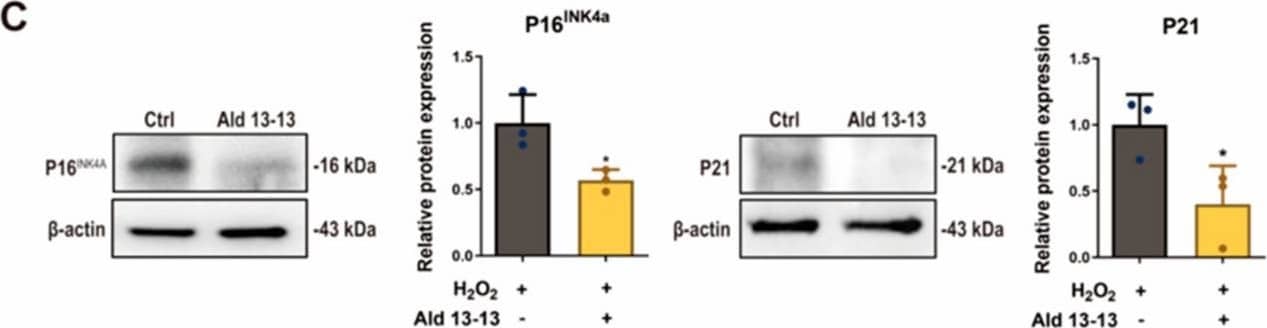
HDAC6 RNAi Images (1)
Reviews (0)  Have you used this product? Review this product to earn Novus Rewards.

Publications (4)

HDAC6 RNAi Background References:

  1. siDirect: highly effective, target-specific siRNA design software for mammalian RNA interference. Naito Y, Saigo K et al. Nucleic Acids Res. 2004 Jul 1;32 (Web Server issue):W124-9.
  2. Guidelines for the selection of highly effective siRNA sequences for mammalian chick RNA interference. Ui-Tei K, Saigo K et al. Nucleic Acids Res. 2004 Feb 9;32(3):936-48. Print 2004.

more...

Ask a Scientist

Can't find an answer to your question about HDAC6? Ask us by using live chat or by submitting your questions below:

 
Jump to: Lysates, Peptides and Proteins, Primary Antibodies

Related Products

Lysates (2)
NameCatalog#ReactivityApplicationsImagesPublicationsReviews
HDAC6 LysateH00010013-T01HuWB(2)

HDAC6 LysateNBL1-11484WB(1)

Peptides and Proteins
NameCatalog#ReactivityApplicationsImagesPublicationsReviews
HDAC6 Recombinant ProteinH00010013-P01HuELISA, WB(1)

HDAC6 Partial Recombinant ProteinH00010013-Q01HuELISA, WB(1)

Primary Antibodies (20)
NameCatalog#ReactivityApplicationsImagesPublicationsReviews
HDAC6 AntibodyNBP1-78981HuICC, IF, IHC (-), WB (-)(1)

HDAC6 AntibodyNBP1-82212HuIF, IHC-P, WB(3)

HDAC6 AntibodyNB100-91805Hu, Mu, RtELISA, IF, IHC-P, WB(2)(1)

HDAC6 AntibodyNBP1-61625Hu, MuELISA, IF, IHC, WB(3)

HDAC6 Antibody (EPR1698(2))NBP1-95761HuICC, IHC-P, IP, WB(2)

... and 15 more. See All »

Jump to: Novus Explorer, Research Areas

HDAC6 in Context


Research Areas related to HDAC6 (6):
Novus Explorer for HDAC6 gene

Try our bioinformatic tool that shows the relationships between HDAC6 and other genes, diseases, pathways and post-translational modifications.