| Details of Functionality | This protein is not active and should not be used for experiments requiring activity. |
| Protein/Peptide Type | Full length Protein |
| Gene | ACTL7A |
| Dilutions |
|
| Application Notes | This antibody is useful for ELISA, Western Blot, Blocking/Neutralizing This product may contain endotoxins and is not suitable for use with live cells. |
| Storage | Store at -80C. Avoid freeze-thaw cycles. |
| Preservative | No Preservative |



Research Areas for ACTL7A Protein (H00010881-H01)Find related products by research area.
|
The concentration calculator allows you to quickly calculate the volume, mass or concentration of your vial. Simply enter your mass, volume, or concentration values for your reagent and the calculator will determine the rest.
| Gene Symbol | ACTL7A |


![Chromatin Immunoprecipitation (ChIP) KLF4 Antibody [Unconjugated]](https://images.novusbio.com/images2/KLF4_AF3158_Chromatin_Immunoprecipitation_11234.jpg)
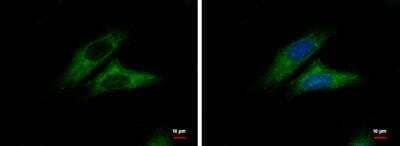
![Immunocytochemistry KLF4 Antibody [Unconjugated]](https://images.novusbio.com/images2/KLF4_AF3158_Immunocytochemistry_7262.jpg)
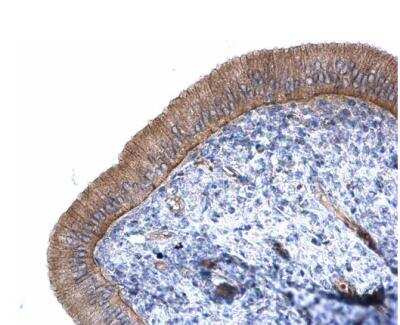
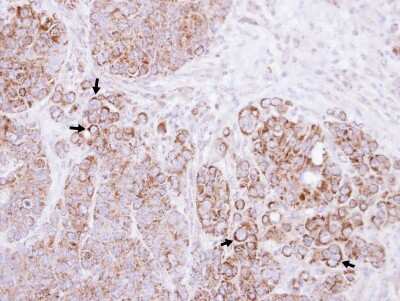
![Immunohistochemistry KLF4 Antibody [Unconjugated]](https://images.novusbio.com/images2/KLF4_AF3158_Immunohistochemistry_24135.jpg)


![Flow Cytometry Neprilysin-2/MMEL1 Antibody [Unconjugated]](https://images.novusbio.com/images/antibody/af2340_human-neprilysin-2-mmel1-affinity-purified-polyclonal-ab-flow-cytometry-172202685327.jpg)