| Immunogen | Synthetic peptide, corresponding to amino acids 221-394 of mouse BCRP/ABCG2 fused to maltose binding protein. |
| Localization | Plasma membrane, integral membrane protein |
| Marker | Stem Cell Marker |
| Specificity | BXP-9 reacts with an internal epitope of bcrp |
| Isotype | IgG1 |
| Clonality | Monoclonal |
| Host | Rat |
| Gene | ABCG2 |
| Purity | Tissue culture supernatant |
| Innovator's Reward | Test in a species/application not listed above to receive a full credit towards a future purchase. |
| Dilutions |
|
| Theoretical MW | 0.25 kDa. Disclaimer note: The observed molecular weight of the protein may vary from the listed predicted molecular weight due to post translational modifications, post translation cleavages, relative charges, and other experimental factors. |
| Storage | Store at 4C short term. Aliquot and store at -20C long term. Avoid freeze-thaw cycles. |
| Buffer | 0.7% BSA |
| Preservative | 0.1% Sodium Azide |
| Purity | Tissue culture supernatant |


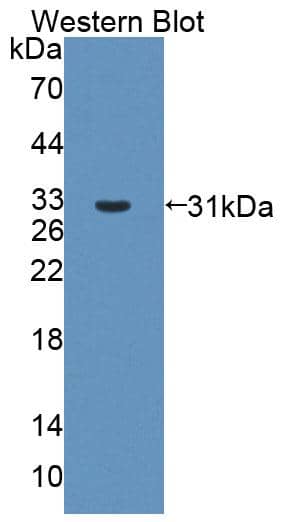
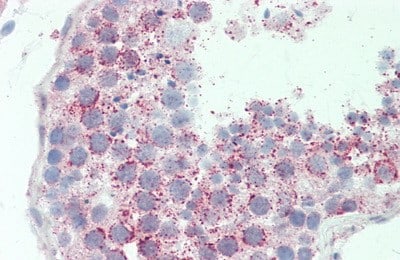
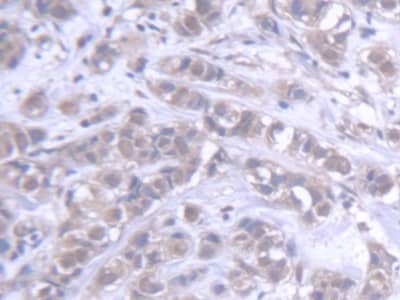


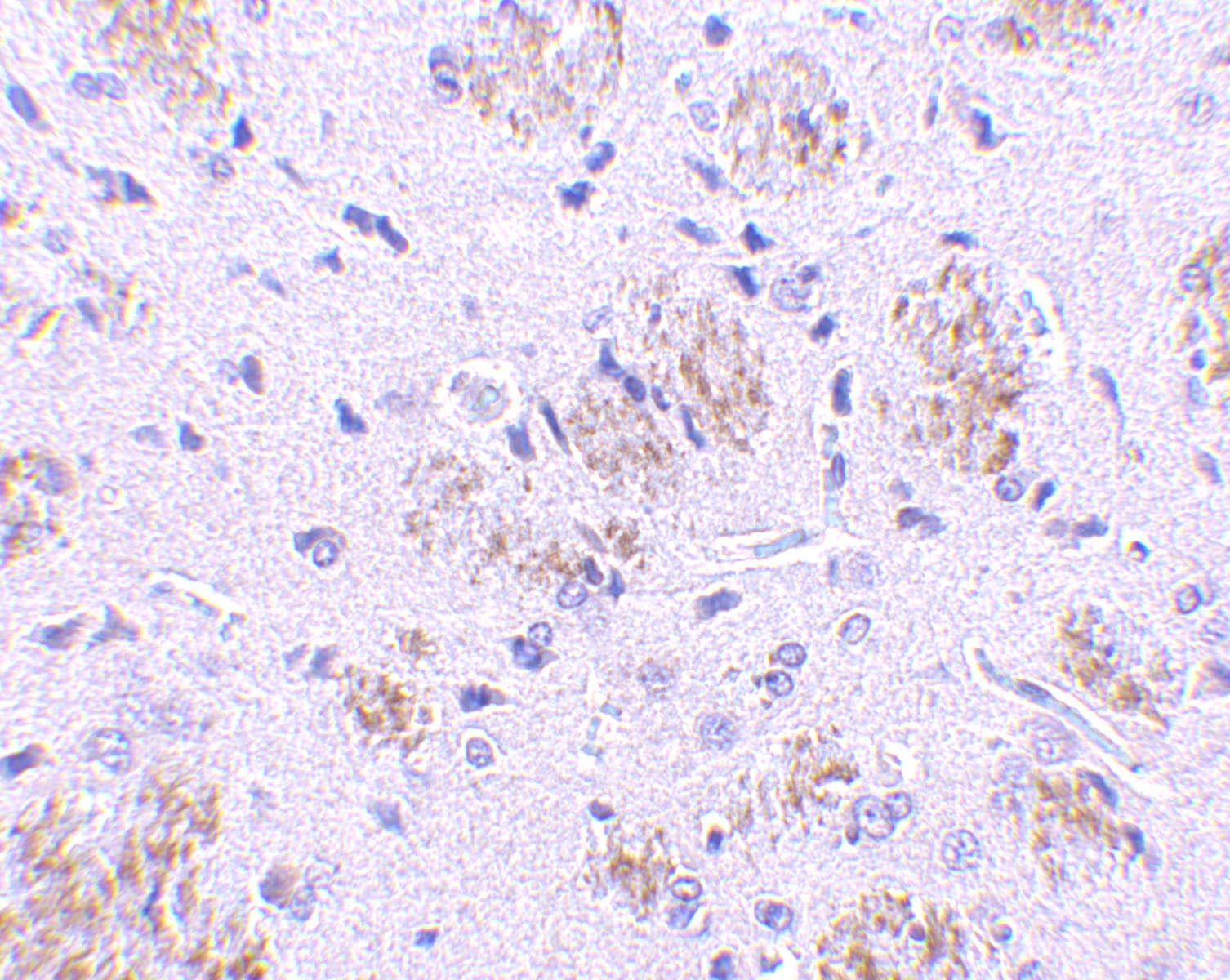


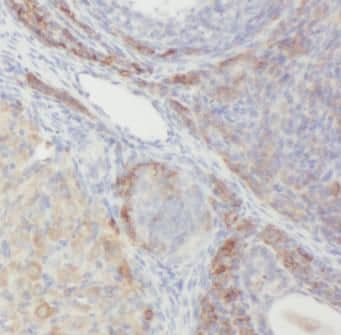
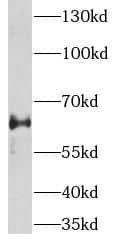
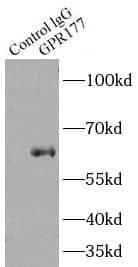


![Immunohistochemistry EGFR Antibody [Unconjugated]](https://images.novusbio.com/images2/EGF_R_AF231_Immunohistochemistry_20892.jpg)
![Immunocytochemistry EGFR Antibody [Unconjugated]](https://images.novusbio.com/images2/EGF_R_AF231_Immunocytochemistry__Immunofluorescence_21143.jpg)
![Western Blot EGFR Antibody [Unconjugated]](https://images.novusbio.com/images2/EGF_R_AF231_Western_Blot_19925.jpg)

Secondary Antibodies |
Isotype Controls |
Research Areas for ABCG2/CD338 Antibody (NB600-1079)Find related products by research area.
|
The concentration calculator allows you to quickly calculate the volume, mass or concentration of your vial. Simply enter your mass, volume, or concentration values for your reagent and the calculator will determine the rest.


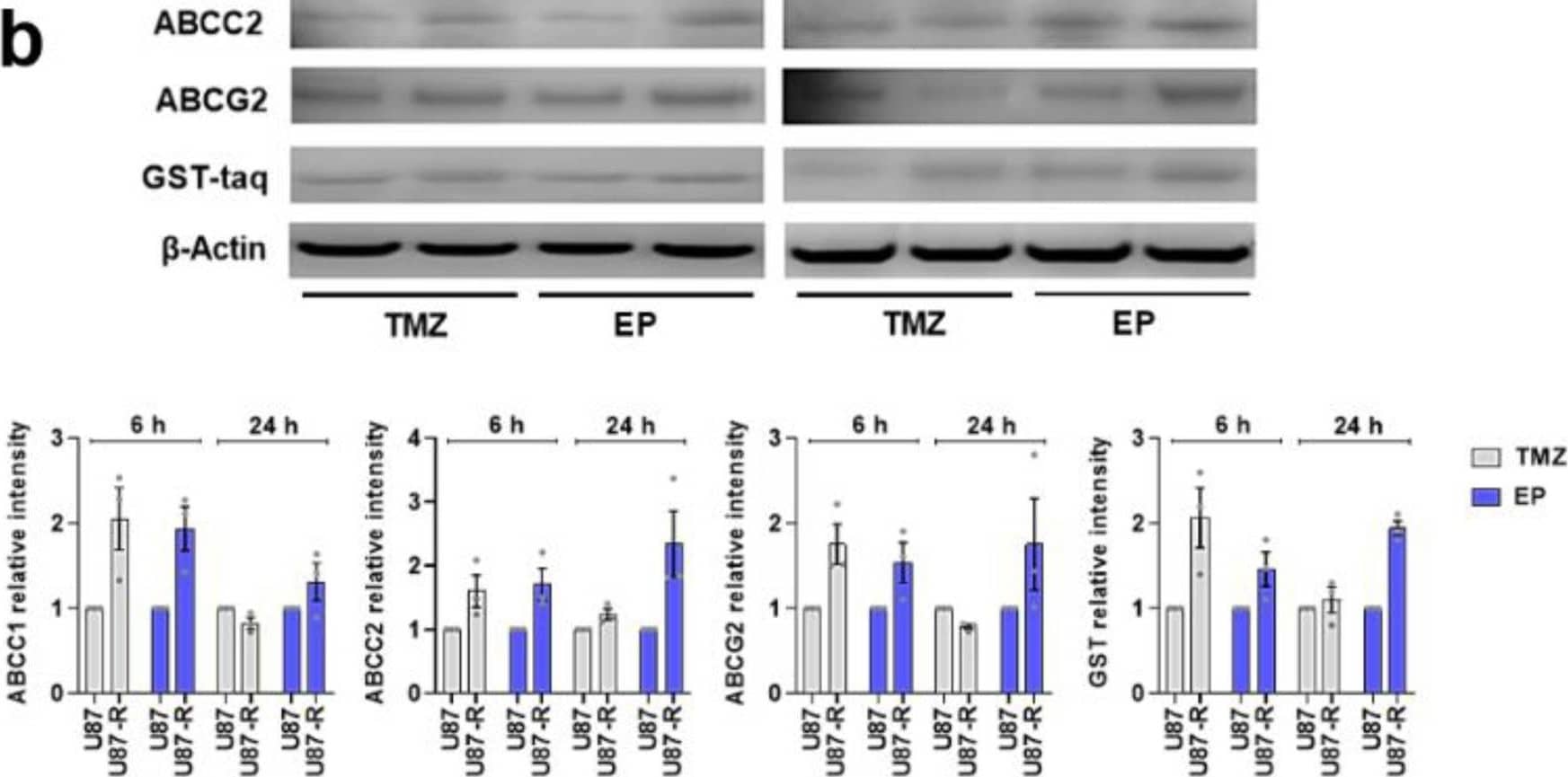


![Immunohistochemistry TFF2 Antibody (366508) [Unconjugated]](https://images.novusbio.com/images2/TFF2_MAB4077_Immunohistochemistry_21485.jpg)


